📌 Olive tree: what science really confirms about its benefits after 6,000 years of cultivation

Posted 17 February 2026 by: Admin
The Olive Tree: 6,000 Years of Medical Wisdom Finally Validated by Science
Long before modern medicine had its molecular analysis tools, Mediterranean and Middle Eastern civilizations had already understood the essentials: the olive tree heals, nourishes, and protects. Cultivated for over 6,000 years, Olea europaea is not simply a fruit tree. It constitutes one of humanity’s oldest therapeutic and dietary pillars.
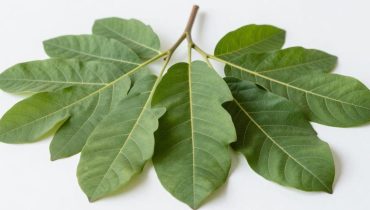
In Greek, Roman, and Levantine societies, every part of the tree served a specific purpose. The fruit provided energy and satiety. The oil was used in skincare, medicinal preparations, and daily cooking. The leaves, infused in herbal teas, were an integral part of traditional healing practices long before laboratories began to decipher their mechanisms.
It is no coincidence that these same regions are today among those with the highest life expectancy in the world. Populations following a Mediterranean diet — centered on olive oil, vegetables, fruits, and whole grains — systematically show lower rates of cardiovascular disease and chronic pathologies compared to the global average.
Science did not discover the olive tree. It simply began to understand, with precision, why entire generations trusted it. And what researchers have brought to light at the molecular level goes far beyond simple tradition.
Oleuropein, Hydroxytyrosol, Polyphenols: The Molecules That Make All the Difference
What researchers have discovered at the molecular level explains precisely why this millennial tradition keeps its promises. The olive tree concentrates four exceptional bioactive compounds, two of which stand out for their remarkable potency.
Oleuropein, abundant in the leaves, acts simultaneously on three fundamental mechanisms: it neutralizes free radicals responsible for cellular aging, moderates the body’s inflammatory response, and protects blood vessels and vital organs over the long term. Hydroxytyrosol, present in olive oil, is recognized by the scientific community as one of the most powerful natural antioxidants ever identified in a common food.
These two molecules are part of a broader spectrum of plant polyphenols, which strengthen cellular resistance to oxidative stress — that silent process which, accumulated over decades, contributes to the development of chronic diseases. Oleic acid, the main monounsaturated fatty acid in olive oil, completes this picture by supporting cardiovascular health and improving the bioavailability of other active compounds.
It is therefore not a single nutrient that makes the olive tree strong, but the synergy of these molecules acting in concert. A combination that laboratories are today trying to reproduce, without ever quite equaling what the tree offers naturally — and daily — for millennia.
Six Real Benefits, Documented and Without Exaggeration
This unique molecular synergy translates, in clinical practice, into measurable effects on several of the body’s vital systems.
On the cardiovascular level, the evidence is strongest: extra virgin olive oil reduces LDL cholesterol — known as “bad” — while promoting protective HDL, thus helping to maintain healthier blood vessels and decrease cardiac risk factors. It is precisely this mechanism that has led cardiology and nutrition experts to make the Mediterranean diet one of the most recommended dietary protocols worldwide.
Anti-inflammatory and antioxidant properties have been clinically studied: by slowing down low-grade chronic inflammation, olive tree compounds tackle one of the underlying mechanisms of the most widespread degenerative diseases.
Olive leaf extract, for its part, has documented antimicrobial properties that support the body’s natural defenses. Without replacing any treatment, it measurably strengthens immune resistance.
On the neurological level, studies suggest that the antioxidants in olive oil protect brain cells and support cognitive functions with age. Finally, integrated into a balanced diet, olive oil improves insulin sensitivity and helps stabilize blood sugar levels.
Six distinct benefits, six verifiable mechanisms of action — but also, six reasons to wonder about the best way to take advantage of them daily.
Integrating the Olive Tree Daily — And Understanding Its Real Limits
These six documented mechanisms of action only have value when translated into concrete habits and anchored in a realistic vision of what the olive tree can — and cannot — accomplish.
First essential clarification: claims that the olive tree “cures cancer” or “destroys tumors” are not based on any serious clinical data. Olive tree compounds have antioxidant and anti-inflammatory properties that can reduce certain risk factors, but they do not in any way constitute a medical treatment. Confusing them with a cure would be not only inaccurate but potentially dangerous.
In practice, benefits are obtained through regular and reasoned integration: prioritize cold-pressed extra virgin olive oil as the main fat, consume whole olives in moderation, or use standardized olive leaf teas and supplements as needed. The quality of the products chosen is not incidental — it directly conditions the concentration of bioactive compounds.
It is no coincidence that the populations of Greece, Italy, and Spain, traditional consumers of olive oil for generations, are among those showing the lowest rates of cardiovascular disease in Europe. Their longevity is not due to a single ingredient, but to a global lifestyle in which the olive tree plays a structuring role.
It is precisely this systemic dimension — the olive tree as a pillar of a sustainable balance rather than an isolated solution — that explains the growing interest shown by researchers and health practitioners worldwide.