Alkaloids: These Little-Known Chemical Compounds Of Plants
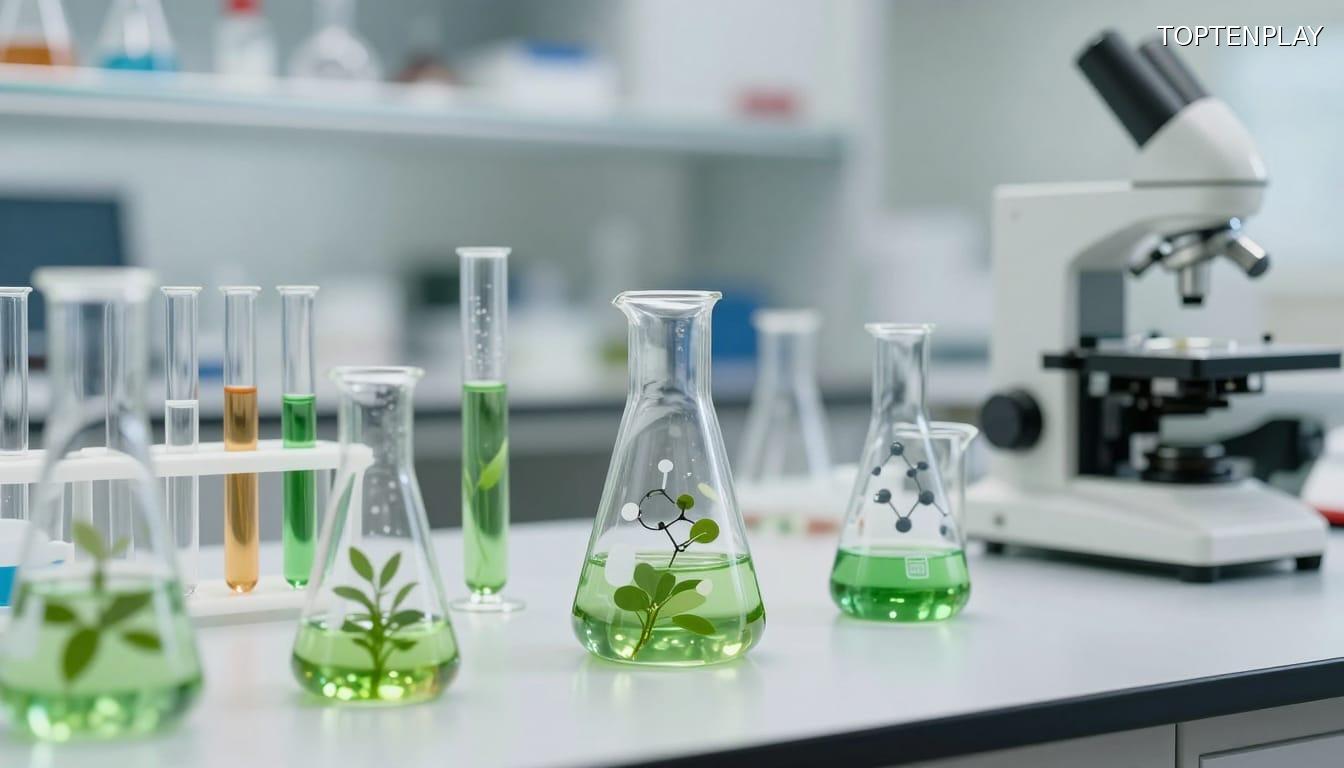
Behind the nightshades we consume daily lies a fascinating family of molecules: alkaloids. These nitrogenous chemical compounds, present mainly in the plant kingdom, exert a direct influence on the human organism as soon as they cross the digestive barrier. For a substance to be classified as an alkaloid, two non-negotiable criteria must be met: it must contain nitrogen and produce a measurable effect on the human body.
The history of modern medicine was written thanks to some of these compounds. Morphine, extracted from the poppy, and quinine, derived from cinchona, perfectly illustrate the therapeutic potential of these plant molecules. These medical applications demonstrate that alkaloids do not constitute a uniform threat, but rather a spectrum with variable effects.
This duality is particularly marked within the nightshades. While some alkaloids relieve pain or fight malaria, others present radically opposite properties. Tobacco, a notorious member of this botanical family, contains alkaloids with proven carcinogenic effects. This diversity of impacts explains why scientific understanding of these substances remains essential to distinguish therapeutic allies from potential dangers lurking on our plates.
Fruits Or Vegetables? The Surprising Classification Of Nightshades
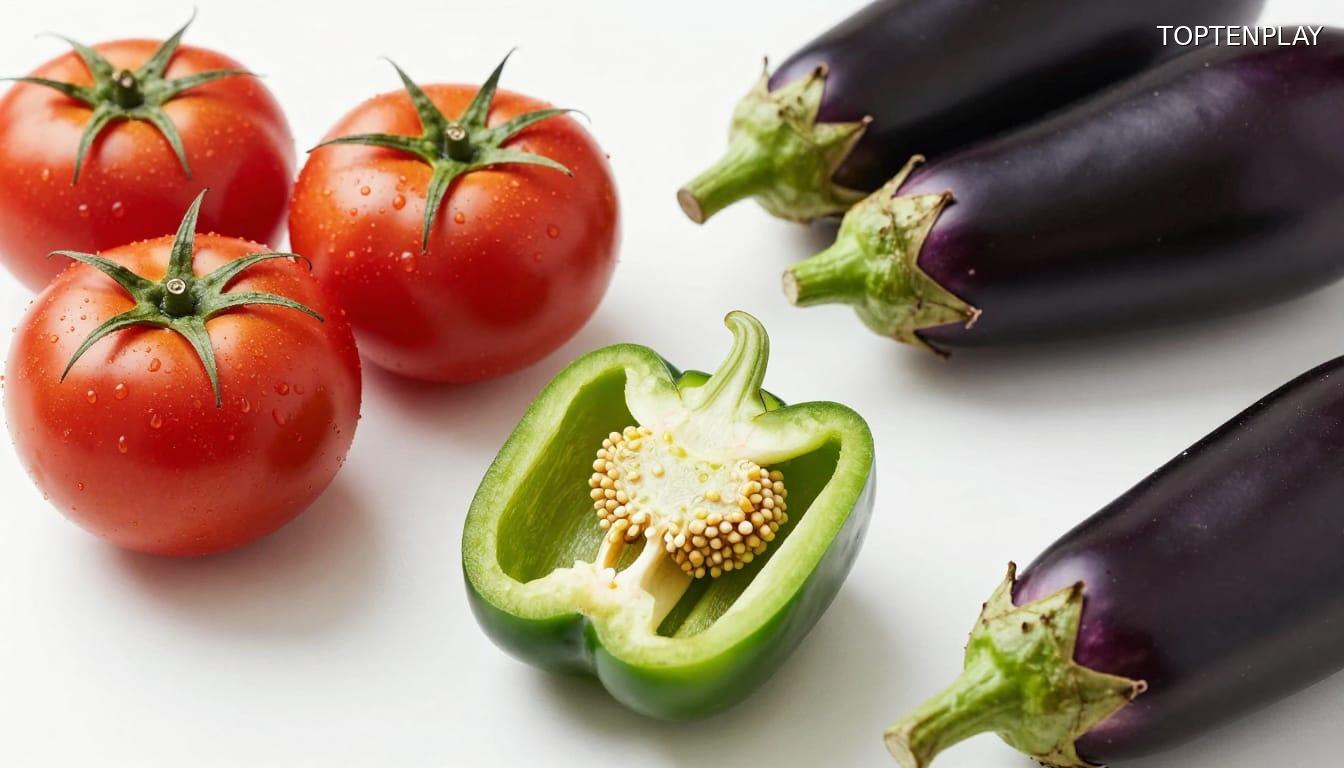
This botanical complexity extends to the very classification of our daily foods. The tomato, despite its savory flavor which earns it a place in our savory culinary preparations, botanically belongs to the fruit category. This definition is based on an implacable criterion: any fruit is the edible part of a plant that develops from a flower and contains seeds.
Peppers and eggplants follow this same scientific logic. Their systematic presence in savory dishes does nothing to change their status: they are nightshade fruits, originating from fertilized flowers. This food confusion has persisted for generations, maintained by our culinary habits that automatically associate sweetness with fruits.
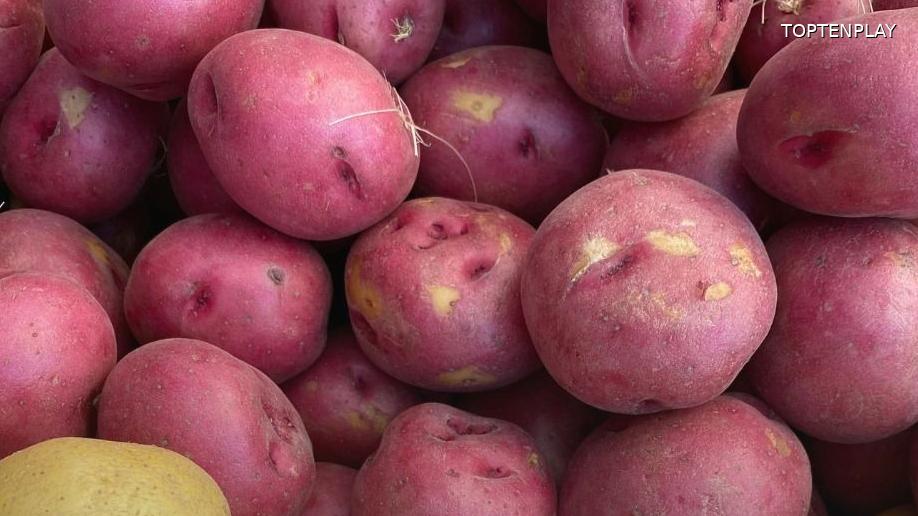
Conversely, vegetables group together all other edible parts of a plant: roots, stems, or leaves. The potato thus stands out as the only true nightshade-vegetable among the commonly consumed varieties. This underground tuber, neither originating from a flower nor bearing apparent seeds, escapes the fruit definition. This botanical distinction, far from being anecdotal, reveals the need to understand precisely what these plants contain before evaluating their real health impact.
Solanine: Natural Insecticide With Contradictory Effects
This botanical duality hides an even more troubling chemical reality. The alkaloids present in nightshades do not all produce the same effects on the body. While morphine and quinine save lives, other similar compounds directly threaten human health.
Solanine perfectly illustrates this ambivalence. This alkaloid specific to nightshades functions as a natural insecticide during the plant’s growth, effectively protecting it from parasites. This plant chemical weapon, dreadfully effective against insects, unfortunately does not distinguish between undesirable organisms and human consumers.
Tobacco embodies the dark side of this plant family. This nightshade contains alkaloids with proven carcinogenic properties, demonstrating that not all nitrogenous compounds deserve their therapeutic reputation. Nicotine, the emblematic alkaloid of tobacco, causes irreversible cellular damage when it regularly enters the body.
This radical opposition between medicinal benefits and health dangers raises a legitimate question: at what dose does the solanine present in our daily foods tip from tolerable to toxic? The answer lies in precise visual signs that many cooks still neglect today.
Green Potatoes: Alarm Signal Not To Be Ignored
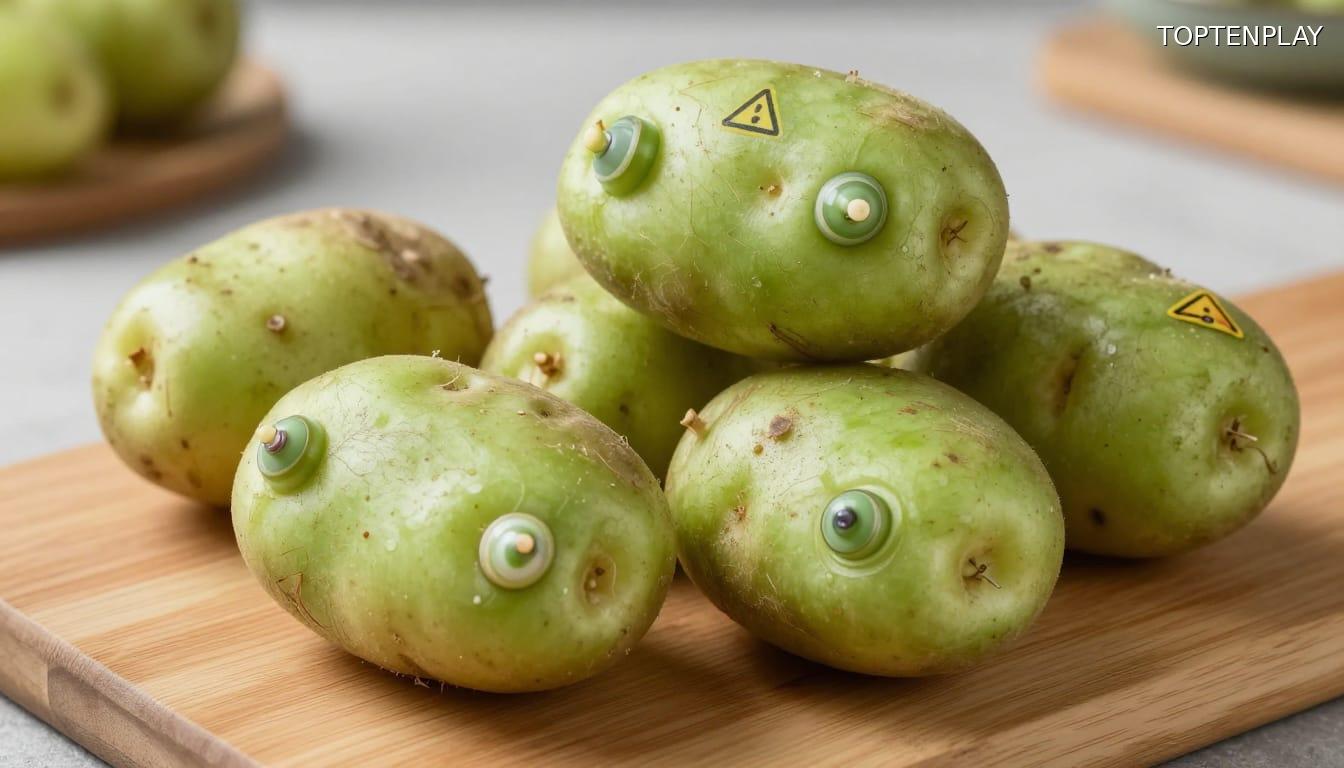
This latent toxicity manifests itself through a visual indicator that nature has provided: the greening of the tubers. When a potato turns green, its alkaloid concentration climbs sharply, transforming a commonplace food into a potential source of poisoning.
This color change is systematically accompanied by a pronounced bitterness. The unpleasant taste constitutes the second biological warning, a taste signal that the organism instinctively decodes as a threat. Experienced cooks know this absolute rule: a bitter potato ends up in the trash, never on the plate.
The consequences of consuming greened or sprouted tubers go beyond simple digestive discomfort. Nausea, diarrhea, fever, and headaches characterize solanine poisoning, symptoms serious enough to justify the formal recommendation from health authorities: systematically discard any tuber presenting these characteristics.
This defensive reaction of the plant recalls a fundamental truth: nightshades remain living organisms endowed with sophisticated chemical mechanisms. Understanding their natural warning signals allows for the avoidance of perfectly predictable inconveniences, provided one accepts to observe carefully what one is cooking.