📌 New Year’s Eve on December 31st: duck breast stuffed with foie gras and Christophe Michalak’s cake to prepare in advance
Posted 26 December 2025 by: Admin
The Art Of Preparation: Two Festive Recipes To Close 2025
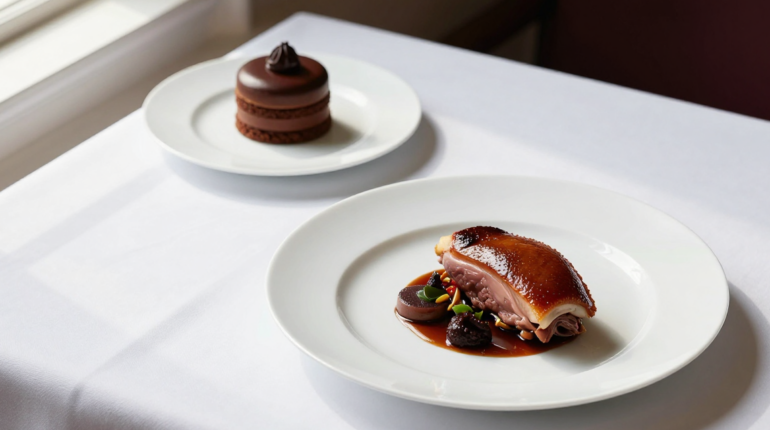
December 31st demands a menu worthy of the event. For this final evening of the year, Cuisine Actuelle offers a gastronomic duo that combines elegance and generosity: a duck breast stuffed with foie gras, a spectacular piece with deep flavors, followed by the New Year’s cake by Christophe Michalak, a true pastry masterpiece.
This marriage between the finesse of a dried meat garnished with foie gras and one of the most impressive desserts by the famous pastry chef transforms New Year’s Eve into a memorable culinary experience. The duck breast, coated in salt, pepper, and four-spice blend, develops a unique aromatic concentration over three weeks. The foie gras brings that incomparable creaminess that melts on the palate. On the sweet side, Michalak’s creation multiplies textures: crunchy gianduja-peanut base, velvety ganache, coffee-soaked ladyfingers, all enhanced by dark chocolate shavings and cocoa.
These recipes require anticipation but offer a result worthy of the most beautiful holiday tables. Intense flavors, textural contrasts, careful presentation: every element contributes to creating that moment of magic that will make the table sparkle and delight all guests. A menu that leaves an impression without falling into excessive complication, accessible to anyone willing to respect the necessary preparation times.
Duck Breast Stuffed With Foie Gras: Refinement And Gustatory Power
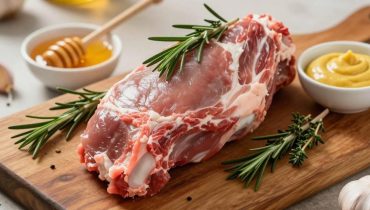
This centerpiece demands patience and rigor. The transformation of the duck breast begins with a 24-hour salting at room temperature: 500g of coarse salt envelop the meat, flesh side up, creating the conditions for controlled dehydration. After meticulous rinsing and drying, black pepper and four-spice blend develop their fragrance for three weeks in the refrigerator, a period during which the duck breast concentrates its flavors.
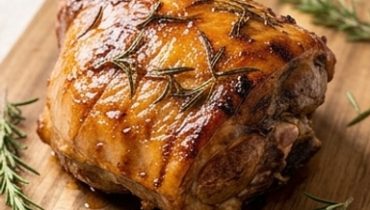
The decisive moment occurs at the end of this maturation. The duck breast, now firm and aromatic, is delicately opened to welcome 200g of very cold foie gras. This temperature is crucial: it facilitates handling and ensures the liver keeps its silky texture without melting upon contact with the meat. Once closed and tied, the whole forms a spectacular piece where the creaminess of the foie gras meets the intensity of the dried duck.
Thinly sliced, this duck breast reveals a creamy heart contrasting with the concentrated flesh. Each bite delivers this rare alliance between power and delicacy, this marriage between the deep saltiness of the spices and the incomparable melt of the foie gras. A preparation that impresses visually and gustatorily, transforming New Year’s Eve into a true gastronomic feast where the time spent on preparation translates into an explosion of flavors.
Christophe Michalak’s New Year’s Cake: A Sublime Alliance Of Textures
After the intensity of the duck breast, make way for spectacular sweetness. This signature dessert rests on a three-layer architecture where each stratum brings its own personality. The crunchy base is born from the fusion of 50g of melted gianduja, roasted salted peanuts, crêpes dentelles, and crumbled shortbreads. This bold combination, spread at the bottom of a ring lined with acetate film, creates a crunchy base that will resist the moisture of the upper layers.
The gianduja ganache constitutes the creamy heart of the whole. 150g of hazelnut-milk gianduja melt into a mixture of heated liquid cream and milk, forming a silky emulsion that sets in two hours in the refrigerator. This intermediate layer provides the necessary roundness, balancing the crunch of the base and preparing for the arrival of the coffee-soaked ladyfingers. The latter, cut and arranged on the ganache, absorb the coffee without collapsing, creating a softness reminiscent of tiramisu while maintaining their structure.
The final dressing transforms the cake into a festive piece. Finely carved dark chocolate shavings, shiny pearls, and a generous dusting of cocoa applied at the last moment compose a visual tableau as seductive as it is gourmet. The four additional hours of resting allow the flavors to marry, the coffee to diffuse subtly, and the crunch to soften just enough. This creation requires planning and precision but offers a memorable finale to this exceptional New Year’s Eve.
Organization And Timing For A Successful New Year’s Eve
The success of this menu lies in rigorous anticipation. The duck breast dictates its own schedule: three weeks of drying in the refrigerator after 24 hours of salting with coarse salt. It is impossible to rush this process which transforms raw meat into refined charcuterie, concentrates aromas, and allows the foie gras to integrate perfectly during the final stuffing. Early December is therefore the ideal time to start preparation if you are aiming for the 31st.
Christophe Michalak’s cake requires a minimum of six hours between the start of assembly and serving. Two hours to set the ganache on the crunch, and four additional hours after adding the ladyfingers and the chocolate dressing. The evening before or the morning of New Year’s Eve are perfectly suitable, allowing for the cocoa to be dusted just before presenting the dessert at the table. This organization frees the evening of the 31st from any stressful culinary constraints.
Despite their refined character, these recipes remain accessible to methodical cooks. The duck breast requires no complex technique, just patience and respect for resting times. The cake follows a logic of successive layers without baking or delicate tempering. Planning correctly transforms what might seem intimidating into a serene New Year’s Eve, where you welcome your guests without haste, with the satisfaction of having created a meal worthy of the finest festive tables.