The latest hypertension guidance from the American Heart Association and American College of Cardiology brings crucial updates, with renewed focus on accuracy, patient empowerment, and modern strategies for better outcomes.
New Hypertension Guidelines: A Fresh Perspective
The American Heart Association (AHA) and American College of Cardiology (ACC), supported by several professional societies, have released a comprehensive update on blood pressure management. This new document, spanning 105 pages, revisits key recommendations first issued in 2017. It places particular emphasis on accuracy, patient involvement, and evidence-based best practices to address the persistent challenges in hypertension care.
Highlights Worth Applauding
1. Accurate Measurement of Blood Pressure
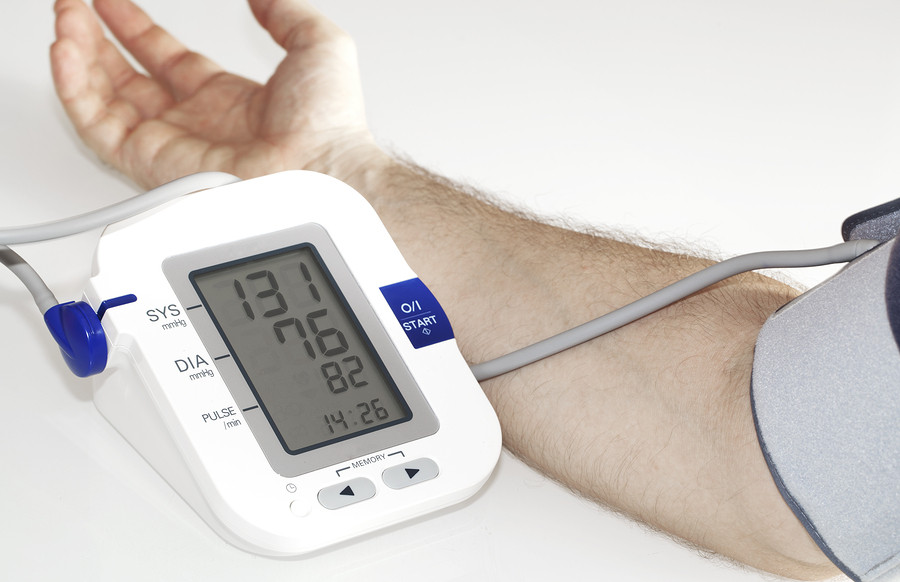
One of the most impactful sections of the updated guidance emphasizes precision in blood pressure measurement. The report features an illustration of the correct patient posture—sitting upright, feet flat, arm supported at heart level—and an eight-point checklist covering essential steps. This focus highlights how often poor technique distorts readings, leading to misdiagnosis or overtreatment.
Despite decades of knowledge, shortcuts remain common in clinical settings. Unlike surgical “time-outs” or infection control bundles, BP accuracy has been neglected. The new guidelines challenge this complacency, urging practitioners to view precise measurement not as optional, but as central to quality care.
2. Home-Based Blood Pressure Monitoring
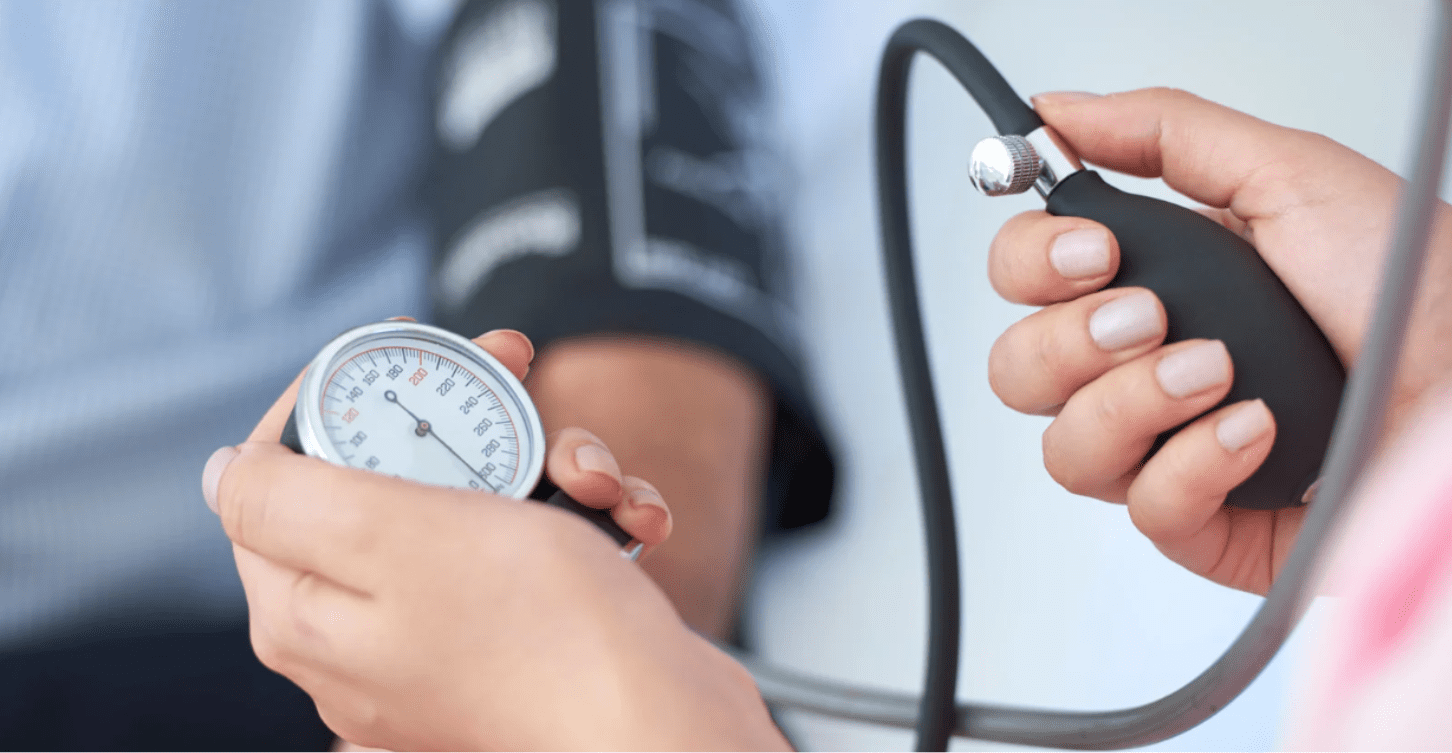
The authors also strongly support out-of-office blood pressure tracking. Home monitoring is typically more reliable than clinic readings, where “white coat hypertension” and inconsistent measurement methods often skew results. By equipping patients with validated devices and clear instructions, clinicians gain a more accurate picture of long-term blood pressure trends.
This approach enhances early diagnosis, improves treatment monitoring, and helps patients take an active role in managing their health. Education on recording and interpretation remains essential, but when done correctly, home-based monitoring reduces unnecessary medication changes and fosters long-term lifestyle improvements.
Ongoing Challenges

While these changes are encouraging, challenges remain. Many clinics lack standardized workflows to ensure consistent measurement, and not all patients have access to reliable home devices. Moreover, questions persist about how best to integrate remote data into routine care without overwhelming providers. The cultural shift toward meticulous measurement and patient partnership will take time, but the groundwork laid by these guidelines is promising.
Final Takeaway
The updated hypertension guidance is a reminder that small adjustments—like proper measurement and home monitoring—can have enormous impact. By combining accuracy with patient empowerment, the new recommendations push medicine closer to truly evidence-based, patient-centered care. The challenge now lies in changing habits and implementing these strategies widely.