📌 Muscle pain and headaches: 8 effective medicinal plants to naturally relieve your daily life
Posted 30 January 2026 by: Admin
Arnica and Valerian: The Natural Duo for Relieving Muscle Tension and Physical Stress
Faced with persistent aches and tensions that settle in day after day, two plants stand out for their complementary approach: arnica for external use, valerian for internal use.
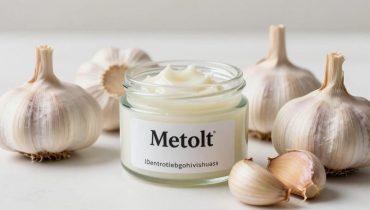
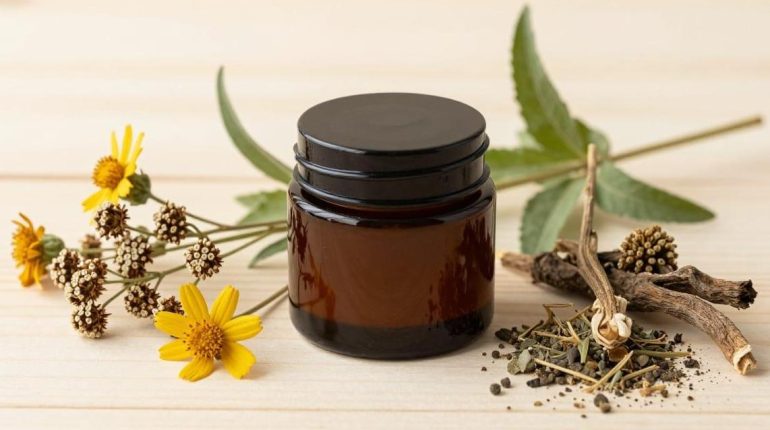
Arnica has established itself for centuries as the preferred ally for sore muscles. Applied as a gel or cream directly to the affected areas, it helps soothe back pain, neck stiffness, and post-exercise muscle fatigue. Its traditional action also aims to reduce the appearance of bruising after a shock or intense effort. Recommended application: 2 to 3 times a day on the skin, never for internal use.
Valerian adopts a different but equally relevant strategy. This calming plant acts on the nervous system to promote general body relaxation. Under prolonged stress, muscles remain contracted without us being aware of it. By encouraging deep relaxation, valerian indirectly helps release these chronic muscle tensions, particularly those related to anxiety or nervous fatigue.
Consumed as a herbal tea in the evening or as a food supplement, it prepares the body for rest and allows muscle fibers to relax naturally. This gentle but effective approach is particularly suitable for people whose physical discomfort stems from daily stress rather than direct trauma.
Lavender and Chamomile: Aromatic Plants for Headaches and Stress-Related Discomfort
When tension migrates to the head and mental stress translates into physical stiffness, two aromatic plants offer a targeted natural response.
Lavender enjoys a worldwide reputation for its soothing virtues. Its essential oil, diluted with a vegetable oil, is gently massaged onto the temples, neck, or shoulders to relieve tension headaches. Aromatherapy amplifies its effectiveness: a few drops in a diffuser are enough to create an atmosphere conducive to relaxation. This plant proves particularly effective when discomfort arises from emotional overload or mental exhaustion. Its characteristic scent acts simultaneously on the body and mind, breaking the vicious cycle of stress that fuels pain.
Chamomile completes this sensory approach with its proverbial gentleness. Traditionally consumed as a herbal tea before bed, it promotes the release of light muscle tension accumulated during the day. Its calming action on the nervous system prepares the body for optimal recovery during the night. Certain topical preparations also exploit its properties for localized relief.
These two plants share an essential characteristic: they target the nervous origin of physical discomfort, recognizing that much of daily pain finds its source in mental fatigue and emotional stress rather than mechanical trauma.
Turmeric and Ginger: Roots with Antioxidant Properties for Joint and Muscle Comfort
Beyond aromatic solutions, two millennial roots are essential in a long-term well-being strategy for stressed joints and muscles.
Turmeric concentrates its effectiveness in curcumin, a compound with antioxidant properties scrutinized by numerous scientific studies. Traditionally rooted in Ayurvedic and Chinese medicine, it supports joint comfort in the face of stiffness caused by daily activities or age. Unlike fast-acting plants, turmeric is part of a preventive approach: its regular integration into the diet—via the famous “golden milk” mixing turmeric, plant milk, and black pepper—or as a food supplement progressively optimizes musculoskeletal well-being.
Ginger completes this duo with its characteristic warming nature. Its ability to stimulate blood circulation makes it a valuable ally against aches and morning stiffness. A fresh ginger tea, consumed regularly, diffuses its beneficial warmth throughout the body, while ginger-based massage oils directly target tense areas.
These two roots share a common philosophy: they support the body’s natural resilience rather than temporarily masking discomfort. Their effectiveness unfolds over time, offering a complementary approach to the specific needs treated by other plants. This distinction between immediate relief and progressive support reveals the wealth of plant strategies available.
Basil, Mint, and Rosemary: The Aromatic Trio for Mental Clarity and Muscle Relaxation
This logic of accessibility finds its most daily expression in three common aromatic herbs, often neglected despite their therapeutic versatility.
Basil, mint, and rosemary form a plant trio with refreshing and stimulating properties, particularly effective against tension headaches and muscle stiffness of nervous origin. Their action is not limited to one body area: these plants act simultaneously on mental clarity and physical relaxation, exploiting the direct link between cognitive fatigue and muscle contractions.
Peppermint stands out for its cooling effect that soothes the temples during headaches, while rosemary stimulates circulation and invigorates tired muscles. Basil, less famous in this regard, nonetheless offers relaxing virtues that calm a tense nervous system. Their major asset lies in their diversity of use: a herbal tea concentrates their active principles for internal action, a few drops of essential oils diluted in a vegetable oil allow for a targeted massage of painful areas, and their fresh addition to the diet distills their benefits throughout the day.
This triple approach—aromatherapy, phytotherapy, and nutrition—transforms common herbs into strategic allies against daily discomfort. Unlike the previous roots which require an established routine, these plants adapt to the variable intensity of needs, offering a flexible and natural response accessible to all.