📌 Meltingly tender beef stew: the cast-iron pot technique for ultra-tender meat and a coating sauce
Posted 18 February 2026 by: Admin
Stewed Beef: A Family Classic with Timeless Foundations
There are recipes that cross generations without ever losing their power. Stewed beef is one of them: a founding dish of French family cuisine, whose strength lies in an equation as simple as it is implacable — patience and quality of ingredients.
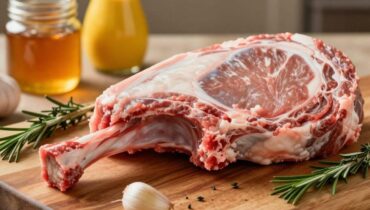
It all starts with the choice of the cut. Chuck, shank, or blade: these three cuts share a common characteristic, a dense collagen structure which, under the effect of long and gentle heat, transforms into an incomparable tenderness. Count on 1 kg for four people, accompanied by 150 g of smoked beef strips which will, from the first minutes, envelop the pot in a deep and robust fragrance.
The vegetables complete this picture with precision: 400 g of carrots, as many potatoes, 300 g of pearl onions, 250 g of button mushrooms, two cloves of garlic, a bouquet garni, and about 90 cl of beef broth. Two spoons of flour and a drizzle of oil complete the list — a sobriety of ingredients matched only by the richness of the result.
For the true secret of this dish lies not in its complexity, but in its tempo: 2 h 30 of cooking in total, over low heat, without haste. It is this assumed slowness that allows the flavors to weave together, the aromas to concentrate, and the sauce to develop that depth that distinguishes an ordinary stew from a memorable dish.
Preparation: Every Gesture Counts Even Before the Heat
This tempo on which the entire final result depends begins long before the pot is placed on the fire. Preparation is the first decisive step — and often the one that is rushed.
First imperative: cutting the beef. The pieces must be cut into regular 4 to 5 cm cubes — neither smaller nor irregular. A golden rule that amateur cooks too often neglect: cubes that are too small dry out under the effect of prolonged heat and lose that tenderness that makes all the difference.
The vegetables follow the same logic of proportion. Carrots are cut into thick rounds to hold up during cooking without disintegrating. Potatoes remain whole if their size permits, or are cut into large chunks — never fine dice. The button mushrooms, carefully cleaned, are cut in half or quarters depending on their size.
Two details complete this setup: the pearl onions, simply peeled to preserve their shape, and the garlic cloves crushed flat with the side of the knife rather than minced. This gesture releases the aromas progressively during simmering, without ever dominating the other flavors.
Each ingredient is thus ready to play its role at the precise moment the pot takes over — and where the decisive cooking gestures enter the scene.
Cooking: The Art of Simmering in Three Key Steps
The pot finally takes center stage — and this is where the most determining decisions for the success of the dish are made.
First step: browning. In the pot heated over medium heat, the smoked beef strips are sautéed for a few minutes until they release their fragrance, then set aside. The beef pieces then take over, seared in several batches to prevent them from releasing their water and steaming. Each side must be frankly browned: this step is not cosmetic — it directly conditions the depth and intensity of the final sauce.
Second step: binding. With all the meat back in the pot, sprinkle with flour and mix for a full minute to coat each piece uniformly. This is the “singer” technique — a discreet but vital chef’s gesture that guarantees a coating and velvety sauce during the long simmering.
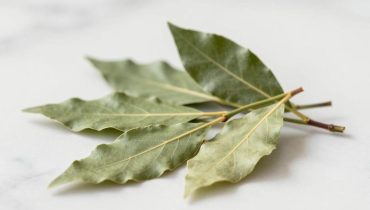
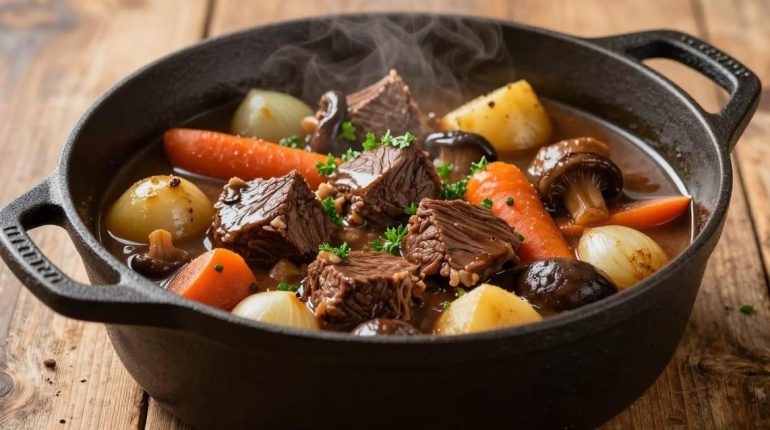
Third step: slow cooking. The hot broth comes to cover the preparation almost entirely with the bouquet garni. Bring to a light boil, then immediately reduce to a mere simmer. Lid on, very low heat: two hours of patience during which the aromas fuse and the meat softens. The potatoes and mushrooms join the dish for the last 30 minutes, until a glossy sauce and meat that falls apart with a fork are obtained.
Service, Tips, and the Secret of the Next Day
The sauce is glossy, the meat falls apart with a fork — the dish is ready to reveal its final dimension.
First thing: remove the bouquet garni. This small, often forgotten gesture avoids any residual bitterness on the plate. Then sprinkle generously with freshly chopped parsley, which brings a note of herbal freshness as a counterpoint to the richness of the sauce. Serve immediately, piping hot, accompanied by crusty bread — essential for capturing every trace of sauce at the bottom of the dish.
But the true secret of this stewed beef is revealed the next day. Prepared the day before and gently reheated over very low heat, the dish reaches a superior aromatic depth: the spices, herbs, and meat juices have had all night to concentrate and harmonize. What you serve then is no longer quite the same dish — it is an enhanced version, rounder, more complex, more memorable.
This principle of overnight rest is one of the great secrets of the family kitchens of yesteryear, passed down from generation to generation without ever appearing in written recipes. It transforms a good everyday dish into an exceptional meal, without extra effort — just anticipation and patience, the two cardinal virtues of slow-cooked cuisine.