📌 Melting Burrata Pasta
Posted 28 March 2026 by: Admin
One Wednesday night, fridge half empty, craving something good without spending two hours in the kitchen. This is exactly where this pasta comes in. Twenty-five minutes, five ingredients, and a result that feels like cheating.
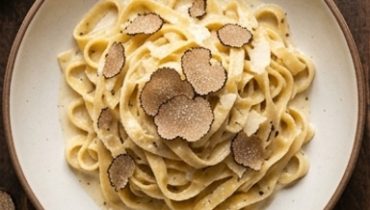
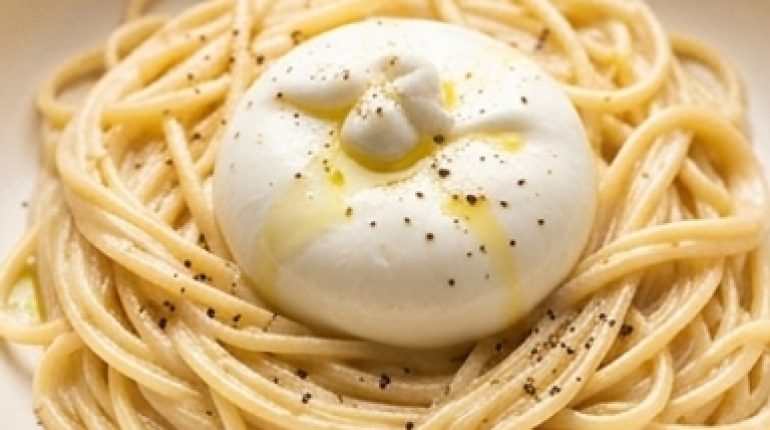
The spaghetti glistens under the olive oil, coated in a silky white cream that clings to every strand. In the center, the burrata has split open while melting — its off-white, slightly shiny heart blends with the pasta in long creamy streaks. It smells of warm olive oil and melted parmesan, a round, deep scent that fills the room. Simple. Generous.
Why you’ll love this recipe
Ingredient Notes
Five ingredients are enough: good pasta, very fresh burrata, parmesan, olive oil, and black pepper.
- Burrata : It’s the heart of the dish — literally. The outside looks like mozzarella but the inside, the stracciatella, is a thick, sweet cream that melts on contact with heat. Buy it the same day, or at most the day before. A three-day-old burrata shows and tastes: the cream becomes grainy and loses its softness. In supermarkets, vacuum-sealed Italian brands do the job. From a cheesemonger, it’s even better.
- Parmesan : Not the powdered parmesan in a green plastic jar — that doesn’t melt properly and gives unsightly lumps. A piece of Parmigiano Reggiano that you grate yourself is the difference between a smooth sauce and a sticky pile of cheese. Grate it fine, almost like snow. It incorporates better and creates a more stable emulsion with the cooking water.
- Olive oil : In a recipe with so few ingredients, you can really taste the oil. Use an extra virgin that is fruity without being aggressive. No need for an overpriced bottle, but avoid blended oils sold in five-liter cans. It provides the base flavor and the final gloss on the plate.
- Cooking water : Technically not on the ingredient list, but it’s what transforms the oil and parmesan into a sauce. The starch released by the pasta during cooking creates a natural emulsion. Absolutely save a cup before draining — once the water is in the sink, it’s too late.
Water first — and above all, salt it properly
Large pot. Plenty of water. Pasta needs space to move freely, otherwise it sticks and cooks unevenly. Now the salt: the water should be frankly salty, not barely seasoned — this is the only stage where the pasta truly absorbs salt deeply; anything you try to fix later will only be on the surface. A level tablespoon for two liters is a solid guide. Submerge the pasta in bubbling water and aim for al dente: firm to the bite, with a tiny heart still slightly opaque when you cut one in half. Before draining, fill a cup with this cloudy, starchy water. Don’t forget it.
In the pan, three minutes maximum
While the pasta cooks, heat the olive oil over low heat in a large skillet. Just a gentle heat that releases the aromas, no frying. Transfer the drained pasta directly into it and immediately pour in two or three tablespoons of cooking water — it lets out a little puff of steam and the sauce begins to form around the pasta. Add the grated parmesan in a fine rain, gradually, stirring constantly. The mixture becomes creamy, slightly pearlescent, with that characteristic gloss of good cacio e pepe. If it seems too thick, another splash of cooking water is enough to loosen it.
The moment everything changes
Remove the pan from the heat. This is non-negotiable — burrata cannot stand direct heat; it would become rubbery and lose everything that makes it interesting. Tear it by hand into large pieces over the pasta: the creamy heart flows out in white ribbons that slide over the still steaming spaghetti, a texture between thick yogurt and crème fraîche. Mix gently, just a few turns, to keep large melting clumps here and there rather than a uniform cream. The residual heat does the rest. The smell that rises then is that of fresh milk heated very gently, slightly sweet, with the salty base of parmesan in the background.
Tips & Tricks
- Preheat your plates for two minutes in a warm oven or by running them under very hot water — burrata loses its softness in thirty seconds on a cold plate, and it’s a shame to waste that at the last moment.
- Don’t mix too much after adding the burrata. The goal is melting pieces that contrast with the creamy pasta, not a uniform, flat white sauce.
- Black pepper is a real condiment here, not a decoration. Grind it generously just before serving — the crunchy bits under the tooth against the sweetness of the burrata is a texture contrast that really matters.
- A few cherry tomatoes roasted in the oven with a drizzle of oil are enough to transform this dish into a more complete version: their slightly caramelized acidity balances the richness of the cheese well.
Can I replace burrata with mozzarella?
Yes, but the result will be very different. Mozzarella melts in a firmer, more elastic way, without the flowing and creamy side of stracciatella. If you don’t have burrata, a mozzarella di bufala torn off the heat remains a good option — avoid industrial shredded mozzarella which doesn’t melt properly.
Why is my sauce becoming lumpy instead of creamy?
Two common causes: parmesan added all at once instead of being incorporated gradually, or heat that is too high, causing the cheese to coagulate. Add the parmesan in a fine rain while stirring over low heat, and always keep hot cooking water nearby to loosen the sauce if it tightens.
Can this dish be prepared in advance?
Not really. Burrata loses its melting texture as soon as it cools, and the pasta absorbs the sauce while sitting. This is a dish to be prepared and served immediately. At most, you can cook the pasta 30 minutes in advance and keep it al dente with a drizzle of oil, then finish the recipe just before serving.
Which pasta shape works best?
Long pasta — spaghetti, linguine, tagliatelle — works particularly well because the sauce clings to every strand. Penne or rigatoni also work if you prefer short shapes. Avoid very thin egg pasta like vermicelli, as they get lost in the creamy sauce.
How do I know if a burrata is still good?
A fresh burrata is firm on the outside, pure white, and its heart flows freely when cut. If the shell is soft, yellowish, or if the heart has a grainy and dry texture, it is too old. The shelf life is short — consume it within 24 to 48 hours after purchase for the best result.
Melting Burrata Pasta
Italian
Main course
Ultra-creamy pasta without a prepared sauce, just the magic of melted burrata off the heat over spaghetti al dente. Ready in 25 minutes.
Ingredients
- 250g spaghetti or linguine
- 200g fresh burrata (1 ball)
- 50g Parmigiano Reggiano cheese, freshly grated
- 2 tbsp extra virgin olive oil
- 1 tsp salt (for cooking water)
- 1 tsp freshly ground black pepper
Instructions
- 1Bring a large pot of water to a boil and salt generously (about 1 tbsp salt).
- 2Cook pasta al dente according to package directions. Reserve a cup of cooking water before draining.
- 3Heat olive oil over low heat in a large skillet.
- 4Transfer drained pasta to the skillet and add 3 tbsp of cooking water. Toss to coat.
- 5Stir in grated parmesan in a fine rain, stirring constantly until a smooth, pearly sauce forms. Adjust consistency with cooking water if necessary.
- 6Remove pan from heat. Tear burrata into large pieces over the pasta and toss gently a few times.
- 7Serve immediately in warm plates with a drizzle of olive oil and freshly ground black pepper.
Notes
• Storage: this dish does not store well — burrata loses its creamy texture in the refrigerator and when reheated. Only prepare the amount to be consumed immediately.
• Variation: add 10 to 12 cherry tomatoes roasted for 20 minutes in the oven with olive oil and salt for a more complete version. Their caramelized acidity perfectly balances the richness of the cheese.
• Make-ahead tip: pasta can be cooked in advance and kept al dente with a drizzle of oil. Finish the recipe in the pan at serving time by adding a little hot water to restart the sauce.
Nutrition Facts (per serving, estimated)
| 590 kcalCalories | 21gProtein | 62gCarbs | 28gFat |