📌 Mayonnaise at room temperature: why 2 hours is the limit never to be exceeded
Posted 6 February 2026 by: Admin
The Scientific Fundamentals Of Mayonnaise
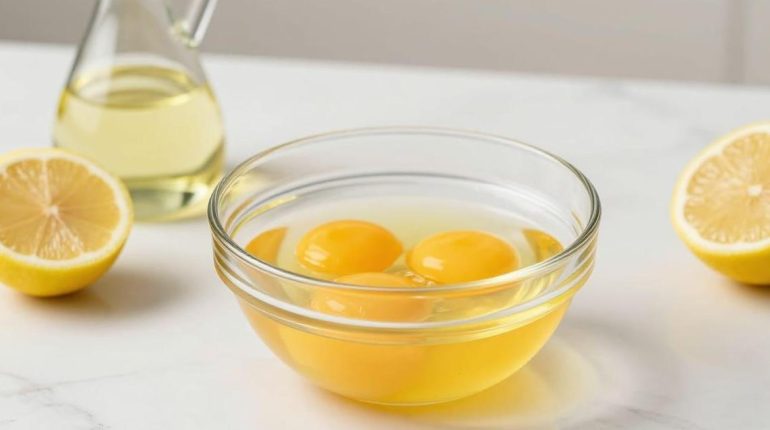
Mayonnaise relies on a precise chemical balance: an emulsion of oil, egg yolks, and acid, usually vinegar or lemon juice. The lecithin present in egg yolks plays a decisive role in stabilizing this emulsion, preventing the natural separation between oil and water. This fragile molecular structure explains why mayonnaise requires special attention during storage.
Commercial mayonnaise benefits from considerable protection thanks to the use of pasteurized eggs and chemical preservatives, significantly extending its shelf life. Conversely, homemade mayonnaise proves much more vulnerable to spoilage. Without these protective barriers, it becomes a breeding ground for bacterial development, particularly when exposed to inappropriate temperatures.
The natural acidity of mayonnaise offers some resistance against bacterial proliferation, but this protection remains limited. The acidic pH can slow the growth of certain microorganisms but does not constitute an absolute rampart. This scientific reality raises an essential question: how to guarantee the safety of this ubiquitous condiment in our kitchens, especially when ambient temperatures favor the multiplication of pathogens?
Official Storage Recommendations
Faced with these inherent fragilities, the United States Department of Agriculture (USDA) imposes an unequivocal directive: mayonnaise must be refrigerated after opening. This instruction is not an excessive precaution, but a sanitary necessity based on years of food safety research. The American authority classifies mayonnaise among perishable foods requiring particular vigilance.
The two-hour rule established by the USDA sets a critical threshold rarely known by the general public. Beyond this time limit at room temperature, the risk of bacterial contamination increases exponentially. This narrow window applies to all perishable foods but takes on a particular dimension for mayonnaise due to its composition rich in eggs and fats.
Storage temperature is the decisive parameter. Health authorities imperatively recommend storage below 4°C (40°F). At this temperature, the metabolic activity of pathogenic bacteria is considerably slowed, thus preserving the quality and safety of the product. This numerical standard draws a clear boundary between safe storage and potential health danger.
These official directives reveal a worrying reality: millions of households are likely unaware of the invisible risks silently developing in their mayonnaise left out of the refrigerator for too long.
The Invisible Danger Of Room Temperature
This seemingly harmless neglect triggers a formidable microbiological process. At room temperature, pathogenic bacteria multiply at an exponential rate, silently transforming harmless mayonnaise into a potential vector for food poisoning. Salmonella and Listeria, two particularly virulent infectious agents, find ideal conditions for rapid proliferation in these circumstances.
Cold acts as an essential biological lock. Below 4°C, bacterial activity slows drastically, extending the product’s shelf life and maintaining its sanitary integrity. This cooling action does not destroy microorganisms but keeps them in a state of relative dormancy, preventing their dangerous development.
The medical consequences of Salmonella or Listeria contamination go far beyond simple temporary digestive discomfort. These infections can cause severe gastroenteritis, accompanied by high fevers, acute dehydration, and, in some cases among vulnerable populations, require emergency hospitalization. Pregnant women, young children, and immunocompromised individuals are the primary targets of these insidious pathogens.
This invisible threat presents no obvious visual warning signs. Contaminated mayonnaise often retains its normal appearance, masking the danger it represents until it is too late to avoid poisoning.
The Concrete Consequences Of Inadequate Storage
Beyond health risks, poorly stored mayonnaise undergoes inexorable organoleptic degradation. Flavors progressively deteriorate, giving way to acrid and rancid aromas that betray lipid oxidation. Oil exposed too long to ambient heat develops that characteristic bitterness that makes the product immediately repulsive in the mouth.
Texture is another revealing indicator of advanced spoilage. The initially creamy and homogeneous emulsion breaks, causing a visible separation between the aqueous and oily phases. This structural destabilization transforms the mayonnaise into a grainy and unpleasant substance, totally unfit for any culinary use.
The worrying paradox lies in the lack of systematic correlation between bacterial contamination and visible signs. Normal-looking mayonnaise can harbor dangerous bacterial colonies without the consumer detecting the slightest olfactory or visual warning. This invisibility of danger considerably amplifies the risks of accidental poisoning.
The source article raises a crucial question that remains mysteriously unanswered: exactly how long can mayonnaise stay out of the refrigerator without compromising food safety? This information gap leaves consumers in a worrying uncertainty regarding their daily storage practices.