Vaccination, lifestyle, and safer containers: what experts recommend
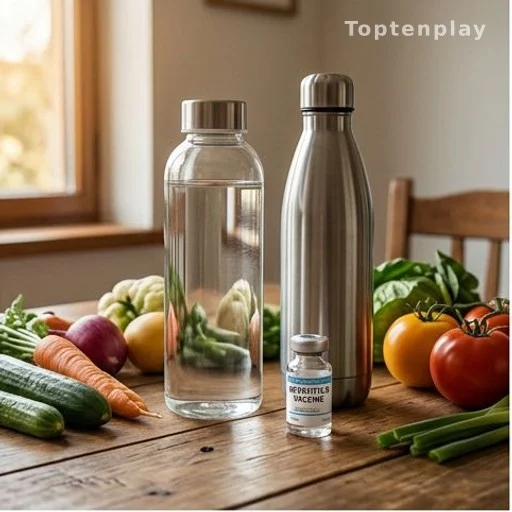
Doctors outline a clear set of evidence-based measures to protect liver health. Vaccination against hepatitis B is at the top of the list. Maintaining a healthy body weight, limiting alcohol intake, avoiding smoking, eating a balanced diet, and exercising regularly all play documented roles in reducing risk.
For those with chronic liver disease, closely following medical advice and attending regular follow-up appointments is essential. People in higher-risk groups should also ask their doctor about appropriate hepatitis screening.
On the question of drinking water containers, the guidance is straightforward. Use clean, treated water from reliable sources. Wash reusable bottles frequently. Avoid containers not intended for food or beverage storage. Glass and stainless-steel bottles are considered durable and safer long-term alternatives for those who prefer reusable options — particularly for water stored in hot environments such as parked vehicles or in direct sunlight, where heat can degrade certain plastics and encourage bacterial growth in opened bottles.
The viral story of a young couple and a water container has yet to be substantiated by any published medical evidence or identified clinical case. The broader questions it raises — about plastic safety standards, the regulation of health misinformation online, and public awareness of genuine liver cancer risk factors — remain open. Health authorities continue to point to hepatitis vaccination coverage and early screening as the most urgent levers for reducing liver cancer incidence worldwide.