Cakes made with starch deserve far more attention than they get. This Lemon Cloud Cake is the perfect proof: a batter that seems almost too simple to yield anything interesting, yet it comes out of the oven with a surprisingly light crumb. It’s the ultimate weekend recipe—no stress, no advanced technique, just a little time on your hands.
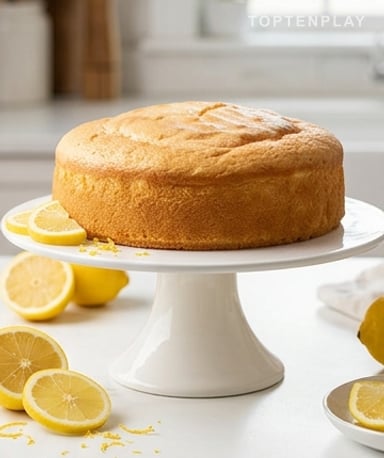
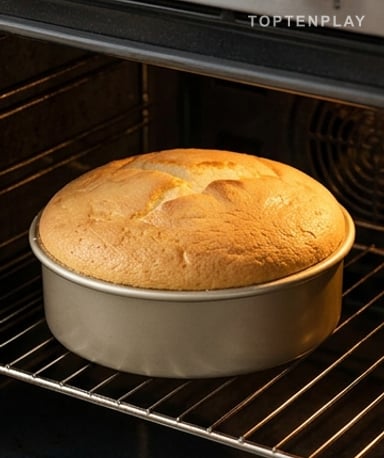
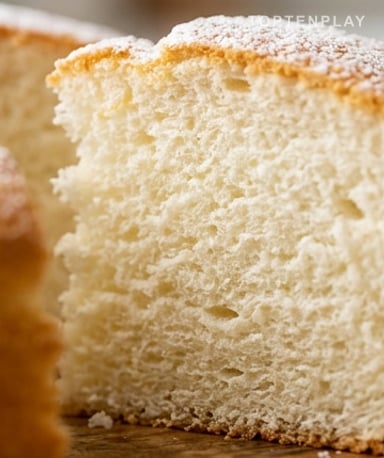
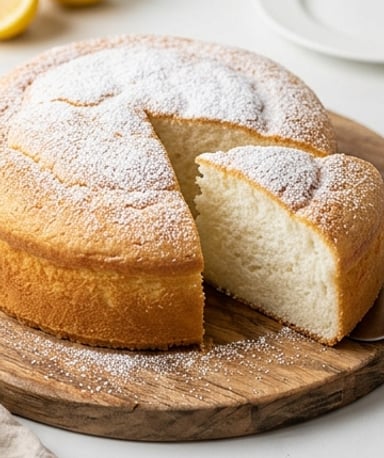
Out of the oven, it has a pale golden hue, almost ivory on the sides, with a slightly domed top that barely cracks on the surface. When you insert a knife to check doneness, the blade comes out clean and the surface gently springs back—a sign that the crumb is still alive, elastic, not dry. It smells of warm lemon, not artificial flavor but real zest that has cooked in the oil, something slightly bitter and floral at once. And when you cut the first slice, you see the crumb: white, fine, airy, with small regular holes that resemble a mousse more than an ordinary cake.
Why you’ll love this recipe
Ingredient Notes
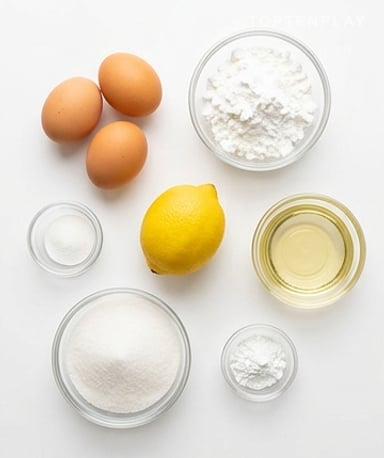
Six ingredients are enough—potato starch is the secret to such an airy texture.
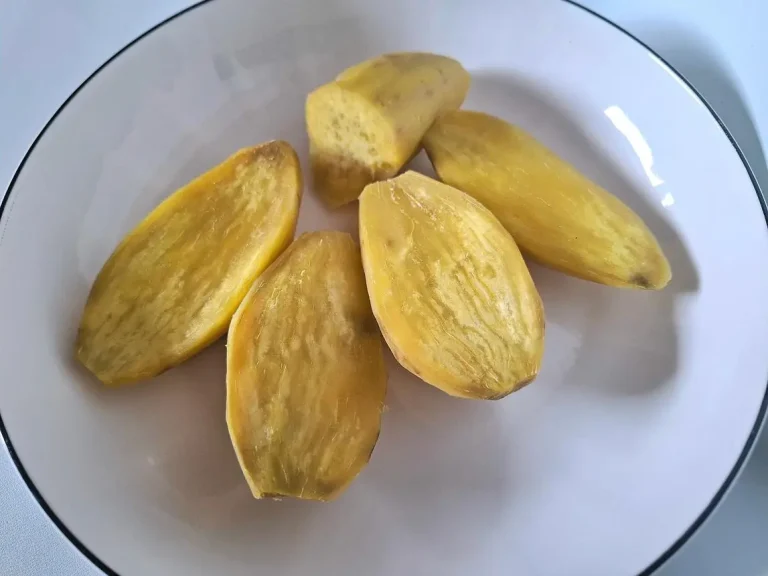
- Potato starch : This is the key ingredient, do not substitute with cornstarch. The texture will be different—stickier, less airy. Potato starch absorbs moisture in a particular way that creates this characteristic lightness. You can easily find it in supermarkets, in the starch and binder aisle, often next to cornstarch. Store brand or Alsa, doesn’t matter.
- Lemon zest (not juice) : Zest only. Juice would acidify the batter and hinder rising. The zest contains the lemon’s essential oils—that’s where the fragrance is concentrated. Use an unwaxed lemon if possible. If you only have regular lemons, scrub them vigorously under hot water before grating the skin.
- Neutral oil : Sunflower, grapeseed, canola—whatever you have. Definitely not olive oil: it would leave an aftertaste that doesn’t go with lemon at all. Oil is also what keeps the cake moist over time, much better than butter.
- Baking powder : 16g for this size is generous but necessary. Don’t be tempted to use less—this amount causes the quick rise and characteristic domed top. Check that your baking powder is not expired: old baking powder gives a flat, dense cake.
Start the batter
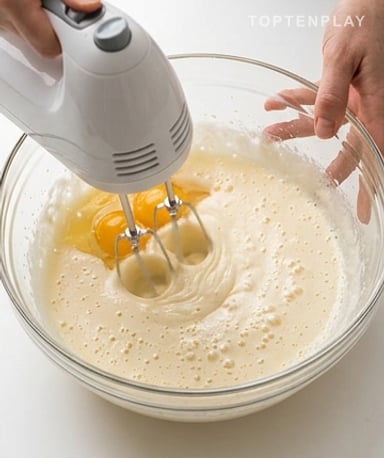
In a large bowl, crack the three eggs with the 130g of sugar. Now whisk. For a long time. The goal: a mixture that has tripled in volume, gone from deep yellow to a pale cream almost white, and forms thick, shiny ribbons when you lift the whisk. With an electric mixer on high speed, count at least four minutes. By hand, it’s doable—but plan 15 minutes and a bit of endurance. Don’t rush this step. The air incorporated here is the foundation of the cake’s entire texture.
Gentle assembly
Pour the oil in a stream while continuing to mix on low speed—the batter should absorb it gradually without falling. Then sift the starch and baking powder directly over the bowl, then add the grated zest. Switch to a flexible spatula. Use folding motions, from bottom to top, no whisk. The goal is to incorporate the powders without destroying the air bubbles created earlier. The resulting batter is surprisingly light for its consistency: almost fluid, milky white, with small visible bubbles on the surface that already hint at what it will become.
And now, patience
Preheat the oven to 175°C fan-forced. Pour the batter into a well-oiled and floured 20 to 22 cm mold—or lined with parchment paper if you prefer not to take risks. The cake bakes between 28 and 32 minutes depending on the oven. You know it’s ready when the top is golden like light caramel, the surface springs back when lightly pressed, and a knife blade comes out dry. Do not open the oven during the first twenty minutes—the thermal shock would cause the whole thing to collapse instantly, and you’d end up with a puck instead of a cloud.
Tips & Tricks
- Let it cool completely before cutting—when warm, the crumb is still too fragile and gets crushed. About twenty minutes on a wire rack is the minimum.
- A dusting of powdered sugar just before serving is all it needs. No glaze, no whipped cream: that would mask exactly what makes this cake interesting.
- If you want a more intense flavor, add the zest of two lemons instead of one. It really changes the aromatic depth without weighing down the texture.
Can I replace potato starch with flour or cornstarch?
No, and this is really important. Regular flour will give a dense, heavy cake, nothing like the cloud texture. Cornstarch is closer but produces a stickier, less airy crumb. Potato starch is irreplaceable in this recipe—fortunately, it’s easy to find in supermarkets.
How long does the lemon cloud cake keep?
Two to three days at room temperature, under a clean cloth or in an airtight container. Avoid the refrigerator: cold dries out the crumb and makes it lose all its lightness. It’s best on the day it’s made or the next day.
Why didn’t my cake rise?
Two possible reasons. Either the eggs and sugar weren’t whisked long enough—the mixture really needs to triple in volume and turn pale. Or the baking powder was expired or the powders were incorporated too vigorously with a whisk, which broke the air bubbles. Always use a spatula for the final step.
Can I add lemon juice in addition to the zest?
Better to avoid it. Lemon juice acidifies the batter and can react unpredictably with the baking powder, in addition to changing the consistency. For a more pronounced flavor, simply double the amount of zest—two lemons instead of one really make a difference.
Can I make it without an electric mixer?
Yes, but it’s demanding. You need to whisk the eggs and sugar by hand for about 10 to 15 minutes to achieve the desired volume and color. A balloon whisk and a bit of endurance are enough, but an electric mixer is really recommended for this type of cake.
Can I flavor the cake with something other than lemon?
Absolutely. The same base works very well with orange zest, vanilla (a teaspoon of extract), or even a spoonful of orange blossom water. The airy structure remains the same, only the flavor changes.
Lemon Cloud Cake
French
Dessert
An ultra-moist cake made with potato starch and lemon zest, with an almost unreal lightness. Ready in under an hour with six pantry ingredients.
Ingredients
- 3 eggs
- 130g granulated sugar
- 90ml neutral oil (sunflower or grapeseed)
- 200g potato starch
- 16g baking powder (1 sachet + 1 teaspoon)
- 1 unwaxed lemon (zest only)
- 1 pinch salt
Instructions
- 1Preheat the oven to 175°C fan-forced. Grease and flour a round 20 to 22 cm cake pan.
- 2In a large bowl, whisk the eggs with the sugar using an electric mixer on high speed for 4 minutes, until the mixture triples in volume and becomes pale and frothy.
- 3Pour the oil in a stream while continuing to mix on low speed until fully incorporated.
- 4Sift the potato starch and baking powder directly into the bowl, add the lemon zest and salt.
- 5Gently fold the dry ingredients into the batter using a spatula with folding motions, without whisking, to preserve the air bubbles.
- 6Pour the batter into the pan and bake for 28 to 32 minutes. The cake is done when the top is light golden and a knife inserted comes out clean.
- 7Let cool for 20 minutes on a wire rack before unmolding. Dust with powdered sugar before serving.
Notes
• Do not open the oven before 20 minutes of baking: the thermal shock will immediately deflate the cake.
• Storage: 2 to 3 days at room temperature under a clean cloth. Do not refrigerate, as it dries out the crumb.
• For a more intense flavor, use the zest of 2 lemons. The base also works very well with orange zest or a teaspoon of vanilla extract.
Nutrition Facts (per serving, estimated)
| 280 kcalCalories | 3gProtein | 37gCarbs | 13gFat |