📌 Lemon cake for less than €2: the ultra-moist recipe that rivals pastry shops
Posted 27 March 2026 by: Admin
The Essential Budget Dessert Recipe
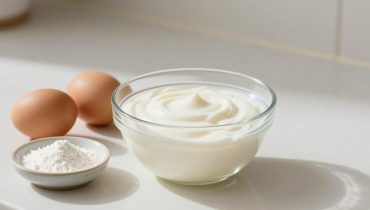
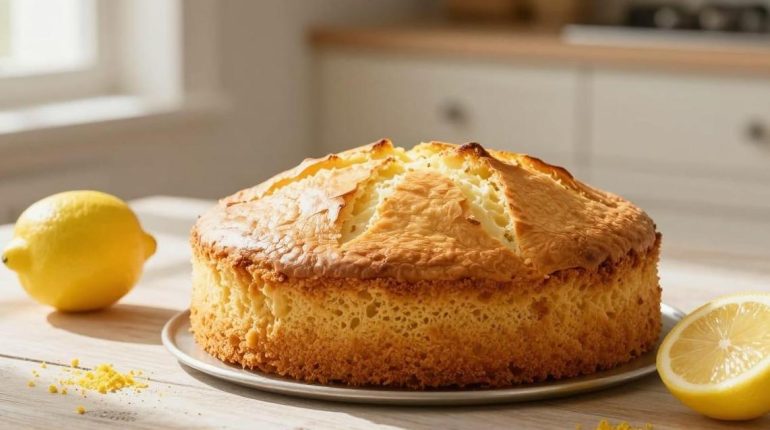
Lemon cake has established itself as one of the most democratic creations of French pastry. Behind its apparent simplicity lies a formidably effective recipe, accessible with ingredients that every household already possesses: three eggs, 150 grams of sugar, one plain yogurt, and 200 grams of flour are enough to create a dessert that rivals artisanal productions.
This economical version reveals a truth that the pastry industry prefers to keep quiet: no sophisticated equipment is necessary to obtain an exceptional moist texture. A simple mixing bowl, a whisk, and a standard mold are enough to achieve that delicate melt that characterizes great successes. The balance between the sharp acidity of the lemon and the enveloping sweetness of the batter creates that recognizable flavor signature from the very first bite.
Versatility is its major asset: this cake fits any time of day with equal relevance, from a gourmet breakfast to a refined dessert. In 50 minutes flat – including only 15 minutes of active handling – even absolute novices produce a result worthy of recipes passed down from generation to generation.
The democratization of this pastry proves that excellence and accessibility are not opposites. All that remains is to master the technical gestures that transform these ordinary ingredients into a truly remarkable creation.
The Secrets to a Successful Preparation
Transforming these basic ingredients into an exceptional cake relies on a sequence of precise gestures that professional pastry chefs perform instinctively. Vigorously whisking the eggs with the sugar until pale and frothy is the very foundation of aeration: this step, often rushed, determines whether the result will be dense or light.
Gradually incorporating the dry ingredients into the liquid preparation requires a delicate hand. Contrary to popular belief, overworking the batter produces the opposite effect – gluten develops and the texture becomes rubbery. Professionals know: three turns of the spatula are enough to integrate flour and baking powder without compromising the moistness.
The choice of lemons reveals another technical subtlety. Untreated citrus fruits allow for full use of the zest, where 80% of the aromatic essential oils reside. The optional glaze – one hundred grams of icing sugar mixed with three tablespoons of lemon juice – is not just for aesthetics: this shiny film traps moisture and prolongs freshness.
Baking at 180°C for thirty-five minutes offers the ideal compromise between a golden crust and a melting heart. Checking with a knife remains the only reliable method: the blade must come out clean, without a trace of raw batter. These proven techniques guarantee that every batch faithfully reproduces that characteristic texture for which this timeless classic is famous.
Expert Tips to Elevate the Cake
Beyond the fundamentals, several targeted interventions transform this budget recipe into a refined creation. Partially substituting oil with melted butter – at a rate of fifty grams – instantly enriches the aromatic profile without weighing down the texture. This subtle modification brings a depth of flavor that neutral oil cannot reproduce.
Adding a spoonful of crème fraîche to the liquid preparation imperceptibly modifies the structure but produces a near-professional melt. Pastry chefs also use a little-known technique: pouring a hot lemon-sugar syrup over the cake immediately after unmolding. The thermal contrast creates micro-channels that absorb the liquid, guaranteeing optimal moistness for several days.
Resting is the most counter-intuitive tip. Letting the cake rest under plastic wrap for a few hours – ideally until the next day – allows the flavors to fuse and the moisture to distribute uniformly. This express aging significantly improves the result.
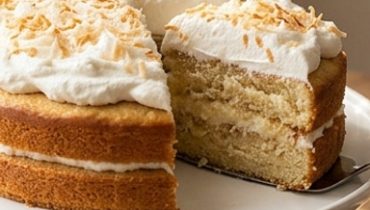
Three variations offer gourmet twists without complicating the method: fifty grams of shredded coconut for an exotic version, the same amount of almond flour replacing the flour for a richer character, or generous soaking in syrup for lovers of extreme melt. These minimal adjustments demonstrate that a budget recipe can rival artisanal productions when technique and creativity combine.
Storage and Practical Value
This recipe reveals its full economic relevance in its durability. Properly wrapped in cling film or an airtight box, the cake keeps for two to three days at room temperature without losing its characteristic moistness. In the refrigerator, this period extends to five days – a remarkable performance for a homemade pastry. Freezing even extends storage up to two months, allowing you to anticipate gourmet occasions or manage surpluses without waste.
The economic equation proves particularly advantageous compared to industrial alternatives. Three eggs, one hundred and fifty grams of sugar, one yogurt, and two hundred grams of flour constitute the bulk of the investment – representing a derisory unit cost for six to eight generous portions. Compared to pre-packaged cakes whose prices can triple this amount for often inferior taste quality, the value for money becomes indisputable.
Nutritional values remain controlled: between two hundred and twenty and two hundred and eighty kilocalories per portion depending on the variants chosen. This transparency allows for precise control of intake, unlike manufactured products with opaque compositions.
The only precaution to preserve this quality lies in careful packaging. Prolonged contact with air gradually dries out the crumb, turning the moistness into a dry texture. Rigorous packaging guarantees that this budget recipe keeps its taste qualities intact from the first to the last day, proving that financial accessibility and culinary excellence can sustainably coexist.