📌 Lebanese Hashweh: fragrant rice with lamb, toasted pine nuts and 7 spices – the authentic recipe
Posted 27 December 2025 by: Admin
The Lebanese Recipe That Elevates Basmati Rice
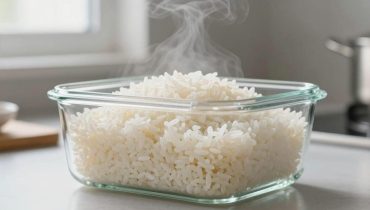
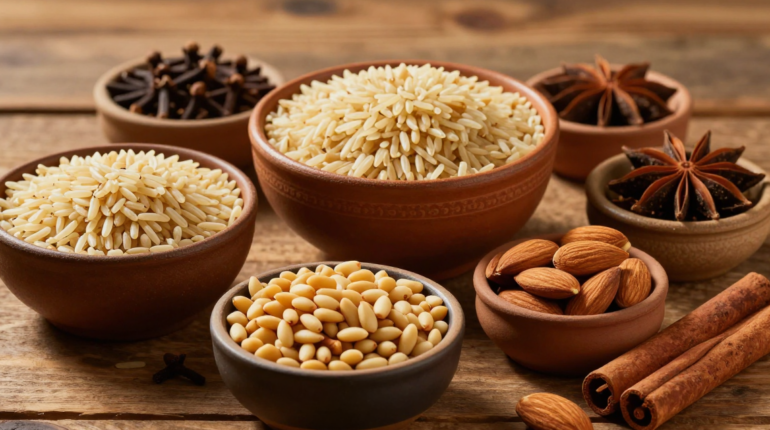
Hashweh embodies the quintessence of Levantine gastronomy: a dish where basmati rice transcends its apparent simplicity to become the vessel of a centuries-old culinary tradition. This Lebanese preparation combines 500g of rice with 500g of ground lamb in a marriage orchestrated by six oriental spices.
The recipe for six guests requires 2h10 of total preparation, but this time reflects less a technical complexity than a succession of precise steps. Noble ingredients define the dish’s identity: pine nuts and slivered almonds provide the crunch, while ghee and butter guarantee the characteristic silkiness.
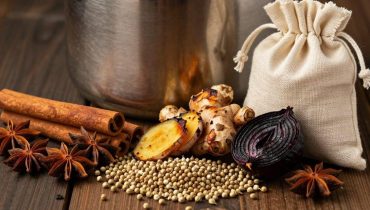
The gustatory architecture rests on a millimeter-perfect balance of spices. Cinnamon and ginger dominate with their generous doses, while nutmeg, cloves, and allspice intervene in subtle touches. This oriental symphony transforms ordinary ingredients into an explosion of authentic flavors, revealing why Hashweh remains an unsung but essential pillar of the Lebanese table.
Little known in some regions, this stuffed rice is nevertheless an essential classic of family celebrations in Lebanon, where each family holds its jealously guarded variant. Mastering proportions and timing makes the difference between a correct dish and a memorable success.
Preparing Dried Fruits: The Decisive Step
This mastery of proportions begins with a seemingly harmless but fundamental step: roasting the dried fruits. The 25g of pine nuts and 25g of slivered almonds require oven cooking at 200°C (180°C fan) for exactly 6 to 7 minutes. This narrow time window tolerates no approximation.
Active monitoring is essential: stirring the tray once or twice during cooking guarantees a uniform golden color without charred areas. The dried fruits thus transition from a neutral state to a toasted aromatic, developing hazelnut notes that will counterbalance the richness of the lamb and spices.
This physico-chemical transformation radically modifies the texture. The pine nuts and almonds change from a tender consistency to an irresistible crunch that will persist even after incorporation into the hot rice. The classic mistake is to undercook out of caution, producing soft fruits that melt into the dish instead of providing their signature textural contrast.
Immediate removal from the oven at the optimal moment preserves this acquired crunch. These toasted fruits, set aside, will wait for their final integration as a gustatory and visual punctuation, sprinkling the Hashweh with golden touches that signal the authenticity of the preparation.
The Alchemy Of Aromatics And Spices
Once the dried fruits are set aside, the aromatic construction of the Hashweh begins with its olfactory foundation: 2 onions and 4 finely chopped garlic cloves. This base, sautéed in olive oil, constitutes the pedestal upon which the entire complexity of the dish will be built. The generous proportion of garlic — 4 cloves for 500g of meat — asserts the Levantine identity of the recipe without ever dominating.
The ground lamb, previously brought to room temperature, then absorbs six carefully measured spices. Cinnamon leads the dance with 2 teaspoons, followed by 1 spoon of ginger. Measured touches of black pepper, allspice, nutmeg, and cloves follow — each at ¼ or ½ teaspoon. This precise orchestration avoids the pitfall of a dominant spice, favoring a harmony where each note stands out without crushing the others.
The trio of fats — olive oil for initial cooking, 2 to 3 teaspoons of ghee to enrich the meat, 50g of diced butter incorporated into the rice — creates this characteristic silky texture. Ghee, traditional Middle Eastern clarified butter, brings a milky depth impossible to reproduce with ordinary substitutes.
The finish with chopped flat-leaf parsley and Maldon sea salt flakes transforms these technical components into a complete sensory experience, where each grain of rice becomes a vector of a millennial culinary tradition.
Exclusive Access To The Complete Recipe
Beyond these revealed technical fundamentals, the rest of the process — rice cooking, final assembly, resting time — remains accessible only to Kiss My Chef subscribers. This editorial reserve is not arbitrary: it protects detailed expertise that transforms quality ingredients into a guaranteed culinary success.
The subscription, offered from €1.49 per month, unlocks much more than a simple recipe. It opens the doors to an exhaustive catalog of over 16,000 verified recipes, enriched every week with 20 new creations. Two weekly newsletters — one entirely dedicated to recipes — accompany subscribers in their gourmet exploration, while voluntarily limited advertising preserves reading comfort.
This formula also supports an independent culinary media, capable of maintaining its editorial standards without commercial compromises. Each subscription finances the writing of in-depth content, rigorous recipe testing, and the diversity of a catalog covering world traditions and contemporary innovations.
To perfectly master Hashweh — from the precise moment to incorporate the butter to the optimal broth absorption technique — crossing this threshold becomes indispensable. The secrets of texture and aromatic balance that distinguish a correct dish from an authentically Lebanese version reside in these meticulously described final steps.