📌 Lasagna Bolognese: the traditional technique of Emilia-Romagna with homemade béchamel and 2-hour simmered sauce
Posted 31 January 2026 by: Admin
The Noble Origins Of An Iconic Dish
This lasagna draws its authenticity from Emilia-Romagna, a region in Northern Italy recognized as the historical cradle of this layered dish. Far from standardized versions, the original recipe reveals a precise culinary architecture: layers of tender pasta alternate with a bolognese sauce simmered in wine and a velvety béchamel with nutmeg.
The sophisticated balance relies on the mastery of three distinct components. The minced meat develops its aromas in contact with dry red wine, while the aromatic vegetables melt slowly in olive oil. The béchamel, enriched with delicate spices, provides the necessary creaminess to bind the flavors without overpowering them. This union creates a taste experience where each layer retains its identity while participating in the overall harmony.
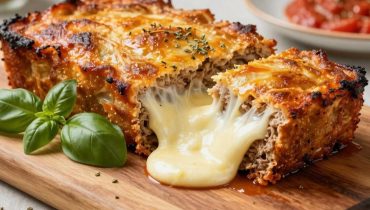
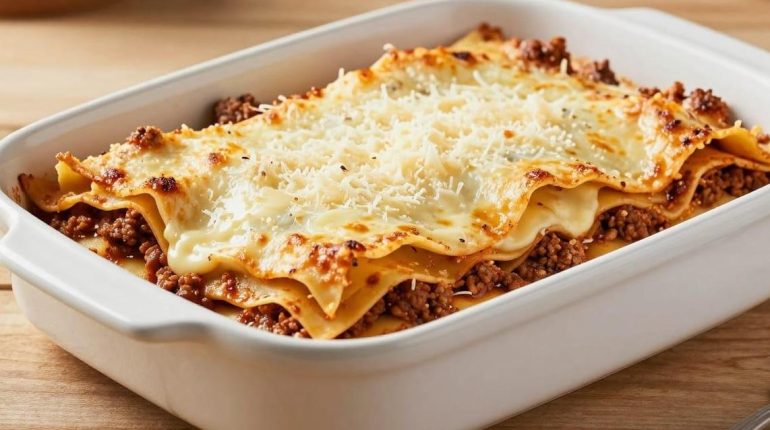
The final presentation, crowned with oven-browned melted parmesan, bears witness to the traditional refinement of this Italian region. This gratin crust protects the inner layers while offering a sought-after textural contrast. Each slice then reveals the architectural precision of the dish: clean lines of pasta, sauce, and béchamel that tell a culinary story generations old.
This fidelity to the ancestral techniques of Emilia-Romagna transforms a simple lasagna into a living witness of a demanding gastronomic heritage.
The Symphony Of Ingredients And Flavors
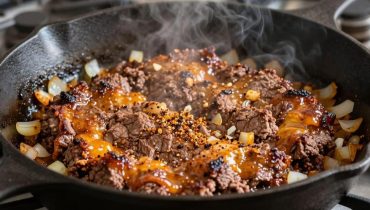
This architectural mastery relies above all on the rigorous selection of components. The bolognese sauce starts with 500g of minced meat (pork and/or beef) seared with 100 to 150g of finely chopped bacon or pancetta. This combination creates a meaty depth reinforced by minced onion, grated carrot, and chopped celery – the Italian aromatic trinity.
Deglazing with dry red wine (150ml) dissolves the cooking juices before adding 500g of canned tomatoes. But the secret to creaminess is hidden in a little-known detail: 50ml of milk incorporated at the end of simmering softens the tomato acidity and brings a silky texture. The five whole cloves discreetly infuse their spicy notes, creating a subtle aromatic complexity that few recipes dare.
The béchamel responds with its own sophistication. Prepared according to the classic method (50g butter, 3 spoons of flour, 500ml milk), it is distinguished by half a teaspoon of freshly grated nutmeg. This spice transforms an ordinary white sauce into a fragrant component that dialogues with the cloves in the bolognese.
The option of enriching with a beaten egg offers additional density, binding the layers with a creamy consistency that resists cutting. This attention to detail – from fresh chopped parsley to the chosen spices – reveals the technical requirement behind each layer of the dish.
Technical Mastery And Precise Timing
These exceptional components only reveal their full potential through methodical timing. The total process of 2h15 is broken down into distinct phases, each decisive for the final balance.
The bolognese sauce requires 45 minutes of simmering over low heat after adding the tomatoes. This prolonged cooking allows the flavors to blend, the wine to partially evaporate, and the milk to soften the texture. During this time, the vegetables merge with the meat in a creamy harmony that haste would irremediably sabotage.
The béchamel is prepared in exactly 15 minutes using the blond roux technique: melted butter welcomes the flour before the gradual incorporation of heated milk. This speed contrasts with the patience required for the bolognese, illustrating the technical duality of the dish.
The assembly and final baking take an additional 45 minutes in the oven. During this step, the superimposed layers – pasta, bolognese, béchamel, parmesan – fuse under the effect of heat. The golden crust that forms on the surface signals the chemical transformation of lactic proteins and the culmination of the process.
This temporal rigor guarantees that each layer retains its identity while integrating into the whole. Scrupulous respect for these durations separates an ordinary lasagna from a mastered dish where texture, aromas, and presentation reach their peak simultaneously.
Versatility And The Art Of Presentation
This technical rigor finds its extension in the balance of service. The layered richness of the lasagna calls for a counterpoint of freshness: a crisp Mediterranean salad, composed of lettuce, cherry tomatoes, cucumber, and lemon vinaigrette, neutralizes the creamy intensity of the main dish without competing with it.
This duo transforms the meal into a complete gastronomic experience. The silky texture of the béchamel and the density of the bolognese find their contrast in the vegetable crunch, creating an alternation of sensations that prevents any taste saturation.
The very format of the lasagna favors gatherings. Its early assembly allows it to be prepared several hours before service, or even the day before. At the desired time, 45 minutes in the oven are enough for it to arrive at the table golden, steaming, ready to be cut into generous portions in front of the guests. This practicality makes it the ideal dish for Sunday dinners and special occasions where the host wishes to participate in the conversation rather than remaining confined to the kitchen.
Each slice reveals the internal architecture of the dish: the visible layers of pasta, deep red sauce, and ivory béchamel offer an instinctively appetizing presentation. This natural aesthetic, without artifice, embodies Italian generosity while maintaining a sober elegance that transcends eras and culinary trends.