The Hidden Superfood Growing Where You Least Expect It
While mainstream media champions expensive superfoods shipped from distant corners, a nutritional powerhouse thrives unnoticed in backyards and urban lots across North America. Lamb’s Quarters, scientifically known as Chenopodium album, is the wild spinach that gardeners dismiss as a weed while health-conscious rebels recognize it as a superior alternative to trendy cultivated greens.
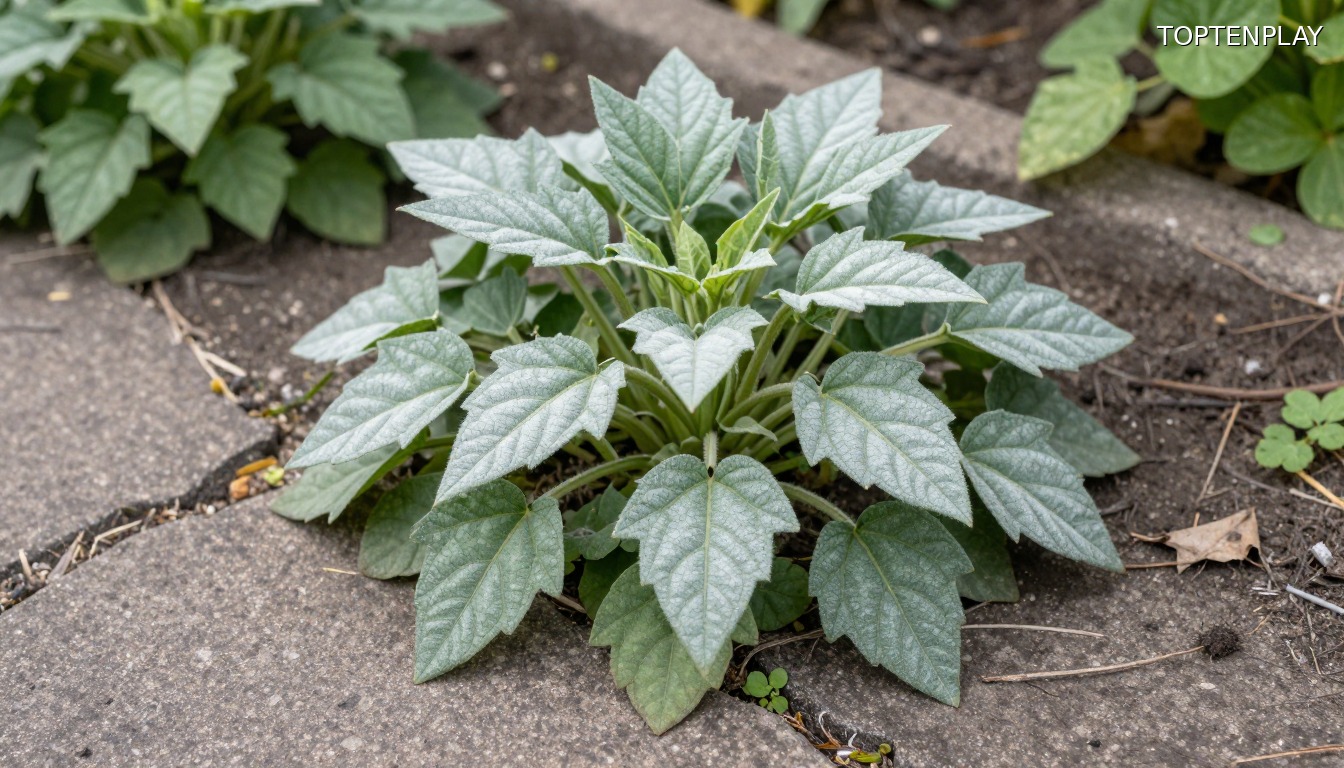
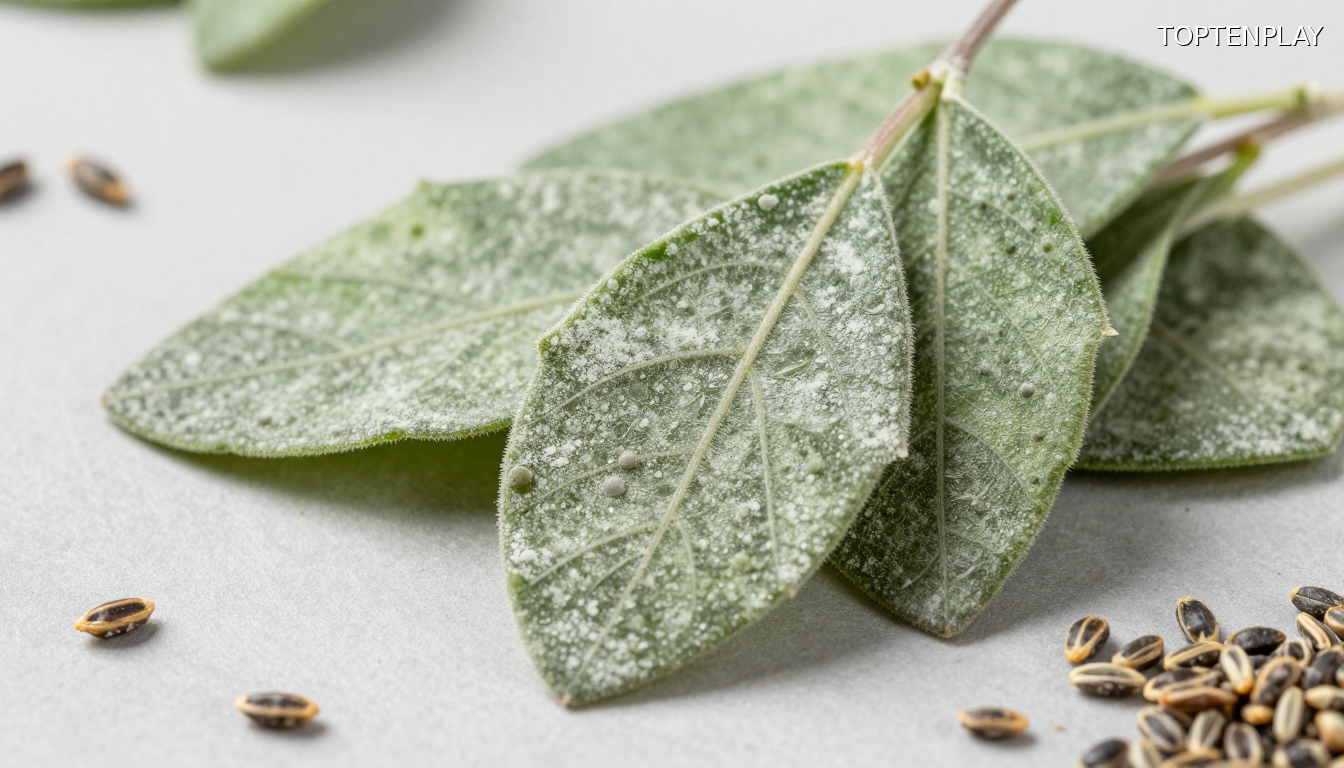
This unassuming plant reveals itself through distinctive diamond-shaped leaves dusted with a powdery white sheen, reaching heights of 30 to 150 centimeters without demanding water, fertilizer, or careful tending. A distant cousin to quinoa, it thrives wherever soil cracks between pavement or garden edges resist organized cultivation. While conventional agriculture ignores it, nature’s design speaks volumes about its resilience and nutritional density.
The plant’s history runs deeper than most realize. Ancient North American tribes deliberately cultivated Lamb’s Quarters, charring its seeds in ceremonial fires for survival through harsh seasons. European settlers discovered this same plant sustained them when harvests failed, turning it into a trusted ally during scarcity. This isn’t a newfangled superfood trend—it’s a legacy food carrying ancestral wisdom about real nutrition and self-sufficiency.
Today’s wellness industry peddles synthetic supplements and imported greens at premium prices, yet the answer to unstoppable energy and radiant skin grows freely where few think to look. Rediscovering Lamb’s Quarters means reconnecting with foods that sustained civilizations, challenging the narrative that health requires expensive purchases or exotic imports. This plant embodies the ultimate rebellion against processed solutions—raw, real, and waiting at your doorstep.
The Nutritional Arsenal That Outguns Kale
The science confirms what ancient wisdom always knew: Lamb’s Quarters delivers nutrition with a punch that conventional greens cannot match. Where spinach offers 2.9 grams of protein per 100 grams, Lamb’s Quarters crushes that benchmark with 4.2 grams—and crucially, all nine essential amino acids present in perfect balance. This complete protein profile means your muscles repair faster, your energy sustains longer, and your body builds strength without compromise.
The vitamin arsenal extends deeper. At 11,600 IU, its vitamin A content—primarily as beta-carotene—shields your eyes from digital strain while rebuilding collagen for skin that glows from within. Calcium hits 309 to 450 milligrams per serving, absorbing more efficiently than spinach’s bound minerals, fortifying bones against time’s relentless calculus. Iron ranging from 1.2 to 4.2 milligrams pairs with 80 milligrams of vitamin C, a synergy that transforms iron absorption and fuels relentless energy.
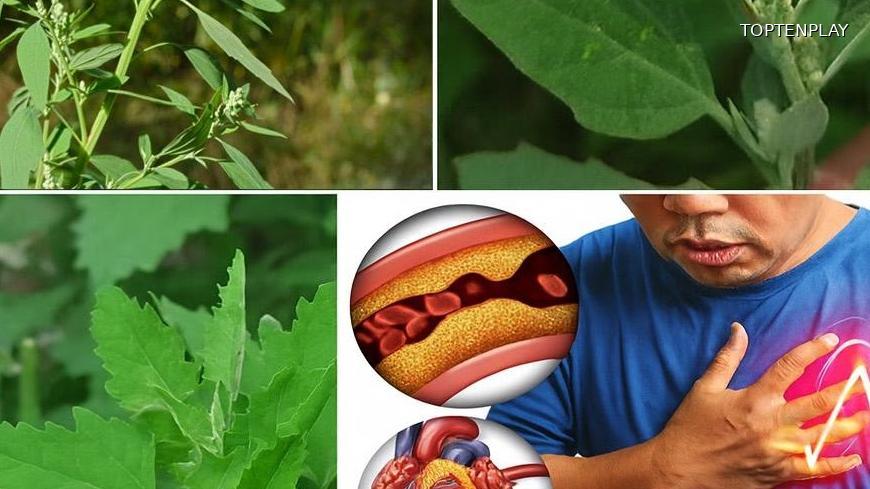
But the real revolution lies in compounds most greens neglect. Omega-3s in the seeds sharpen cognitive clarity, while flavonoids like quercetin combat aging at the cellular level. Betalains reduce inflammation quietly, soothing joints and hidden aches that drain vitality. Potassium lowers blood pressure naturally. Saponins balance cholesterol while supporting digestive harmony.
This isn’t marketing hype—it’s targeted nutrition addressing the specific struggles of modern life. Fine lines, weak immunity, brain fog, compromised digestion—Lamb’s Quarters responds to each with precision. The plant doesn’t just nourish; it restores what contemporary living depletes.
From Foraging To Fork: The Culinary Revolution
The nutritional promise means nothing if Lamb’s Quarters languishes in your backyard, untouched. The revelation: this wild superfood transforms into cuisine with effortless elegance. Young leaves deliver a mild spinach flavor kissed with earthy undertones, a taste that feels alive compared to hothouse monotony. Blanch for 30 to 90 seconds to tame oxalates, then sauté with garlic—the leaves vibrate emerald-green, ready to anchor any plate. Raw into salads, blended into smoothies, stirred into lentil stew: each preparation unlocks different dimensions of its nutritional intelligence.
The seeds deserve their own reverence. They cook like nutty quinoa for pilafs or grind into flour for rustic pancakes that fuel mornings with ancestral power. Ferment the leaves for probiotics that reshape your gut microbiome, or simmer them in broths for mineral-rich depth that mass-produced stocks cannot touch. This isn’t complicated alchemy—swap it for spinach and feel the difference immediately. Fresher. Wilder. Alive.
One plant yields handfuls weekly, regrowing relentlessly when you harvest young tips. Forage with intention: seek diamond leaves dusted with powdery sheen, avoid roadside patches where toxins accumulate, and confirm identification to dodge toxic mimics. Every pinched leaf becomes a small victory, a tangible reclamation of food sovereignty from soil to table. The thrill isn’t just culinary—it’s existential, transforming breakfast into rebellion against industrial food systems.
Safe Foraging And Smart Consumption Guidelines
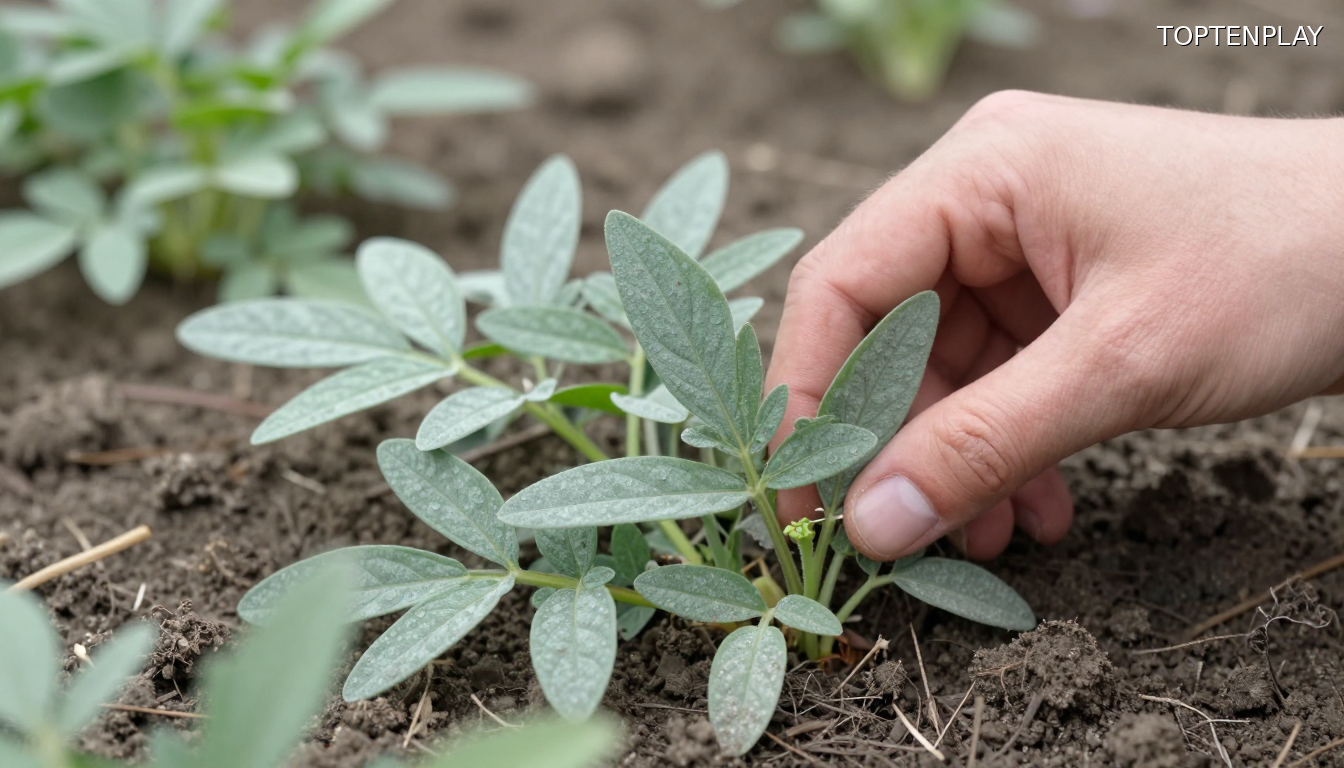
The thrill of harvest means nothing without wisdom guiding your hand. Identification becomes your first shield: seek diamond-shaped leaves dusted with powdery undersides, the signature that separates Lamb’s Quarters from toxic mimics lurking in similar forms. Pinch young tips from clean patches away from roadsides where heavy metals accumulate—one plant yields handfuls weekly, regrowing relentlessly when harvested with intention. This isn’t reckless foraging; it’s calculated reclamation.
Your body’s signals matter more than enthusiasm. If kidney stones haunt your history, introduce Lamb’s Quarters gradually while staying hydrated—oxalates diminish through cooking, taming concerns without eliminating this superfood’s power. For infants under six months, avoid shady patches where nitrate concentrations spike; after that threshold, cooking reduces saponins for those with sensitive digestion. Start slowly, listen closely, and consult healthcare professionals when uncertainty clouds judgment. This is about sustainable thriving, not forcing health through willpower alone.
The revolution isn’t about abandoning caution—it’s about reclaiming agency with eyes wide open. Every leaf you identify, every preparation you master, every benefit you feel becomes proof that nature’s gifts demand respect, not blind devotion. The real power lies in the marriage of ancient knowledge and modern awareness, transforming a backyard weed into your most intelligent health choice.