📌 Lamb tagine with prunes: how the sweet-savory marriage and 2 hours of simmering transform this Moroccan dish into a culinary experience
Posted 21 February 2026 by: Admin
Lamb Tagine With Prunes: A Treasure Of Moroccan Gastronomy
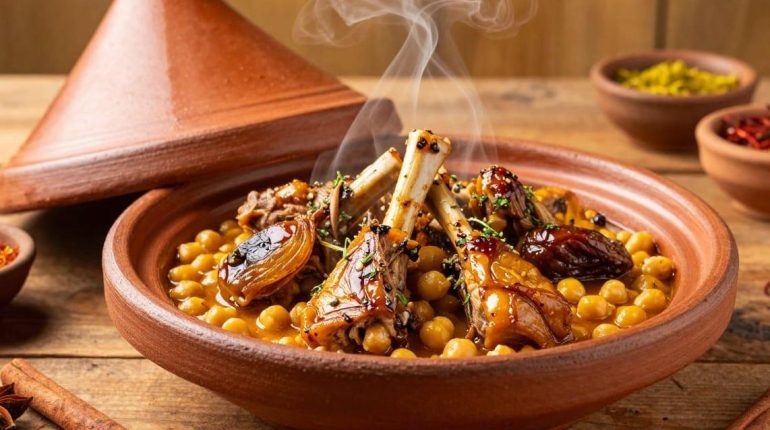
Lamb tagine with prunes embodies the excellence of traditional Moroccan cuisine, where the art of sweet-savory contrast reaches perfection. This great classic reveals a rare taste sophistication: the prunes bring a natural sweetness that harmonizes delicately with the meaty richness of the lamb, while the saffron diffuses its subtle and fragrant notes through every bite.
The true alchemy is born from slow cooking, which allows the warm spices—cinnamon, cumin, ginger—to release their deep aromas. This ancestral method transforms simple ingredients into a dish of remarkable complexity, where each flavor finds its place without ever dominating the others.
Beyond its taste qualities, this tagine represents the very essence of Moroccan conviviality. Designed to be shared around a generous table, it transforms every meal into a celebration. Whether for a family lunch or for entertaining guests, this dish naturally creates that warm atmosphere that characterizes North African hospitality.
This recipe, passed down from generation to generation, remains a staple of festive tables today, proof that true gastronomy knows no fleeting fashions.
A Generous Recipe For 4 To 6 Guests
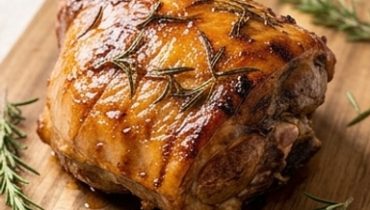
This Moroccan generosity is first reflected in thoughtful proportions: 1 kg of lamb shoulder or leg forms the main base, guaranteeing tender pieces that will fully absorb the flavors during the prolonged cooking. The choice between these two cuts subtly influences the final texture, with the shoulder offering a marbled tenderness while the leg provides firmer meat.
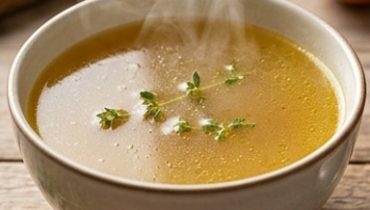
The sweet-savory duo is built around dried prunes and two tablespoons of honey, creating that iconic taste signature. Chickpeas bring not only a creamy texture and complementary protein but also a remarkable ability to capture the velvety sauce enriched by 35 cl of broth.
Saffron deserves special attention: its filaments infused in warm water gradually release their golden color and delicate fragrance, an inimitable olfactory signature that immediately distinguishes an authentic tagine. This precious spice, combined with cinnamon, cumin, and ginger, composes a balanced aromatic palette where no single note dominates.
With approximately 675 kcal per portion for a total time of 2h20, this dish fully embraces its nutritional richness. The 20 minutes of initial preparation then give way to 2 hours of slow cooking, a period during which patience becomes the secret ingredient that transforms these components into a memorable gastronomic experience.
The Cooking Technique In Five Mastered Steps
This taste transformation relies on a precise methodology where each phase plays a determining role. The initial searing of the lamb pieces over medium-high heat in hot olive oil is not just about browning: this coloring develops a fundamental aromatic complexity through the Maillard reaction, simultaneously sealing in the juices that will later enrich the sauce.
The aromatic awakening is the pivotal moment. The sliced onion cooks for 5 to 6 minutes until translucent, creating a natural sweet base before incorporating the garlic and spices. These 60 seconds of constant mixing with cinnamon, cumin, and ginger release the essential oils without charring, a crucial difference between a successful tagine and a version with bitter notes.
The prolonged simmering of 1h30 to 2h then transforms the muscle fibers into a melting texture. Covered and kept on low heat after adding the saffron broth, the vessel becomes a chamber where steam gradually tenderizes the meat while concentrating the flavors. This patience rewards: the lamb must fall apart at the simple pressure of a fork.
The final incorporation of chickpeas, prunes, and honey marks the decisive transition. The 15 to 20 minutes uncovered allow for controlled evaporation, thickening the sauce to that velvety consistency that generously coats every ingredient. The adjustment of seasoning and the final touch of fresh coriander then bring the definitive balance between depth and freshness.
Service And The Final Taste Experience
This meticulous preparation culminates in a presentation ritual that magnifies the sensory experience. Fresh coriander or chopped flat-leaf parsley, sprinkled just before bringing the dish to the table, are not mere ornaments: their vivid herbaceous notes counterbalance the velvety richness of the sauce, creating that contrast of freshness essential to the taste balance of the tagine.
The choice of accompaniment determines the tasting texture. Traditional couscous delicately absorbs the fragrant juice without weighing it down, while Moroccan bread allows for generously grabbing each piece of confit lamb. Fragrant rice offers a more neutral alternative, letting the warm spices express themselves fully. Whatever the chosen base, service must imperatively be done very hot to preserve the aromatic intensity developed during these long hours of simmering.
Each bite then reveals the layering of flavors: the natural sweetness of the prunes mingles with the melting lamb, enhanced by the fragrant subtlety of the saffron and the honeyed coating of the sauce. The chickpeas bring a creamy consistency that unifies the whole, while the spices distill their persistent warm notes in the background.
This taste alchemy transcends the simple recipe to become a true sensory journey. Around this generous dish, conversations and sharing are woven, perpetuating this millennial tradition of the meal as a moment of communion, where Moroccan gastronomy reveals its full capacity to gather and enchant the most demanding palates.