📌 Lamb shank cassoulet: how this misunderstood cut of the leg transforms the traditional dish into an ultra-melting version
Posted 27 March 2026 by: Admin
The Origin and Modernity of a Great French Classic
Cassoulet is among the pillars of French gastronomy, rooted in the traditions of the Southwest for centuries. Duck confit, Toulouse sausage, and white beans make up its canonical recipe, passed down from generation to generation in the kitchens of Toulouse and Castelnaudary.
Yet, this culinary institution is not set in stone. The lamb shank version perfectly illustrates how a heritage dish can evolve without betraying its original spirit. This cut located at the bottom of the leg has a sought-after characteristic: exceptional tenderness after prolonged simmering, which distinguishes it from traditionally used meats.
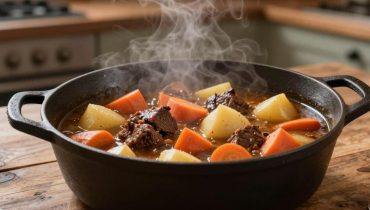
This modern adaptation respects the fundamentals of cassoulet – slow cooking, white beans, fragrant broth – while bringing a different depth of flavor. The lamb shank falls apart with a fork after three hours of gentle cooking, releasing round and generous flavors into the broth.
Ideal for family meals and special occasions, this revisited cassoulet perpetuates the convivial essence of the original dish. It proves that innovation and tradition can coexist harmoniously in the same pot, transforming a regional classic into a contemporary culinary experience without losing the comforting soul that has made its reputation for decades.
The Recipe Decoded: Essential Ingredients and Techniques
Mastering this cassoulet requires meticulous preparation. For four people, four lamb shanks form the meat base, accompanied by 400 grams of dried white beans, two carrots, one onion, two garlic cloves, a celery stalk, a can of crushed tomatoes, and 50 centiliters of chicken broth.
Soaking the beans for twelve hours is the essential preliminary step. This overnight immersion guarantees even cooking and prevents the legumes from remaining hard despite simmering. Neglecting this phase irremediably compromises the final texture of the dish.
The initial searing of the lamb shanks determines the aromatic depth of the cassoulet. Eight to ten minutes over high heat in olive oil is enough to brown each side, creating a caramelization that considerably enhances the taste. This step, often rushed, deserves your full attention.
Once the vegetables are sautéed and the tomatoes incorporated, the slow cooking begins: two and a half to three hours over low heat, pot covered. This prolonged simmering gradually transforms the meat fibers into a melting texture that detaches effortlessly.
The final rest of fifteen minutes before serving allows the flavors to harmonize fully. This post-cooking break, rarely respected due to impatience, makes all the difference between a correct cassoulet and an exceptional one.
The Secrets of Perfect Execution
This resting stage reveals a fundamental principle: slow cooking is the only guarantee of melting meat. Rushing the simmering condemns the fibers to remain firm, transforming a refined dish into a disappointing experience. Patience is a cardinal virtue.
The initial browning, already mentioned, deserves additional precision. This caramelization is not just for aesthetics: it develops complex aromatic compounds through the Maillard reaction. Sacrificing this step deprives the cassoulet of its characteristic depth of flavor.
Salting requires particular caution. Chicken broth already contains salt, as do crushed tomatoes. Seasoning generously from the start risks producing an inexorably salty dish. It is better to adjust at the end of cooking, when the flavors have concentrated.
Some chefs add a glass of white wine during the aromatic phase, creating a subtle acidity that balances the richness of the dish. Fresh thyme and a homemade broth also amplify the complexity without significant extra effort.
Four errors systematically compromise the result: neglecting the soaking of the beans, accelerating the cooking, over-salting prematurely, and abandoning supervision. These oversights transform an accessible recipe into a frustrating culinary failure. Respecting these safeguards guarantees a cassoulet worthy of the best French family tables.
A Generous Dish with Many Faces
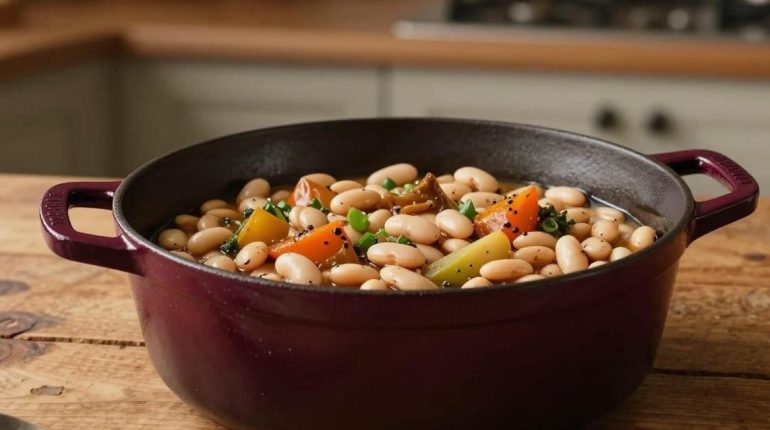
At the end of this meticulous cooking, the lamb shank cassoulet reveals a remarkable tripartite texture: meat that falls off the fork, melting beans soaked in juice, and a velvety sauce concentrating all the aromas. This harmony justifies the three hours invested.
Adaptability is, however, the misunderstood asset of this dish. The duck version substitutes the lamb with confit, creating a more traditional variant. The addition of chili transforms the experience into a spicy register. For tight schedules, canned beans drastically reduce preparation time without compromising the essentials. A few extra sausages further enrich the indulgence.
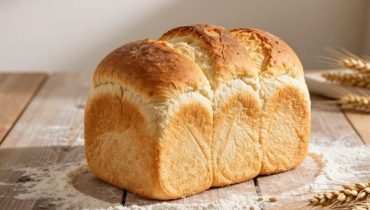
These variations never alter the convivial character of cassoulet, the perfect embodiment of French family cooking. Served with rustic bread for generous dipping, a green salad for freshness, or grilled vegetables to counterbalance the richness, it makes a complete meal.
The practical dimension reinforces its appeal: three days storage in the refrigerator, reheating over low heat preserving tenderness, freezing possible to anticipate future meals. With 600 calories and 40 grams of protein per portion, this substantial dish nourishes both body and soul, transforming every table into a celebration of shared time and French fine eating.