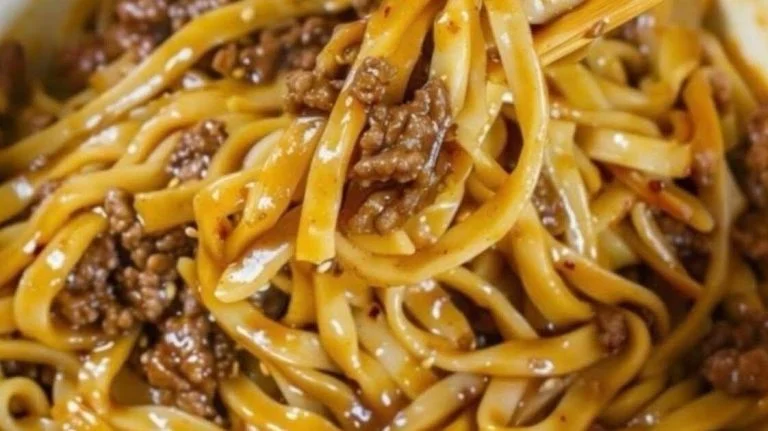
We often think of Korean bowls as a restaurant thing, with a mysterious sauce and a list of hard-to-find ingredients. In reality, this Korean beef rice bowl is mostly about a good hot pan, a well-balanced sauce, and rice that soaks it all up. It’s clean, efficient comfort food: hot, salty-sweet, a little spicy, and truly comforting.
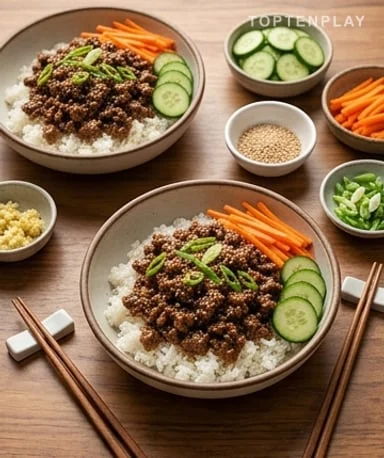
The beef becomes shiny, almost lacquered, when the soy sauce, brown sugar, sesame, and gochujang cling to the meat. Garlic and ginger hit your nose quickly, with that warm smell that makes you hungry before the rice is even in the bowl. On top, the carrots and cucumbers break up the tenderness with fresh crunch. Each bite has that simple contrast: tender rice, juicy meat, deep sauce, crisp vegetables.
Why you’ll love this recipe
Ingredient Notes
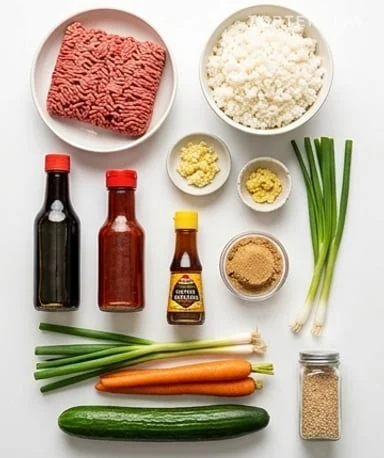
Ground beef, garlic, ginger, soy sauce, gochujang, and rice: nothing complicated, but every ingredient counts.
- Ground beef : It gives the bowl its tender, generous side, especially when well browned before adding the sauce. Choose beef that’s not too fatty, around 10% fat if possible, or substitute with ground turkey for a lighter version.
- Gochujang : This Korean chili paste adds depth, gentle heat, and a savory fermented note. Start with a small amount if you’re unfamiliar, then add more after cooking if you want a redder, spicier sauce.
- Soy sauce : It seasons the dish and provides umami that intensifies the beef. Use low-sodium soy sauce if you want more control, or tamari for a gluten-free alternative.
- Garlic and ginger : They wake up the whole dish with a warm, pungent, and fresh aroma. Use fresh if possible, and cook only one to two minutes to avoid bitterness.
- Toasted sesame oil : Used in small amounts, it perfumes the entire sauce with a nutty, toasted note. Don’t overdo it: a few drops too many can overwhelm the garlic, ginger, and gochujang.
- Rice and crunchy vegetables : The rice serves as a soft base that absorbs the shiny beef juices. Carrots and cucumbers add freshness and crunch; you can also use shredded cabbage or steamed edamame.
Brown the beef well before thinking about the sauce
Start by heating the pan properly, then add the ground beef and let it really color. If you stir constantly from the start, it releases juice and turns gray, but we want little browned pieces with a grilled meat smell. Drain excess fat if needed, because a greasy sauce slides to the bottom of the bowl instead of coating the rice. When the beef sizzles more gently and the edges brown, you have the right base for a comforting bowl.
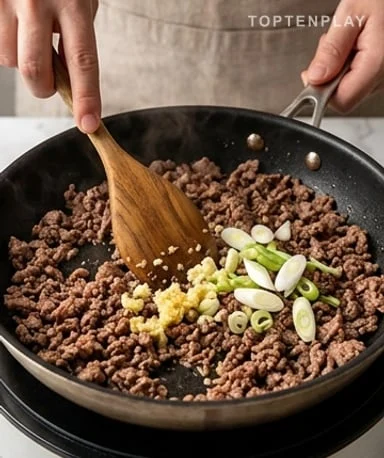
Add garlic and ginger without burning them
Once the beef is cooked, add garlic, ginger, and the white parts of green onions directly to the pan. Stay attentive: in one minute, the aroma becomes sharp, warm, almost lemony from the ginger. If you add them too early, they burn while the meat cooks and leave a dry bitterness. The right moment is when they perfume the whole kitchen but remain light and tender.
Let the sauce become shiny, not watery
Pour in soy sauce, brown sugar, gochujang, sesame oil, and a little water, then stir to loosen the browned bits from the pan. The sauce should simmer gently and become darker, shinier, like a light glaze on each piece of beef. If it seems too thick, add a spoonful of water; if too thin, let it reduce another minute. Taste before serving, because gochujang varies a lot by brand: some are mild and round, others saltier and spicier.
Assemble the bowl with warmth and crunch
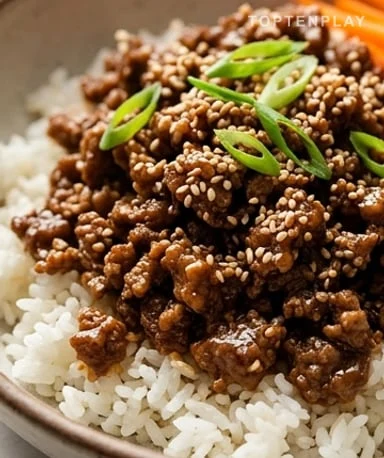
First place the hot rice, then the beef on top so the sauce drips down between the grains. You should see the rice absorbing some juice at the edges without becoming soggy. Then add carrots, cucumbers, sesame seeds, and green onion tops for texture. The bowl works because it contrasts the warm tenderness of the meat with the fresh crunch of vegetables.
Store leftovers without losing texture
To keep this dish pleasant the next day, store beef and rice separately if possible. The beef retains its flavor better when reheated with a splash of water, because the sauce becomes supple and shiny again instead of drying out. Rice prefers to be reheated separately to regain a tender texture. Keep cucumbers and carrots raw until the last moment: their fresh crunch makes all the difference.
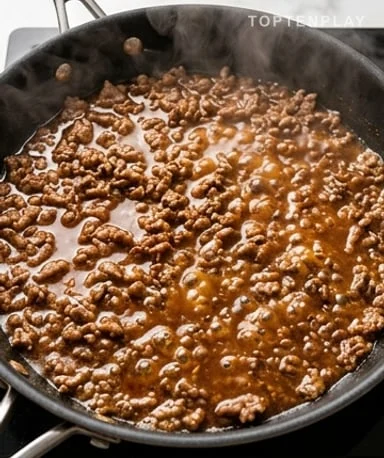
Tips & Tricks
- Don’t overcrowd the pan, because the beef needs to sear and brown; if it sits in its juice, the sauce will have less depth.
- Start gently with gochujang, as its strength varies by brand; you can always add more, but you can’t remove the heat once mixed.
- Add sesame oil with the sauce rather than in large quantity at the start, because its toasted flavor is powerful and can quickly dominate the dish.
- Add fresh vegetables at the very last moment, because the contrast between hot meat, tender rice, and crunchy cucumber makes the bowl much more vibrant.
Can I prepare this Korean beef bowl in advance?
Yes, the saucy beef keeps well up to 4 days in the refrigerator. Keep the rice and raw vegetables separate to avoid a soggy bowl.
How can I make the recipe less spicy?
Reduce the gochujang to 1 teaspoon and add a bit more cucumber when serving. You can also slightly increase the brown sugar to round out the heat.
What can I substitute for gochujang?
Sriracha or sambal can work in a pinch, though the taste will be less deep and less fermented. Start with a small amount, then adjust after cooking.
What rice should I use for this bowl?
White jasmine or short-grain rice works great, as it absorbs the sauce without stealing the spotlight from the beef. Brown rice also works but will give a firmer texture and more rustic taste.
Can I replace the ground beef?
Yes, ground turkey works very well for a lighter version. Just watch the cooking, as it dries out faster than beef.
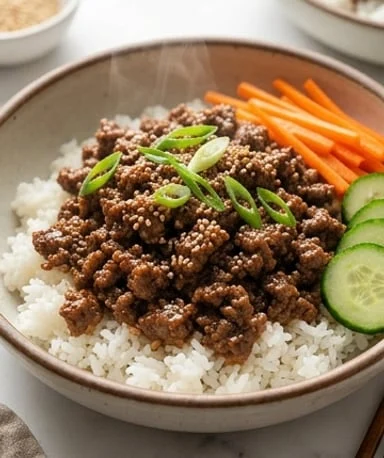
Korean Beef Rice Bowl
Korean
Main course
A warm and comforting bowl with ground beef coated in a soy, sesame, garlic, ginger, and gochujang sauce, served over rice with crunchy vegetables.
Ingredients
- 450g lean ground beef
- 4 garlic cloves, minced
- 2 tsp fresh minced ginger
- 2 tsp toasted sesame oil
- 2 tbsp soy sauce
- 2 tbsp brown sugar
- 1 1/2 tbsp gochujang
- 2 tbsp water
- 4 green onions, sliced, whites and greens separated
- 600g cooked hot rice
- 2 tsp toasted sesame seeds
- 100g julienned carrots
- 120g thinly sliced cucumber
Instructions
- 1Heat a large pan over medium-high heat, then brown the ground beef until no pink remains.
- 2Drain excess fat so the sauce clings better to the meat.
- 3Add garlic, ginger, and the white parts of green onions, then cook 1-2 minutes, stirring, just until fragrant.
- 4Add sesame oil, soy sauce, brown sugar, gochujang, and water.
- 5Simmer for 2-3 minutes, until the sauce thickens slightly and coats the beef well.
- 6Divide the hot rice among 4 bowls, then top with the saucy beef.
- 7Finish with green onion tops, sesame seeds, carrots, and cucumber slices.
- 8Serve immediately, while the beef is hot and the vegetables remain crunchy.
Notes
• For a milder version, reduce gochujang and add more cucumber when serving.
• For a saucier dish, add 2-4 tbsp water and let it reduce until shiny.
• Ground turkey can replace beef, but avoid overcooking to keep it moist.
• Leftovers keep up to 4 days in the fridge, ideally with rice and vegetables stored separately.
Nutrition Facts (per serving, estimated)
| 520 kcalCalories | 29gProtein | 58gCarbs | 19gFat |