📌 Kidney stones: hydration and dietary calcium more effective than restrictive diets
Posted 26 February 2026 by: Admin
Hydration: The Absolute Key To Prevention
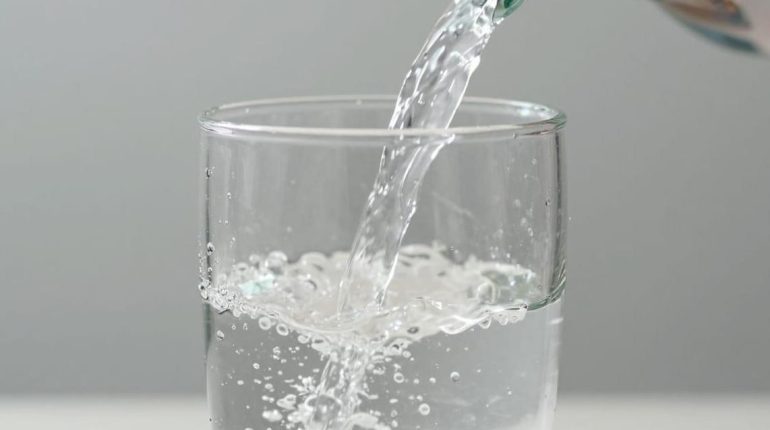
Water represents the most powerful protective factor against kidney stones. This scientific finding is based on a simple mechanism: when minerals and waste products in the urine reach too high a concentration, they crystallize and form stones. Sufficient hydration dilutes these substances and flushes them out before they solidify.
The verification method is immediate. Clear or pale yellow urine indicates adequate hydration. A dark yellow color signals a fluid deficit. This visual rule allows you to adjust your water consumption in real time, without waiting for symptoms of thirst, which occur too late.
The daily goal is between 2 and 3 liters, or 8 to 12 glasses spread throughout the day. This amount increases in case of hot weather, physical exercise, or heavy sweating. The key lies in regularity: drinking small amounts at frequent intervals is more effective than large volumes concentrated in a few moments.
Clinical data confirm that most kidney stones could be avoided by proper hydration. This simple habit, accessible to all, drastically reduces the risk of crystal formation. However, water alone is not enough: certain everyday foods silently compromise this preventive work.
Hidden Dietary Traps That Promote Stones
Hydration protects, but certain foods silently sabotage this work. Salt is the first unrecognized danger. Every gram of excess sodium increases the amount of calcium excreted in the urine, creating a fertile ground for crystallization. Yet, the visible salt on the table represents only a fraction of the problem: processed foods, ready meals, canned goods, and fast food are full of it. A portion of canned soup can contain up to 70% of the recommended daily intake.
Animal proteins consumed in excess also disrupt urinary balance. Red meat, organ meats, and certain seafood raise uric acid levels while reducing citrate, a substance that naturally prevents stone formation. Balance is paramount: integrating plant proteins like legumes and limiting meat portions stabilizes urinary chemistry.
Sugary drinks and sodas worsen the risk through a double mechanism. They change the composition of urine by increasing calcium loss, while promoting dehydration. Colas, in particular, have shown a direct link to the increased incidence of kidney stones.
A persistent belief remains: avoiding calcium would prevent stones. This is false. Dietary calcium binds oxalate in the intestine, preventing its absorption and concentration in the urine. Eliminating dairy products, sardines, or green vegetables paradoxically increases the risk. The solution lies not in avoidance, but in choosing the right protective nutrients.
Nutritional Allies For Protected Kidneys
While some foods weaken the kidneys, others act as true shields. Dietary calcium represents the first beneficial paradox. Contrary to popular belief, dairy products, sardines with bones, almonds, and green leafy vegetables do not cause stones: they capture oxalate in the intestine before it reaches the urine. This intestinal binding mechanism explains why a sufficient intake of natural calcium actually reduces the risk.
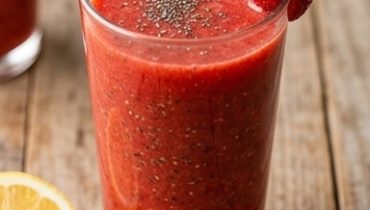
Fruits and vegetables exert a double protective action. They decrease urinary acidity while stimulating the production of citrate, a natural crystallization inhibitor. Citrus fruits occupy a privileged place in this category: lemons, oranges, limes, and grapefruits significantly increase citrate levels. Lemon water, recommended by many nephrologists, is a simple and scientifically validated strategy.
The visual rule of the half-vegetable plate transforms this knowledge into concrete action. At each meal, filling half of your plate with varied fruits and vegetables ensures a constant supply of protective compounds, fiber, and antioxidants that support overall kidney function.
Dietary balance, however, does not stop at selecting the right nutrients. Daily habits, often neglected, complete this natural defense system and determine the durability of kidney protection.
Lifestyle Habits That Make The Difference
Beyond dietary choices, certain daily actions directly influence urinary chemistry. Maintaining a healthy weight is a major preventive lever: excess weight increases uric acid and calcium excretion, two factors that promote crystallization. There is no need to aim for extreme diets. Gradual adjustments – controlling portions, prioritizing unprocessed foods, walking regularly – are enough to lighten the metabolic load imposed on the kidneys.
An apparently harmless gesture deserves special attention: never holding your urine for too long. This stagnation prolongs the contact between minerals and urinary walls, creating an environment conducive to the formation of microscopic crystals. Systematically responding to the urge to urinate allows for the regular evacuation of substances before they aggregate.
For people at risk, moderation of oxalate-rich foods – spinach, beets, chocolate, nuts – is necessary without total elimination. The essential thing is to consume them in moderation and, ideally, accompanied by sources of calcium that neutralize their effect.
The personalization factor becomes critical for anyone who has already developed stones. Calcium oxalate, uric acid, struvite, or cystine: each type requires specific dietary adjustments. Individualized medical follow-up, including urine analysis and targeted recommendations, transforms generic prevention into a tailor-made strategy. Kidney stones are never a matter of chance but result from repeated habits. Changing these habits means taking back control.