📌 Kalanchoe pinnata: this garden plant treats 20 different ailments according to traditional medicines
Posted 26 February 2026 by: Admin
The Miracle Plant Growing In Your Garden
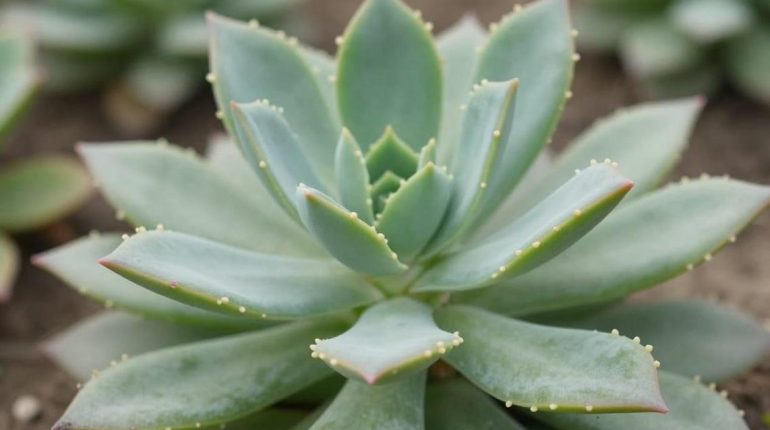
In the shadow of the flowerbeds and at the turn of the paths, an extraordinary medicinal plant thrives discreetly, ignored by most gardeners. Kalanchoe pinnata, known by the names Leaf of Life, Miracle Plant, or Goethe Plant, conceals beneath its modest appearance a therapeutic arsenal that traditional medicines worldwide have exploited for centuries.
This succulent possesses a unique botanical characteristic: miniature plantlets develop spontaneously along the edges of its fleshy leaves, fall to the ground, and take root immediately. This prodigious reproductive capacity earned it its nickname “Plant of Life,” but its true value lies elsewhere.
In Africa, Asia, the Caribbean, and South America, traditional healers cultivate it as a first-line natural remedy. Its thick leaves contain active compounds that local populations use to treat inflammation, respiratory infections, kidney disorders, and digestive problems. Far from being a mere horticultural curiosity, this resilient plant embodies generations of empirical knowledge passed down orally.
What many consider an unpretentious ornamental plant actually represents one of the most underestimated medicinal treasures of contemporary gardens. Modern science is only beginning to document what ancestral traditions have long claimed: some powerful remedies grow within reach, waiting to be rediscovered.
20 Therapeutic Benefits Validated By Tradition
Traditional medicines attribute a remarkably broad spectrum of therapeutic action to the Leaf of Life. The inventory of its uses reveals a plant capable of acting simultaneously on several major physiological systems.
On the respiratory level, it stands out as a natural expectorant: herbal teas prepared from its leaves facilitate the evacuation of mucus, relieve persistent coughs, and help clear obstructed airways. People suffering from asthma traditionally consume it for its bronchodilatory properties.
The renal sphere also benefits from its action. Herbalists prescribe it to dissolve kidney stones and stimulate urinary function. This reputation extends to the digestive system: it is said to protect the gastric mucosa against ulcers, regulate intestinal transit, and soothe digestive inflammation.
Its antioxidant compounds strengthen the immune system while its anti-inflammatory properties relieve joint and muscle pain. In external application, crushed leaves accelerate wound healing, reduce swelling, and neutralize itching caused by insect bites.
Tradition also recognizes its antibacterial and antifungal properties, a detoxifying action on the liver, regulatory effects on blood pressure and the menstrual cycle, as well as a soothing power promoting sleep. In dermatological use, it treats acne and skin irritations.
This therapeutic versatility explains why so many cultures have integrated this plant into their domestic pharmacopoeia. It remains to be seen how to transform these leaves into concrete remedies usable in daily life.
7 Methods For Home Use
The conversion of this plant pharmacopoeia into concrete remedies requires precise protocols. Each preparation method corresponds to specific therapeutic indications, validated by centuries of oral transmission.
For general internal use, herbal tea remains the preferred method: two to three washed, cut mature leaves boiled for five to ten minutes in two cups of water. This preparation, filtered and consumed lukewarm once or twice a day, treats coughs, fever, digestive disorders, and supports kidney function.
More stubborn conditions – gastric ulcers, chronic asthma, menstrual discomfort – require concentrated fresh juice. Blend two to three leaves with a quarter cup of water, filter carefully, and take a tablespoon on an empty stomach. This galenic form delivers a maximum concentration of active principles.
In external application, the poultice is essential for wounds, burns, joint inflammation, and stings: crush fresh leaves into a paste, apply to the affected area, cover with clean gauze, and leave for at least thirty minutes.
Steam inhalation decongests bronchi and sinuses: boil a handful of leaves, then breathe the steam for five to ten minutes under a towel. Gargling with cooled herbal tea soothes an irritated throat and mouth ulcers.
For skin problems, the facial mask combines fresh leaf pulp, honey, and aloe vera gel: fifteen minutes of application is enough. Finally, a teaspoon of juice diluted in lukewarm honeyed water, drunk thirty minutes before bedtime, promotes restful sleep.
These traditional dosages apply strictly to healthy adults. Any prolonged use requires professional supervision, as even the most beneficial natural remedies require discernment and moderation.
Precautions And Responsible Use
This therapeutic power imposes proportional vigilance. Moderation is the first line of defense: no prolonged use without qualified supervision, as the bioactive compounds of Kalanchoe, beneficial as they may be, can disrupt certain metabolic balances in the long term.
Three profiles require an imperative prior medical consultation: pregnant or breastfeeding women, people under chronic treatment (anticoagulants, antidiabetics, immunosuppressants), and those suffering from advanced heart or kidney pathologies. Plant-drug interactions remain poorly documented, hence the need for professional advice.
Harvesting hygiene conditions effectiveness: use exclusively mature leaves, free of spots or mold, washed with clean water. Avoid specimens treated with pesticides or grown by the roadside. Freshness guarantees the optimal concentration of active principles – withered leaves lose their properties.
Therapeutic positioning must remain clear: the Leaf of Life works as a supportive complement, never as a substitute for an established medical diagnosis or treatment. A persistent cough, confirmed kidney stones, or an infected wound require conventional care.
Ancestral remedies work best when integrated into a global approach to health – balanced diet, sufficient hydration, adequate rest. This discreet plant reminds us that nature often places its most effective answers within reach, provided they are approached with respect and discernment. True healing begins with the responsible knowledge of what grows under our windows.