📌 Kalanchoe pinnata: 4 homemade preparations to naturally soothe respiratory tracts, muscle tension, and heaviness
Posted 25 December 2025 by: Admin
Kalanchoe Pinnata: A Millennial Plant at the Heart of Wellness Traditions
In the world of traditional medicinal plants, certain species cross centuries without ever losing their status as a botanical treasure. Kalanchoe pinnata is among these exceptional plants. Known as the “leaf of life,” “air plant,” or “bryophyllum” depending on the region, this specimen native to tropical areas embodies what herbalists call a “living pharmacy.”
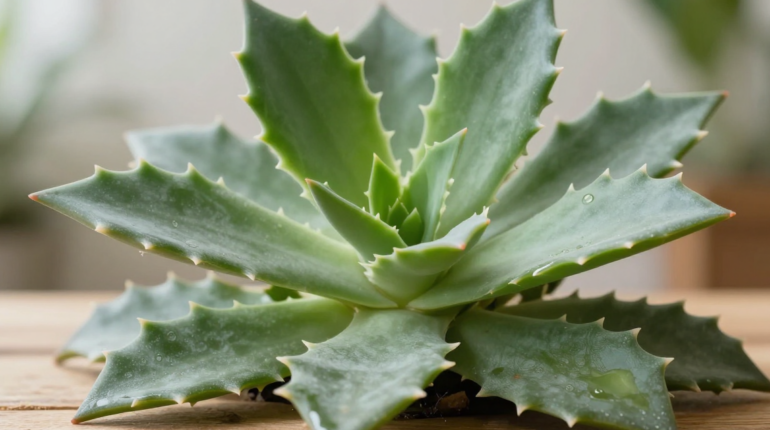
Its visual recognition poses no difficulty: thick and fleshy leaves, true water reservoirs capable of withstanding the most arid climates. This morphological adaptation testifies to a natural resilience that fascinates botanists as much as practitioners of ancestral medicine. But beyond this remarkable plant architecture, Kalanchoe owes its centuries-old reputation to its traditional applications in supporting daily well-being.
From the plateaus of Africa to the Pacific archipelagos and Latin American communities, this plant holds a prominent place in popular pharmacopoeias. Successive generations have integrated it into their body comfort rituals, not as a medical remedy, but as a natural ally against small daily imbalances. A fundamental distinction that defines its use: to accompany, never to replace professional care.
Three Traditional Uses for Daily Comfort
This natural resilience of Kalanchoe translates concretely into three areas of application passed down from generation to generation. Traditional communities have identified specific uses for common bodily discomforts, always in a logic of support rather than curative treatment.
The first use concerns respiratory comfort. Infusions of fresh leaves, prepared with hot but not boiling water, are traditionally consumed to soothe seasonal irritations and facilitate breathing during periods of discomfort. This gentle preparation is part of the practices of many tropical cultures, where Kalanchoe is considered an ally during temporary respiratory episodes.
The second area relates to water retention. In folkloric knowledge, Kalanchoe possesses mild diuretic properties, sought after to alleviate the feeling of heaviness in the legs and ankles. This application reflects an empirical approach to body drainage, observed and refined over centuries without formal scientific validation.
Finally, external use as a compress targets muscle and joint comfort. Crushed leaves, applied directly to tense areas after physical effort, are reputed to promote local relaxation. This topical method perfectly illustrates the traditional philosophy: using available plant resources to accompany the body in its natural recovery, without therapeutic pretension.
Four Homemade Preparations from Ancestral Knowledge
These principles of bodily accompaniment take shape in traditional recipes passed down orally, now documented to preserve this botanical heritage. Four preparations stand out for their simplicity and their roots in family practices.
The gentle infusion remains the most widespread method for respiratory comfort. It requires three carefully washed fresh leaves, cut into pieces, then infused in 300 ml of hot water for ten minutes. A spoonful of honey can soften the natural bitterness. Traditions recommend a lukewarm cup morning and evening, for short periods only, never for continuous use.
The crushed leaf compress targets muscle and lower back tension. Four to five leaves crushed into a paste are applied directly to the affected area, covered with a clean cloth for thirty to forty minutes. This external application, limited to once or twice daily, is part of post-effort recovery rituals.
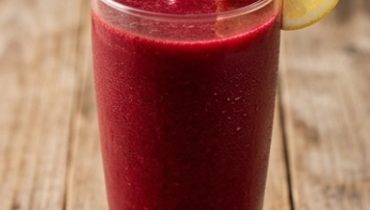
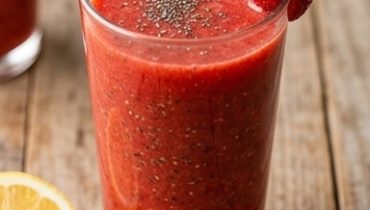
For occasional use, the green detox drink mixes two Kalanchoe leaves, a piece of pineapple, and half a cucumber, blended until a smooth texture is obtained. This preparation is consumed two to three times a week maximum, preferably in the morning, in a logic of gentle cleansing and not intensive elimination.
Finally, the traditional honey syrup combines the juice extracted from five crushed leaves with 250 ml of raw honey and the juice of one lemon. Stored in a dark glass bottle in the refrigerator, it is taken at a rate of one teaspoon every four to six hours, for short periods. This preparation illustrates the plant synergy sought in folk medicine, combining the soothing properties of honey with the calming action of Kalanchoe for throat comfort.
Home Cultivation and Responsible Integration into a Natural Lifestyle
These artisanal preparations take on their full meaning when the plant grows in immediate proximity, accessible in all seasons. Cultivating Kalanchoe in a pot or in the garden offers undeniable practical advantages: minimal maintenance, infrequent watering thanks to its water retention capacities, rapid growth even in modest conditions. Its ornamental aesthetics also make it a popular decorative element, transforming every windowsill into a living plant reserve.
This domestic autonomy has nourished, in many cultures, the idea of a family “green first aid kit.” Kalanchoe occupies a strong symbolic place there, embodying the possibility of immediate natural support for minor daily discomforts. This vision is part of a broader movement of reconnection to traditional knowledge and gentle appropriation of plant resources.
However, this accessibility must never mask the intrinsic limits of any traditional approach. The use of Kalanchoe requires moderation, awareness, and respect for the transmitted dosages. It in no way constitutes an alternative to medical diagnoses or treatments prescribed by health professionals. For any persistent symptom, any chronic pathology, or any situation requiring clinical evaluation, medical consultation remains imperative.
Kalanchoe pinnata thus represents a natural lifestyle supplement rooted in collective heritage, never a therapeutic substitute. Its responsible integration assumes rigorous education, humility in the face of the plant’s limits, and constant vigilance regarding the signals sent by the body.