📌 Kaffir Lime: this bumpy zest at €24/kg that replaces three spices at once in your dishes
Posted 2 January 2026 by: Admin
Discovering Kaffir Lime: The Multi-Faceted Exotic Citrus
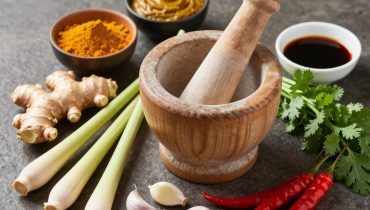
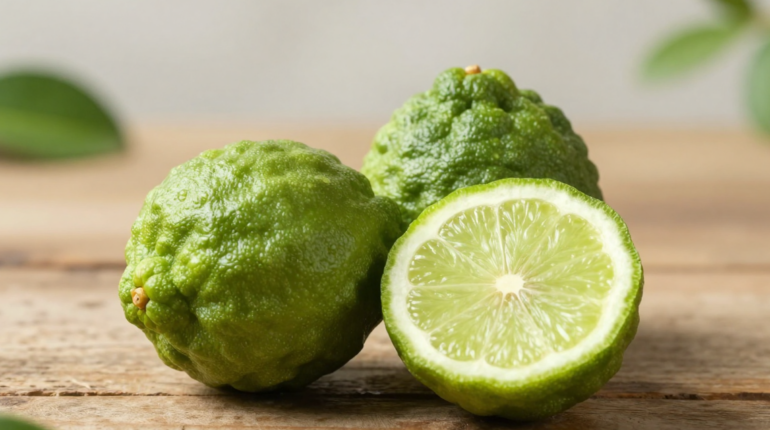
Originally from Indonesia, the kaffir lime intrigues with its singular appearance. Its bright green bumpy skin immediately distinguishes it from other citrus fruits. But it is above all its aromatic profile that makes it unique: its fruity and lemony taste, slightly bitter and refreshing, simultaneously evokes lemongrass, ginger, and coriander. Unlike the lime it physically resembles, the kaffir lime offers a significantly higher aromatic intensity that surprises uninitiated palates.
Finding this little culinary treasure, however, requires some effort. Asian grocery stores are the best starting point, although some supermarkets now offer it in the exotic fruit section. Fresh, frozen, or powdered, it comes in various forms. When buying, choose a firm fruit, without bruises, with an intense and vivid color. The price reflects its rarity: expect to pay around €24 per kilo, or between €1.50 and €2.50 per piece.
Once acquired, this small bumpy citrus fruit keeps for up to two weeks in the refrigerator’s vegetable drawer. This shelf life allows for the gradual exploration of its multiple culinary uses, from zest to leaves, without waste. Because everything is good in the kaffir lime, provided you master the appropriate techniques to fully reveal its powerful aromas.
Nutritional Virtues and Precautions for Use
Beyond its aromatic qualities, the kaffir lime has a remarkable nutritional profile. With only 20 kcal per 100 g, this citrus fruit is an excellent source of flavonoids and vitamin C, two powerful antioxidants that fight skin aging and strengthen immune defenses. Its contribution of essential minerals – calcium, potassium, and magnesium – completes this advantageous nutritional picture.
However, one reality tempers this enthusiasm: the sparing use of kaffir lime in cooking considerably limits its real impact on health. A few zests or drops of juice are generally enough to flavor a dish, making the nutritional contribution almost negligible in daily practice.
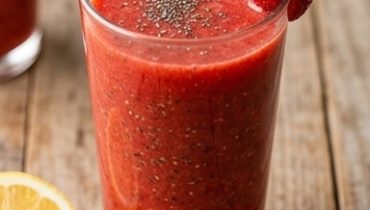
More importantly, a precaution is necessary regarding its juice. Its extreme acidity strictly prohibits any pure consumption, at the risk of inflaming the palate and stomach. Dilution in water or mixing with other ingredients is mandatory. A few drops are more than enough to spice up a detox drink or a smoothie, thus transforming what could be a gustatory aggression into a subtle refreshing touch. This characteristic intensity therefore requires thoughtful and measured use to get the best culinary results.
Kaffir Lime Zest: The Star Ingredient of Culinary Creations
This characteristic intensity finds its noblest expression in the zest, the true aromatic treasure of the kaffir lime. The flesh, too acidic to be consumed alone, willingly gives way to this part which concentrates all the fragrances of the citrus fruit.
Extraction requires a precise technique: a Microplane grater allows you to extract only the colored surface of the zest, avoiding the bitter white part underneath. A pinch is enough to radically transform a dish.
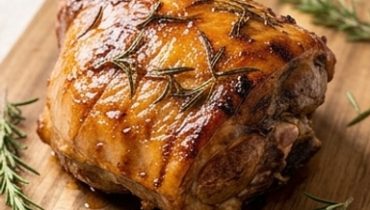
On the savory side, the zest sublimates sea bream carpaccio, salmon steak, and seared prawns. Wok-sautéed vegetables, poultry, and white meats reveal unsuspected dimensions under its influence. In Asian and Reunion cuisines, it flavors broths, marinades, tomato rougail, and fish in sauce. A fresh cream sauce becomes memorable with a few shavings of this small citrus fruit.
Sweet applications rival in inventiveness: airy mousses, enhanced chocolate ganaches, lemony cheesecake, or a simple yogurt cake gain in character. On a fresh fruit salad, the zest brings that touch of originality that makes the difference.
Mixologists are not mistaken: a few zests in a gin or rum cocktail transform an ordinary drink into a sophisticated creation. The rule remains unchanged: parsimony and precision guarantee the perfect balance between aromatic power and gustatory harmony.
Leaves and Powder: Exploiting All the Resources of Kaffir Lime
This philosophy of reasoned use naturally extends to the leaves, too often neglected even though they harbor remarkable aromatic potential. Far from being waste, they deserve a prime place in the culinary repertoire.
Before integrating them into a preparation, you should crumple or tear the leaves to release their essential oils. Slipped into a soup, the cooking water for rice or pasta, they diffuse their fragrances with controlled generosity. A marinade gains depth thanks to their discreet but effective presence.
The trick of the revisited bouquet garni appeals to cooks in search of freshness: a few kaffir lime leaves bring an unexpected exotic dimension. Finely chopped, they are incorporated into meat or fish balls, creating surprising pairings. In Reunion, the tradition of rhum arrangé values these leaves for their persistent lemony notes.
Kaffir lime powder, available in gourmet grocery stores, represents a practical alternative, although less aromatic than the fresh product. A few pinches are enough to spice up a vinaigrette, a mango chutney, or a shrimp curry with coconut milk. Samosas also gain character under this subtle influence.
The rule remains constant: whether it is leaves or powder, parsimony preserves the gustatory balance and avoids the dominance of an ingredient whose aromatic power tolerates no approximation.