📌 Japanese Ginger Tea
Posted 2 April 2026 by: Admin
‘Detox’ teas are often just marketing wrapped in a pretty recycled cardboard box. But green tea infused with fresh ginger is a different story—it’s a real wellness habit, not a promise. You can drink it every morning without the hype and just… enjoy it for what it truly is.
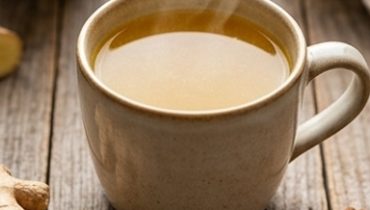
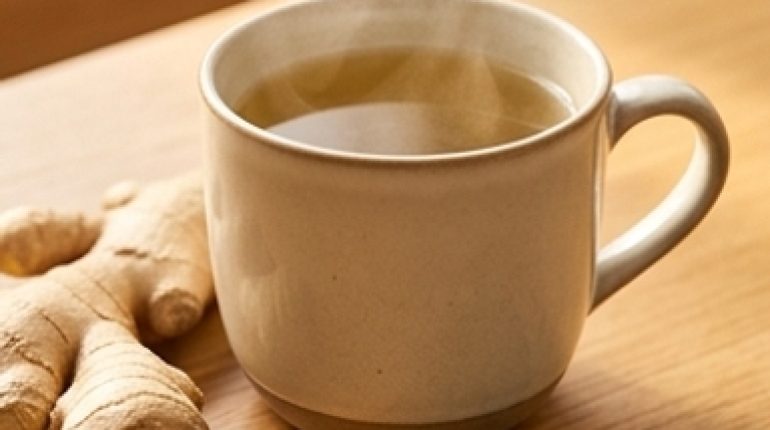
In the cup, the liquid leans toward a cloudy yellow-green, almost amber at the edges. The scent of ginger rises first—sharp, warm, slightly peppery—before the green tea asserts its vegetal and herbaceous note. The steam is fine, brushing against your cheeks. It’s the kind of drink that warms you from the inside even before the first sip.
Why you’ll love this recipe
Ingredient Notes
Only two ingredients: quality green tea and sliced fresh ginger.
- Green tea : Loose leaf if you can—Japanese Sencha or Gyokuro is ideal. Tea bags work, but avoid discount brands where the bags smell like damp cardboard. A simple rule: if you open the package and smell nothing, that’s a bad sign.
- Fresh ginger : Fresh is mandatory. Ginger powder gives a flat taste and an unpleasant bitterness here. Choose a firm piece with no soft spots and thin, smooth skin. Three to four slices about 3 mm thick for 500 ml of water is the right dose.
- Lemon (optional) : A squeeze at the end really changes the profile—it brings brightness and mellows the ginger’s heat. Add it to the cup, never during infusion: lemon acids can denature green tea antioxidants if exposed to heat for too long.
- Honey (optional) : If the ginger feels too aggressive at first, a small teaspoon is enough to soften it without masking the flavor. Use acacia or light wildflower honey—not chestnut or fir honey, which will overpower everything else.
Don’t bring the water to a rolling boil
This is the most important detail that no one ever mentions. Water at 80-85°C produces a sweet, floral, slightly vegetal green tea. Water at 100°C makes it bitter, harsh, and hard to drink. If you don’t have a thermometer, just let the water sit for 2-3 minutes after boiling. That moment when the bubbles at the bottom almost disappear—that’s it. For ginger, however, heat is an ally: the slices release their essential oils with a slight, barely audible sizzle when you drop them into the simmering water.
Slice the ginger thicker than you think
Slices should be at least 3 mm. Too thin, and they over-infuse, making the tea aggressive and spicy from the first minute. At the right thickness, the ginger diffuses progressively—the tea starts floral and vegetal, and the spice settles in gently at the end of the sip. No need to peel if the skin is clean: there’s plenty of flavor just under the surface. A quick rinse with cold water is enough.
Let it steep for 6 minutes without touching anything
Set the pot or cup down and don’t touch it. No need to stir, cover, or check every 30 seconds. For the first five minutes, the green tea releases its catechins and its beautiful pale jade color. Between 5 and 8 minutes, the ginger begins to dominate. Beyond 10 minutes, it becomes too strong and a bit acrid. At 6-7 minutes, you’ll have something balanced—the liquid will have taken on that deep yellow-green hue, almost like very clear apple juice.
Strain and drink warm—not scalding
Pour the tea through a small strainer to remove the leaves and ginger slices. If using a bag, remove it without squeezing—this avoids releasing extra bitterness. The right drinking temperature is when you can hold the cup comfortably in both palms. Not the one that burns your lips. Not the one that’s barely lukewarm. The one that warms your hands. That’s when all the aromas are at their peak.
Tips & Tricks
- If you want to prepare several days in advance, brew a large batch, let it cool completely, and keep it in the fridge in a glass bottle. The flavor stabilizes and it’s even better cold the next morning.
- Old, slightly shriveled ginger produces a much more aggressive and less refined tea—if your piece squishes under your finger instead of snapping clean, better to buy a fresh one.
- Don’t add honey to tea that is too hot: above 40°C, the enzymes in quality raw honey degrade. Wait until the cup is comfortable to hold before sweetening.
- Difficulte Facile : Easy
Do green tea bags work as well as loose leaves?
Yes, bags work very well for this recipe. The difference is mostly in the nuance of flavor: loose leaves produce a more aromatic and floral tea. Choose a quality bag nonetheless—if you open the pack and smell almost nothing, move on.
How many cups can I drink per day?
One to two cups per day is reasonable for most people. Green tea contains caffeine—about 30-40mg per cup—so avoid drinking it after 4:00 PM if you are sensitive to caffeine. Large amounts of ginger can also irritate the stomach over the long term.
I don’t have fresh ginger. Does powdered ginger work?
In a pinch, yes, but the result will be very different. Powdered ginger gives a flat taste and a slight bitterness that fresh ginger lacks. Use a small pinch (a quarter teaspoon max) and reduce steeping time to 4 minutes maximum.
Can I prepare this tea in advance and keep it in the fridge?
Yes, it’s quite convenient. Brew a large batch, let it cool to room temperature, then store in a glass bottle in the refrigerator for up to 3 days. The flavor stabilizes and cold ginger tea is very refreshing in the summer. Don’t reheat in the microwave—use a saucepan.
Does the water really have to be 85°C, or can I use boiling water?
Ideally, no. Water at 100°C makes green tea bitter and harsh due to excessive tannin release. If you don’t have a thermometer, just let boiling water sit for 2-3 minutes before using it—that’s enough to drop to the right temperature.
Can I drink this tea during pregnancy?
With caution. Green tea contains caffeine, and high doses of ginger are discouraged beyond the first trimester. It is best to consult your doctor before making this a daily habit during pregnancy.
Japanese Ginger Tea
Japanese
Beverage
A simple infusion made with green tea and fresh ginger, warm and slightly spicy. A daily habit that warms you from the inside in just 10 minutes.
Ingredients
- 500 ml water (heated to 85°C, not a full boil)
- 1 tsp (2 g) loose-leaf green tea, or 1 quality green tea bag
- 3-4 slices (15 g) fresh ginger, 3 mm thick slices, unpeeled if skin is clean
- 1 splash fresh lemon juice (optional)
- 1 tsp (7 g) liquid honey (optional)
Instructions
- 1Heat 500 ml of water until simmering, then remove from heat and let rest for 2-3 minutes to reach approximately 85°C.
- 2Cut 3 to 4 slices of fresh ginger about 3 mm thick and drop them into the hot water.
- 3Add the green tea leaves (or bag) and let steep for 6 to 7 minutes without stirring or covering.
- 4Strain the tea into a cup, removing the leaves and ginger. If using a bag, do not squeeze it.
- 5Wait until the tea is comfortable to hold in your hands, then add a squeeze of lemon and/or a spoonful of honey if desired.
Notes
• Storage: prepare a large batch and store in a glass bottle in the refrigerator for up to 3 days. Can be enjoyed cold or reheated.
• Spicy variant: add a pinch of ground cardamom or a cinnamon stick during steeping for a version with more complex aromas.
• Intensity: for a milder tea, steep for only 4-5 minutes and use thicker ginger slices (5 mm). For more heat, steep for 8 minutes.
Nutrition Facts (per serving, estimated)
| 5 kcalCalories | 0gProtein | 1gCarbs | 0gFat |