📌 Italian-Style Spaghetti Drunken Noodles: the fusion recipe marrying white wine, fresh basil, and red chili in 340g
Posted 28 December 2025 by: Admin
A Surprising Culinary Fusion Between Italy And Thailand
Italian Drunken Noodles shake up the conventions of traditional Italian cuisine. This hybrid recipe reimagines classic pasta by taking inspiration from spicy Asian stir-fry noodles, creating a bold alternative to conventional Mediterranean preparations.
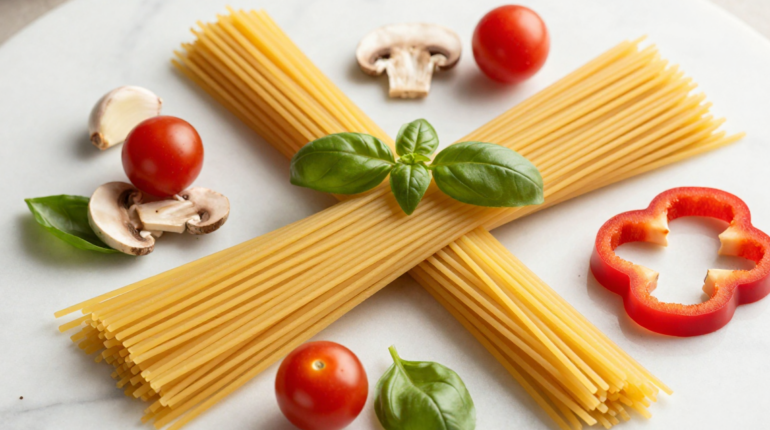
The base relies on 12 oz of spaghetti, transformed by an alchemy of Mediterranean ingredients and Asian techniques. Olive oil meets crushed red pepper, while fresh basil dialogues with minced garlic. This atypical composition combines 1/4 cup of olive oil, 4 cloves of garlic, 1/2 cup of dry white wine, 1 cup of broth, spicy seasonings, and a selection of colorful vegetables.
Grated Parmesan, an essential Italian signature, crowns this preparation that defies culinary boundaries. Cherry tomatoes, thinly sliced bell pepper, and mushrooms add visual dimension and freshness, creating a balance between tradition and innovation.
This recipe reveals how familiar ingredients can generate brand-new flavors when orchestrated differently. The secret lies in the precise combination of proportions and the preparation technique, where each element plays a strategic role in building the final flavor profile.
Alcohol As A Key Ingredient Of The Recipe
Dry white wine alone justifies the name “Drunken Noodles“. This half-cup of Pinot Grigio is the signature element that radically distinguishes this preparation from traditional Italian pasta.
Alcohol acts as an aromatic catalyst, releasing the volatile compounds of other ingredients while bringing its own tangy complexity. Combined with a cup of chicken or vegetable broth, the wine creates a smooth sauce that coats the spaghetti without weighing it down. This liquid combination advantageously replaces conventional creamy sauces, offering depth and lightness simultaneously.
The choice of Pinot Grigio is not accidental: this Italian grape variety with fruity and mineral notes harmonizes naturally with olive oil and garlic, while resisting the intensity of the red chili. Unlike fuller-bodied wines, its delicacy allows the vegetables and herbs to express themselves fully.
This technique of incorporating wine recalls the classic deglazing of French cuisine, transposed here into a fusion context. The partial evaporation of the alcohol concentrates the flavors while preserving that characteristic acidity that balances the fat of the olive oil and the richness of the final Parmesan.
A Symphony Of Mediterranean Aromatics And Spices
Beyond the wine, it is the aromatics that give the dish its assertive Mediterranean character. Four minced garlic cloves form the aromatic backbone, releasing their sulfur compounds upon contact with heated extra virgin olive oil (1/4 cup).
Dried oregano is used sparingly – a single teaspoon is enough – to evoke the Italian hills without dominating. This restraint contrasts with the generosity of the chopped fresh basil (1/4 cup), incorporated at the end of cooking to preserve its volatile anise notes. This duality of dried and fresh herbs creates an aromatic depth that each ingredient alone could not achieve.
Crushed red pepper (1 teaspoon, adjustable) injects that characteristic heat of Asian spicy noodles. Unlike classic black pepper, this chili diffuses a progressive burn that builds to a crescendo, transforming each bite into a sensory experience. The recipe wisely specifies “adjustable to taste,” recognizing that spice tolerance varies considerably.
Salt and black pepper complete this palette without apparent originality, but their role remains essential: they reveal and unify flavors rather than imposing new ones. The balance between the vegetal freshness of the basil and the intensity of the chili defines the dish’s flavor identity.
Colorful Vegetables For Visual And Nutritional Dimension
These aromatics find their natural complement in a carefully selected vegetable trio. A cup of halved cherry tomatoes brings the necessary acidity to counterbalance the richness of the olive oil, their natural sugars concentrating slightly during cooking.
The bell pepper, thinly sliced into strips, introduces a crunchy texture and a peppery sweetness. Unlike the tomatoes which partially melt, it retains its structural integrity even after pan-searing, creating an essential textural contrast. Its color choice – red, yellow, or orange – visually transforms the dish into a Mediterranean palette.
Sliced mushrooms (1/2 cup) complete this vegetable architecture with their earthy umami. They absorb the cooking liquids – white wine and broth – to become flavor concentrates, each slice acting as an aromatic sponge. This absorption capacity makes them the preferred vehicles for the garlic and alcohol notes developed earlier.
The final garnish of grated Parmesan restores the Italian anchoring that the spicy preparation might have diluted. This hard cheese brings the mineral salt and lactic depth characteristic of authentic transalpine recipes. Complete cooking instructions, detailing the order of incorporation of these elements to maximize textures and flavors, are revealed on the next page.