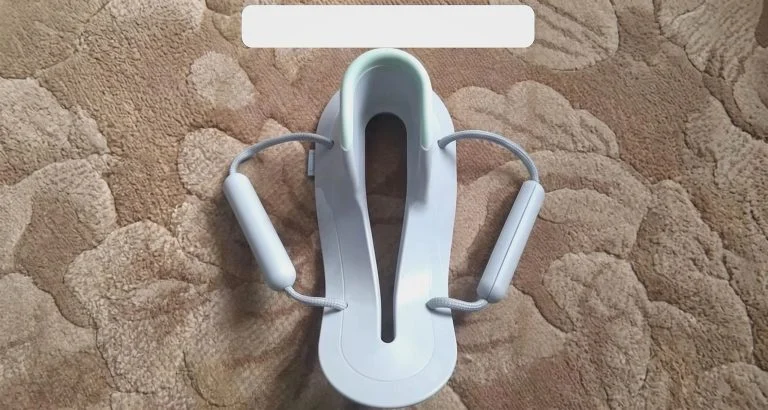
Three Natural Methods to Limit Nighttime Drooling
Adjust Your Sleeping Position to Control Mouth Opening

Sleeping on your back helps keep your mouth closed and minimizes drool flow. Sleeping on your side or stomach, on the other hand, makes involuntary mouth opening—and drooling—much more likely. An ergonomic pillow can greatly improve your posture.
Maintain Daily Oral Hygiene
Meticulous brushing and gum care reduce the risk of silent infections. Using dental floss and mouthwash helps balance saliva production by maintaining a healthy oral environment. Even minor neglect can disrupt this delicate balance.
Review Your Medications with Your Doctor
Certain medications—especially neurological or psychiatric drugs—can increase saliva. If you’re concerned, consult your doctor before making any changes, as a simple adjustment may restore nighttime comfort.
Understanding Your Body for Better Sleep
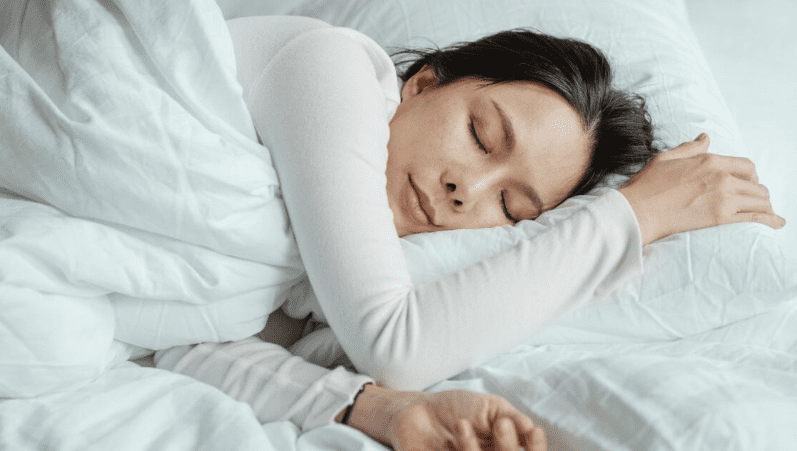
Excessive nighttime drooling isn’t something to ignore. It may signal a local imbalance or a more serious underlying condition. Fortunately, in many cases, just a few simple steps can help you reclaim peaceful, drool-free nights.