Most people think of moles as harmless marks on the skin. Yet, some unusual changes can signal the presence of melanoma, a dangerous skin cancer that can be life-threatening if ignored.
1. How Are Moles Formed?
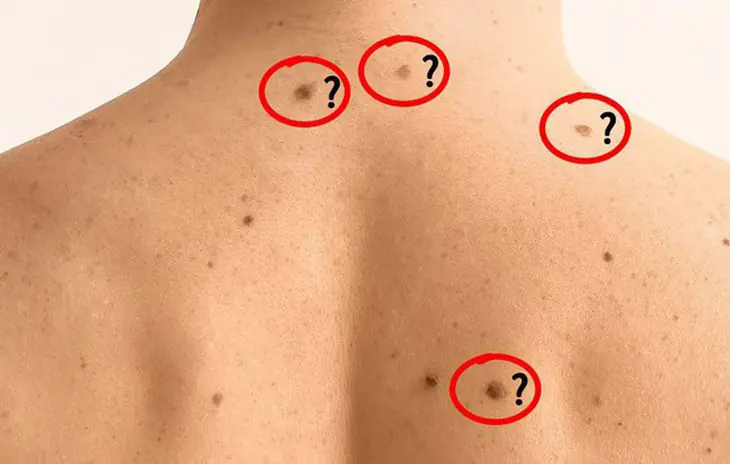
On the human body, various benign skin features such as freckles, skin tags, papillomas, and pigmentation changes often appear. However, in some cases, moles can develop abnormally—and in rare situations, they may signal a cancerous condition that many people overlook.
Although many assume moles are harmless, some may actually be malignant tumors. Normally, pigment-producing cells called melanocytes are evenly spread across the skin to create natural coloration. But when these cells cluster beneath the surface, they form a mole.
In most cases, moles are not dangerous and pose no health risks. Their appearance may vary in size, shape, and location. Some individuals choose removal for cosmetic purposes, particularly if moles appear in large numbers or are located on the face, even though they are not harmful.
2. How to Identify Cancerous Moles
The number of moles on the body differs by genetics. They may appear anywhere—either singly or in clusters. To recognize abnormalities, you should monitor any changes in size, color, shape, or growth pattern.
Characteristics of Normal Moles
Before understanding what cancer-warning moles look like, it’s important to know the features of a typical benign mole:
- Present at birth or formed during childhood.
- Small, generally under 0.6 cm in diameter.
- Round, symmetrical, and usually brown or black with a uniform shade.
- Smooth, continuous borders without irregular edges.
- Stable in size, color, and shape over time.
Characteristics of Cancerous Moles
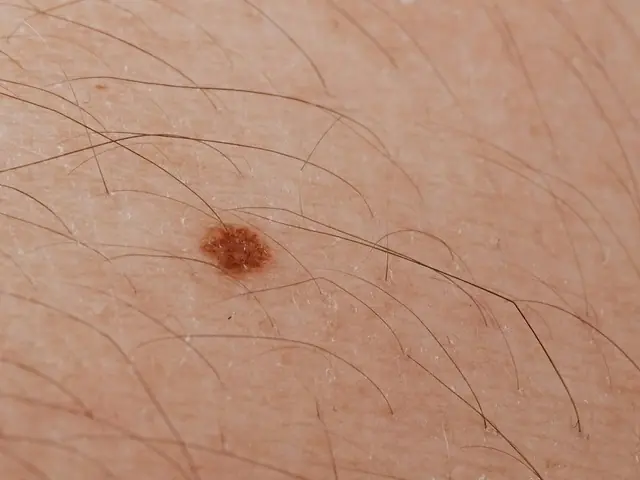
Warning moles linked to cancer often appear unexpectedly in adulthood and can show the following traits:
- Larger than 6 mm in diameter.
- Uneven or multi-shaded coloration.
- Noticeable changes such as scaling, redness, or rapid growth.
- Irregular outlines with no clear symmetry.
- Raised above the skin with blurred or poorly defined borders.
- Sensations of itching or irritation around the mole.
Because symptoms vary from person to person, any new or unusual mole should be evaluated by a medical professional.
3. How to Treat Cancerous Moles
If you notice suspicious moles, consult a medical center for proper testing. In some cases, doctors may suggest a biopsy to determine whether the mole is benign or malignant.
Benign Moles
If the mole is harmless and the patient does not wish to remove it, no treatment is required. However, for cosmetic reasons, removal options include surgical excision or laser treatment. Many people choose this even when the mole poses no danger.
Malignant Moles
When diagnosed as melanoma, treatment depends on the cancer’s stage and spread. Surgery is the most common method, often supported by chemotherapy or radiation therapy. Because melanoma can advance rapidly, early detection and prompt medical care are critical.
Patients frequently exposed to ultraviolet radiation or harmful chemicals should take precautions such as protective clothing and proper skincare, as these factors increase the risk of developing malignant moles.