📌 House centipedes: The surprising reason they’re in your home and what it reveals about hidden problems
Posted 8 December 2025 by: Admin
What A Centipede Sighting Reveals About Your Home
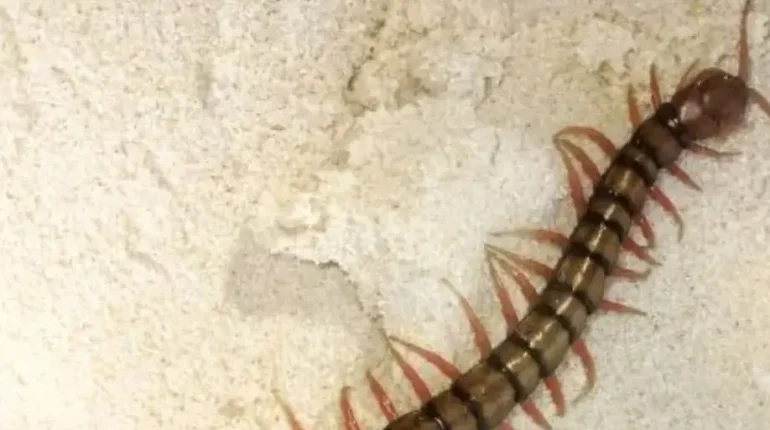
Discovering a centipede scurrying across your floor triggers an instinctive recoil, yet this unwelcome visitor delivers crucial diagnostic information about your home’s underlying conditions. Rather than a random intrusion, the presence of a centipede functions as a biological indicator—a silent messenger revealing what may be amiss within your walls and beneath your floors.
Centipedes are relentless predators that feast exclusively on smaller insects. Their appearance indoors signals one unmistakable reality: your home harbors a thriving population of their preferred prey. Ants, silverfish, cockroaches, and spiders provide the sustenance these arthropods actively hunt. If you’ve spotted a centipede, your home likely hosts « an underlying issue with other small pests that centipedes are hunting »—a reality that demands immediate attention.
Beyond pest infestations, centipedes expose moisture vulnerabilities. These creatures gravitate toward damp, dark environments where they flourish undisturbed. Basements, bathrooms, areas beneath sinks, and spaces surrounding leaky pipes become their preferred sanctuaries. The same excess humidity that attracts centipedes simultaneously cultivates conditions ideal for mold proliferation and structural deterioration. Your centipede encounter thus unveils a moisture problem with consequences far exceeding the presence of a single arthropod.
Occasionally, centipedes venture indoors seeking refuge from harsh external conditions—scorching heat, freezing temperatures, or torrential downpours. While this explains temporary visits, persistent indoor populations point to systemic environmental issues requiring targeted intervention.
The Real Danger: Separating Facts From Fears
Amid the unsettling discovery of a centipede in your home comes a reassuring truth: despite their menacing appearance, these arthropods pose minimal health risk. Unlike cockroaches and rodents that actively transmit disease, centipedes neither carry nor spread pathogens. This fundamental distinction transforms your perception from genuine hazard to manageable nuisance.
The possibility of a bite exists, yet remains statistically remote. Centipedes actively avoid human contact, only resorting to their venom-injecting claws when directly threatened or trapped. When bites do occur—a rare occurrence—symptoms remain remarkably mild. The experience mirrors a bee or wasp sting: localized redness, swelling, and pain accompanied by mild itching or burning. The discomfort typically resolves without intervention.
Serious complications are extremely uncommon, though individuals with documented insect venom allergies warrant heightened caution. Severe swelling, breathing difficulty, or intense pain demands immediate medical attention, as allergic reactions represent the sole scenario requiring urgent intervention. For the general population, however, centipede encounters pose negligible medical danger—a critical distinction that should alleviate unnecessary alarm about these surprisingly benign creatures.
Proven Elimination Strategies That Actually Work
Now that health concerns are dispelled, the practical imperative becomes clear: eliminating centipedes requires a multi-layered approach targeting their essential needs. Begin with moisture control, the foundation of any effective strategy. Fix plumbing leaks promptly, deploy dehumidifiers in basements and damp areas, and ensure bathrooms maintain proper ventilation. These measures directly address the humid environments centipedes depend upon.
Simultaneously, fortify your home’s physical defenses. Seal cracks in walls, close gaps beneath doors and windows, and repair torn screens—these barriers interrupt their entry routes. Decluttering spaces where they hide proves equally critical: remove cardboard boxes, wood piles, clothing heaps, and other potential refuges.
The most strategic intervention targets their food chain. By controlling cockroaches, spiders, and ants—centipedes’ primary prey—you eliminate their reason for staying indoors. This ecosystem disruption often proves more effective than direct removal methods. For immediate action, diatomaceous earth sprinkled along baseboards and corners provides natural deterrence. Essential oils such as peppermint, tea tree, or eucalyptus offer additional repellent properties when applied carefully. Direct removal through jar trapping, vacuuming, or sticky traps remains viable for isolated encounters, yet sustained elimination demands addressing the underlying conditions that make your home attractive to these predatory arthropods.
Long-Term Prevention: Creating A Centipede-Proof Environment
With immediate threats neutralized and elimination strategies deployed, the conversation shifts toward sustainable prevention that renders your home inhospitable to future infestations. This requires establishing permanent environmental conditions that centipedes cannot exploit.
Consistency proves paramount. Maintain dry, well-ventilated spaces throughout your home year-round—not merely during crisis periods. Institute a regular cleaning protocol targeting dark corners, closets, under furniture, and baseboards where centipedes establish themselves. These routine practices disrupt their ability to settle and reproduce.
Exterior management deserves equal attention. Store firewood, cardboard boxes, and damp materials outside rather than in garages or basements where they create ideal centipede habitats. Yard maintenance—trimming grass and bushes, removing leaf debris and brush piles—eliminates the outdoor staging areas from which centipedes migrate indoors during seasonal transitions.
For persistent infestations despite these efforts, professional intervention becomes warranted. Regular pest control treatments address not only centipedes but also the underlying pest populations that sustain them. This integrated approach transforms pest management from reactive scrambling into proactive environmental design. By addressing moisture sources, entry points, and food availability simultaneously, you shift from temporary relief to permanent protection—creating conditions where centipedes simply cannot thrive, and your home becomes genuinely pest-free rather than temporarily cleared.