📌 Homemade Veal Blanquette
Posted 28 March 2026 by: Admin
It’s the kind of Sunday where you don’t want to go out. It’s grey, maybe cold, and the best decision of the day is to set a blanquette to simmer. The house will smell amazing for three hours — that’s already a victory in itself.
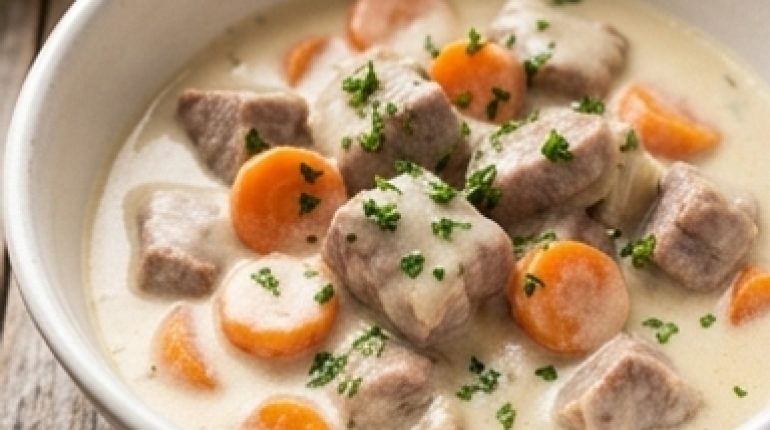
The sauce is a slightly creamy ivory white, thick enough to coat the fork without running off. The pieces of veal are meltingly tender, almost shreddable, and the carrots have taken on that deep orange hue they only get when they’ve truly cooked for a long time. It smells of warm broth, bay leaf, and that hint of fresh lemon that comes in at the end and changes everything. A dish that looks simple but hides a soul of genuine generosity.
Why you’ll love this recipe
Ingredient Notes
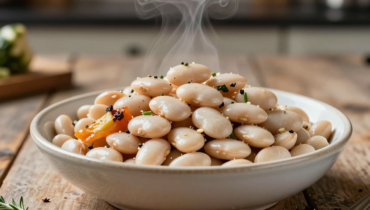
All the ingredients gathered for a classic veal blanquette: veal, crunchy vegetables, and the sauce that makes it all.
- The veal : Choose shoulder or chest (tendron), not the rump. These cuts have fat and collagen — that’s what gives it that melting texture after long cooking. Rump is too lean and will become dry and disappointing.
- Heavy cream : Thick heavy cream, really. Liquid cream makes the sauce too runny and less stable under heat. Use at least 30% fat. No low-fat versions here, they won’t hold up.
- The lemon : This is the ingredient people always underestimate. Its juice in the cream sauce cuts through the heavy and fatty side — without it, the blanquette feels overwhelming after three bites. Use an unwaxed lemon if possible; a bit of zest wouldn’t hurt either.
- Button mushrooms : White and very firm. Avoid mushrooms that are already soft or slightly brownish — they release too much water and turn the sauce grey. If you find cremini (brown mushrooms), they work too for a slightly more pronounced flavor.
- Bouquet garni : Thyme, bay leaf, and a few parsley stalks. Pre-made sachets work very well. The key: remove it before serving, or before jarring if you’re making a preserved version.
Starting in cold water
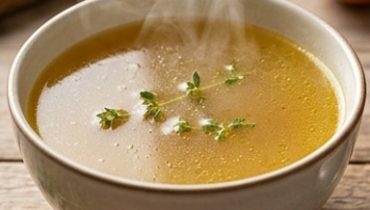
We start with something that might seem weird: plunging the veal into cold water before bringing it to a boil. This is blanching. It removes impurities that would make the broth grey and bitter. You’ll see a greyish scum — almost frothy — rising to the surface. This is normal; it’s exactly what we want to eliminate. Discard this water, quickly rinse the pieces, and start again with clean water. This is where the broth truly begins. Add the sliced carrots, quartered onion, bouquet garni, salt, and pepper. Small bubbles, not a rolling boil. A quiet simmer won’t tear the meat apart.
Two hours. That’s the rule.
Yes, it’s long. It’s the weekend; that’s the point. Veal needs time for the collagen to turn into gelatin and for the texture to go from firm to melting. Halfway through, you’ll hear that regular, gentle bubbling, like slow breathing. After 1h30, poke a knife into a piece — it should go in without resistance, almost effortlessly. The mushrooms come in next for the last 20 minutes. They absorb the broth’s aromas and add a light earthy flavor that complements the veal perfectly.
The sauce — the only moment needing attention
This is where many fail. The roux — butter + flour — must cook over low heat until it takes on a golden blonde color, like very light caramel. If it stays white, the sauce will taste like raw flour. Pour in the hot broth ladle by ladle while whisking, not all at once. Let it thicken between each addition. Then, off the heat, mix the egg yolk, lemon juice, and heavy cream in a bowl — this is the liaison. Pour the hot contents of the pot into this mixture while whisking constantly, then put everything back in the pot. The absolute rule: never bring it back to a boil after this. The egg yolk would coagulate and the sauce would become grainy, impossible to fix.
Serve simply
White rice. Period. Some prefer pasta or steamed potatoes — it’s possible — but rice absorbs the sauce like nothing else. Pour the sauce generously; don’t be stingy. A bit of chopped parsley if you have it. Blanquette is served hot, in preheated shallow bowls if you can. A beautiful white cream sauce cooling in a cold plate and setting in less than two minutes is a real shame.
Tips & Tricks
- Never cover your pot completely during simmering. Leave a gap for steam to escape — otherwise water accumulates, the broth gets diluted, and the final sauce will be bland.
- The liaison must always be done off the heat, and in the right order: always pour the hot liquid into the cold mixture, never the other way around. This prevents the egg yolk from curdling instantly.
- If your sauce is too runny, let it reduce for 5 minutes over medium heat before adding the liaison. Once the liaison is incorporated, you can no longer reduce it without risking breaking the sauce.
- Blanquette keeps for 3 days in the fridge and reheats very well over low heat while stirring gently. Never a rolling boil after the cream is added — the sauce would separate.
Can blanquette be prepared the day before?
Yes, and it’s even recommended. The meat and vegetables keep very well overnight in the fridge in their broth. Prepare only the sauce just before serving — it doesn’t keep well once the egg yolk liaison is incorporated.
How to reheat blanquette without breaking the sauce?
Over very low heat, stirring gently and regularly. Never bring to a full boil after adding the cream and egg yolk — the sauce would separate and become grainy, impossible to recover. If it’s too thick after cooling, add a ladle of broth.
Which part of the veal to choose for a successful blanquette?
Shoulder or chest (tendron) are the best choices: they contain collagen that turns into gelatin during long cooking, giving that characteristic melting texture. Avoid rump or fillet, which are too lean — they dry out during cooking.
Can you freeze veal blanquette?
The meat and vegetables freeze well, but not the cream and egg yolk sauce — it separates upon thawing. The tip: freeze the veal and broth separately, and prepare the sauce fresh when serving.
The sauce is too liquid, how to fix it?
If it’s before adding the liaison, let it reduce over medium heat for 5 to 10 minutes. If it’s after, you can no longer apply high heat. Mix a spoonful of cornstarch with a bit of cold broth and stir it in gently over very low heat — it thickens without risk.
What to serve blanquette with?
White rice remains the unbeatable classic — it absorbs the sauce perfectly. Steamed potatoes work very well too. Some serve it with wide pasta like tagliatelle, but rice remains the most consistent choice for the texture and richness of the dish.
Homemade Veal Blanquette
French
Main course
A classic French slow-cooked favorite: meltingly tender veal, tender vegetables, and a velvety lemony cream sauce. The ultimate Sunday dish.
Ingredients
- 1 kg veal shoulder or chest, cut into large cubes
- 3 carrots, peeled and sliced
- 1 large onion, quartered
- 1 bouquet garni (thyme, bay leaf, parsley)
- 2 vegetable bouillon cubes
- 150 g button mushrooms, cleaned and chopped
- 1 c. à café salt
- ½ c. à café ground black pepper
- 30 g butter (for the sauce)
- 30 g flour (for the sauce)
- 200 ml heavy cream (min 30% fat)
- 1 egg yolk
- 1 lemon, juiced
Instructions
- 1Place the veal cubes in a large pot, cover with cold water and bring to a boil. Simmer for 5 minutes, drain and rinse the meat.
- 2Return the meat to the pot with fresh cold water, carrots, onion, bouquet garni, bouillon cubes, salt, and pepper. Bring to a boil then reduce to a gentle simmer.
- 3Partially cover and simmer over low heat for 1h30 to 2h, until the meat is very tender (a knife sinks in without resistance).
- 4Add the mushrooms and continue cooking for 20 minutes. Remove the bouquet garni and set aside 3 ladles of broth for the sauce.
- 5In a saucepan, melt the butter over low heat, add the flour and stir until golden blonde. Pour in the reserved broth ladle by ladle while whisking, then simmer for 10 minutes.
- 6In a bowl, whisk the egg yolk, lemon juice, and heavy cream. Pour the hot sauce into this mixture while whisking continuously, then return everything to the pot with the meat.
- 7Reheat over very low heat while stirring gently. Never bring to a boil after adding the liaison. Adjust seasoning and serve immediately with white rice.
Notes
• Make-ahead: prepare the meat and broth the day before, store in the fridge. Prepare the sauce only at the moment of serving.
• Storage: the stew (without the cream sauce) keeps for 3 days in the fridge and freezes for up to 3 months. The sauce must be prepared fresh.
• Variation: you can add blanched pearl onions with the mushrooms for a more generous result and complex flavor.
Nutrition Facts (per serving, estimated)
| 385 kcalCalories | 33gProtein | 11gCarbs | 23gFat |