📌 Homemade Tomato Sauce in 30 Minutes: The Simple Technique Professional Chefs Use to Remove Seeds and Skin
Posted 7 December 2025 by: Admin
The Essential Ingredients And Their Selection
Creating an exceptional homemade tomato sauce begins with understanding that simplicity is the foundation of culinary excellence. You need just six fundamental ingredients to craft a sauce that rivals any restaurant preparation: fresh tomatoes, olive oil, onion, garlic, basil, and basic seasonings.
The star ingredient demands particular attention. Two pounds of fresh, ripe tomatoes—approximately nine medium-sized specimens—form the sauce’s backbone. The ripeness matters profoundly; deeply colored, fragrant tomatoes deliver the intensity and natural sweetness that define authentic flavor. Avoid pale or underripe varieties, as they lack the concentrated taste required for depth.
The supporting cast amplifies without overwhelming. Two tablespoons of quality olive oil provide richness and carry flavors efficiently through the sauce. One medium onion, finely chopped, introduces subtle sweetness and body. Two cloves of garlic, minced, contribute aromatic complexity that emerges gradually during cooking. Fresh basil leaves—or one teaspoon of dried basil as a practical alternative—deliver that unmistakable Mediterranean character essential to authentic Italian tradition.
Salt, pepper, and optionally a pinch of sugar complete the ensemble. The sugar serves a specific purpose: it neutralizes the tomatoes’ natural acidity without sweetening the sauce, creating harmonious balance. This minimalist approach demands ingredient quality over quantity. Unlike commercial versions laden with preservatives and unnecessary additives, this sauce relies on the integrity of its components. Each element must earn its place, contributing distinct flavor without diluting the tomato’s dominance. The restraint required here separates casual cooking from intentional gastronomy.
Tomato Preparation: The Professional Technique
The foundation established by quality ingredients now requires precision execution. Transforming raw tomatoes into silky sauce begins with a technique that separates amateur results from professional-grade preparation: the blanching method that renders peeling effortless while preserving peak flavor.
Start by scoring a small “x” at the bottom of each tomato—this simple incision allows heat to penetrate uniformly and facilitates skin separation. Submerge the tomatoes in boiling water for precisely 30 seconds. This brief window proves critical; longer immersion risks softening the flesh and leaching flavor into the water. Once time expires, immediately transfer the tomatoes to a cold water bath. This abrupt temperature shock halts the cooking process and firms the flesh, enabling you to slip the skins away with minimal effort.
The subsequent steps demand gentle attention. Remove the loosened skins completely, then halve each tomato and extract the seeds with a small spoon or your fingers. This seed removal prevents excess liquid from diluting your finished sauce and eliminates the slight bitterness seeds impart. Roughly chop the tomato flesh into irregular pieces—uniformity matters less than avoiding a puree at this stage.
This preparation methodology ensures optimal texture development during simmering. The brief blanching concentrates natural sugars while the cold water bath preserves the tomatoes’ structural integrity, allowing them to break down gradually during cooking rather than collapse into mush. The result: a sauce with body and substance, where tomato flavors intensify rather than dissipate. What follows demands patience and the right heat level.
The Cooking Process: Building Layers Of Flavor
With tomatoes perfectly prepared, the real magic unfolds over gentle heat. The simmering stage transforms individual ingredients into a cohesive masterpiece where each element builds upon the last, creating complexity that no single component could achieve alone.
Heat olive oil in a large pot over medium warmth. Add the finely chopped onion and allow it to soften into translucency over approximately 5 minutes—this gradual sweetening creates the sauce’s aromatic foundation. The onion’s natural sugars caramelize subtly, releasing compounds that provide depth and umami. Stir in the minced garlic and cook for one additional minute until the kitchen fills with its distinctive fragrance. This brief window prevents burning while coaxing maximum flavor extraction.
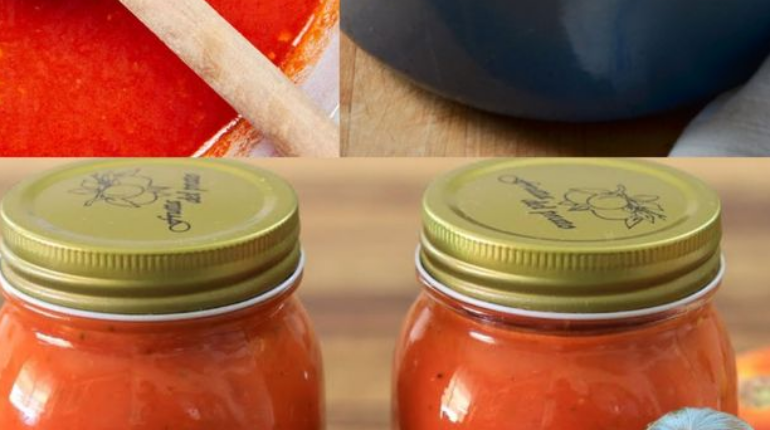
Now introduce your prepared tomatoes along with fresh basil, salt, pepper, and optionally a pinch of sugar to counterbalance tomato acidity. Reduce the heat to low and allow the mixture to simmer steadily for 30 minutes, stirring occasionally. This extended, unhurried cooking period proves essential—it permits flavors to meld and intensify while excess moisture gradually evaporates, concentrating the sauce’s character. The tomatoes surrender their structure, breaking down into a silken consistency as the basil infuses its herbal notes throughout.
Taste frequently during this final 10 minutes and adjust seasonings as your palate dictates. Should you prefer enhanced smoothness, pass the sauce through a blender or food processor. This patience during simmering separates memorable sauce from mediocre imitations, yielding results that transcend the simplicity of your ingredient list.
The Homemade Advantage: Health And Customization
Beyond technique lies a fundamental truth: homemade tomato sauce transcends commercial alternatives through ingredient transparency and flavor mastery. Store-bought versions frequently conceal preservatives and added sugars that dilute authenticity, yet your kitchen-crafted sauce remains entirely within your control.
This autonomy proves invaluable. Adjust salt levels to your preference, amplify garlic intensity, or reduce basil according to personal taste—flexibility impossible with pre-packaged products. The sauce becomes genuinely yours, calibrated to complement your specific dishes rather than conforming to mass-market specifications.
Health considerations compound this advantage. Commercial manufacturers add sodium benzoate and potassium sorbate for shelf stability, plus refined sugars masking tomato acidity. Your homemade version contains precisely what you’ve selected: tomatoes, olive oil, aromatics, and seasonings. Nothing more. This purity particularly benefits those monitoring sodium intake or avoiding processed additives.
Texture customization represents another exclusive benefit. Should you desire a chunky, rustic consistency, simply ladle the sauce directly from the pot. Prefer silken smoothness? A brief blender session transforms it instantly. No commercial product offers such versatility without purchasing multiple varieties.
The versatility extends beyond pasta. This sauce foundations soups, enriches pizza, seasons vegetable dishes, or freezes for future use. One foundational recipe multiplies into countless applications, making homemade production economically sensible alongside its quality superiority. You’ve invested 40 minutes total—from preparation through simmering—to create something indefinitely superior to anything supermarket shelves provide.