πŸ“Œ Homemade Rosemary Tea

Posted 17 April 2026 by: Admin #Recipes

Prep Time
2 minutes
Cook Time
10 minutes
Total Time
12 minutes
Servings
1 cup

Waking up with a foggy mind and starting to feel like coffee is just too much? Rosemary grows in almost every garden and lingers dried in every cupboard — yet we rarely think of it. This herbal tea is the simplest recipe you can make, and often the most useful.
Advertisement:
Final result
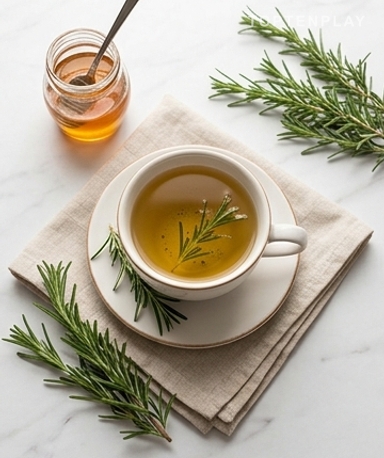
A steaming cup of rosemary tea, simple and comforting as it should be.

In the cup, the liquid takes on a very light amber hue, almost golden like a very light tea. The scent rises as soon as you get close: that blend of pine, countryside, and something slightly peppery that wakes you up even before you’ve taken a sip. The rosemary needles still float, dark and shiny beneath the surface. Rustic, direct, no-fuss.

Why you’ll love this recipe

Two ingredients, no more needed : Water and rosemary. That’s it. No machines, no special filters, no particular technique to master.
Drink it at any time : No caffeine, so no restrictions. In the morning to start, after eating to digest, in the evening to unwind — it adapts to your schedule, not the other way around.
Your stomach will thank you : After a slightly heavy meal, a warm cup of rosemary helps calm that heavy feeling. Not spectacular, but consistent. And consistency is what matters.
You probably already have everything you need : Dried rosemary sits in almost every kitchen, usually reserved for roasts and potatoes. Now, you’ve finally found another use for it.

Ingredient Notes

Ingredients

Advertisement:

All you need: fresh or dried rosemary, water, a little honey and lemon if you feel like it.

  • Rosemary : Fresh or dried, both work — but fresh gives a more vibrant, slightly resinous infusion, with that green side that hits the nose nicely. Dried is softer, rounder. For one tablespoon of fresh leaves, use one teaspoon of dried: more concentrated, more powerful. No need to chop the leaves; we infuse them whole.
  • Water : Not at a rolling boil — simmering water, around 90°C, preserves the essential oils better. If you don’t have a thermometer, just wait until the first tiny bubbles appear at the bottom of the pot and turn off the heat then.
  • Honey : Optional, but honestly useful if you find the tea a bit austere on the palate. A wildflower honey goes well, a thyme honey even better — it plays in the same herbaceous range. One small teaspoon, no more.
  • Lemon : A few drops added at the end of the preparation. The juice slightly acidifies the infusion and cuts nicely through the natural bitterness of the rosemary. It makes the tea more lively, less monolithic.

Don’t wait for a full boil

This is the classic mistake. Boiling water will treat the rosemary’s essential oils roughly, and you’ll end up with a bitter, harsh tea that pinches the back of your throat. As soon as you see small bubbles forming at the bottom of the pot — not yet risen to the surface, just there, discreet — it’s the right time. Pour over the leaves in your cup and cover immediately. This lid is important: it traps the aroma-laden steam that would otherwise evaporate into the kitchen.

Don’t wait for a full boil
The infusion is prepared in two minutes — pour hot water over the rosemary leaves and let time do the work.

Count seven minutes, no less

During the first few minutes, the water takes on this very pale yellow color, almost invisible. At seven minutes, it starts turning toward light amber. The rosemary leaves have relaxed, loosened up, and released their compounds — lift the lid and smell: the scent is frank, almost medicinal in a good way, with that resinous base that sticks slightly to the nostrils. If you like it strong, leave it for ten minutes. Beyond that, bitterness takes over.

Advertisement:

The honey goes in last, always

Strain the tea — a simple mesh strainer or a small sieve works perfectly. Wait a minute before adding the honey: water that is too hot degrades some of its properties. Stir gently, listen to the clinking of the teaspoon against the ceramic. It’s ready. Add the lemon now if you feel like it — a few drops, no more, otherwise it crushes everything else.

The honey goes in last, always
The rosemary infuses gently in simmering water, releasing its essential oils and characteristic aroma.

Tips & Tricks
  • Always cover your cup during infusion — rosemary’s essential oils are volatile and evaporate very quickly if left open
  • If using fresh rosemary from the garden, rinse the sprigs but do not chop them: whole leaves infuse more gently and result in a less harsh tea
  • One cup a day is plenty — rosemary is powerful and in large quantities can be irritating. The idea is a regular habit, not a massive dose
Close-up
The golden liquid with green reflections, translucent and fragrant — a tea as beautiful as it is effective.
FAQs

Fresh or dried rosemary: which to choose?

Advertisement:

Both work, but fresh gives a more vibrant and slightly resinous infusion. Dried is more concentrated — use half as much (1 tsp dried = 1 tbsp fresh). If you have a plant on your balcony, go for it.

Why is my tea too bitter?

Two possible reasons: the water was at a rolling boil (it should just simmer, around 90°C) or you let it infuse too long. Seven to ten minutes is ideal. Beyond that, the tannins take over and it becomes harsh.

Advertisement:

How many cups a day can I drink safely?

One to two cups a day is reasonable. Rosemary is a powerful plant and in large quantities can cause digestive discomfort. No need to avoid it, but don’t treat it as an intensive cure.

Can I prepare the tea in advance?

Advertisement:

Yes, it keeps for 24 hours in the refrigerator in an airtight bottle. Served cold with ice cubes and a drizzle of honey, it’s very pleasant in summer. Beyond one day, the aromas fade.

Can I mix rosemary with other plants?

It goes very well with mint (fresher), thyme (more intense, perfect for colds) or verbena (softer, ideal for the evening). Start with a 50/50 base to find your balance.

Advertisement:
Homemade Rosemary Tea

Homemade Rosemary Tea

Easy
Traditional Herbalism
Hot drink
Prep Time
2 minutes
Cook Time
10 minutes
Total Time
12 minutes
Servings
1 cup

A simple infusion made from fresh or dried rosemary, ready in ten minutes. Digestive, aromatic, and caffeine-free.

Ingredients

  • 1 tbsp (5g) fresh rosemary leaves (or 1 tsp / 2g dried rosemary)
  • 250ml water
  • 1 tsp honey (optional)
  • a few drops fresh lemon juice (optional)

Instructions

  1. 1Heat the water until the first simmer (around 90°C) — as soon as small bubbles appear at the bottom of the pot, turn off the heat.
  2. 2Place the rosemary leaves in a cup. Pour the hot water over them.
  3. 3Cover the cup with a saucer or a lid and let infuse for 7 to 10 minutes.
  4. 4Strain the tea with a mesh strainer or a small sieve to remove the leaves.
  5. 5Wait 1 minute, then add honey and/or lemon if desired. Stir and enjoy.

Notes

• Storage: keeps for 24h in the refrigerator in a closed bottle. Cold with ice cubes, it is a very pleasant summer alternative.

Advertisement:

• Variations: rosemary + mint for a fresher version, rosemary + thyme for a more intense infusion during a cold.

• Not recommended for pregnant women in large quantities or for people on anticoagulants.

Nutrition Facts (per serving, estimated)

5 kcalCalories 0gProtein 1gCarbs 0gFat

Advertisement:
Share it!

Thanks for your SHARES!

You might like this

Add a comment:

Latest posts

Build-Your-Own Japanese Bowls β€” Tsukurioki Meal Prep

Vegetable Salad and Carrot Tartare, Chef Style

Cheesy Pizzettes with Mushrooms and Peppers

Tomato Carrot Lemon Juice

Creamy Cancoillotte Risotto with Crispy Smoked Sausage

Walking Taco Casserole

Homemade Hamburger Steaks

Homemade Oven-Baked Chicken Nuggets

Gua Bao with Marinated Chicken and Crunchy Vegetables

Ultra-Juicy Oven-Baked Turkey Cutlets

Loading...