📌 Homemade Lemon Zest Infusion
Posted 31 March 2026 by: Admin
Most people peel a lemon and toss the skin straight into the bin. Without a second thought. But that skin is where the good stuff is concentrated — the essential oils, the aromas, everything that gives a lemon its true character. We’ve spent years throwing away the best part.
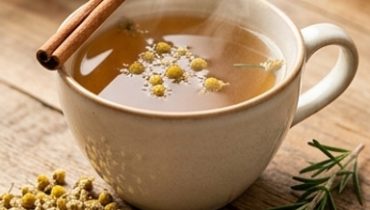
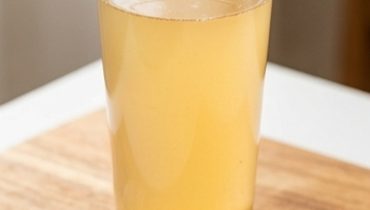
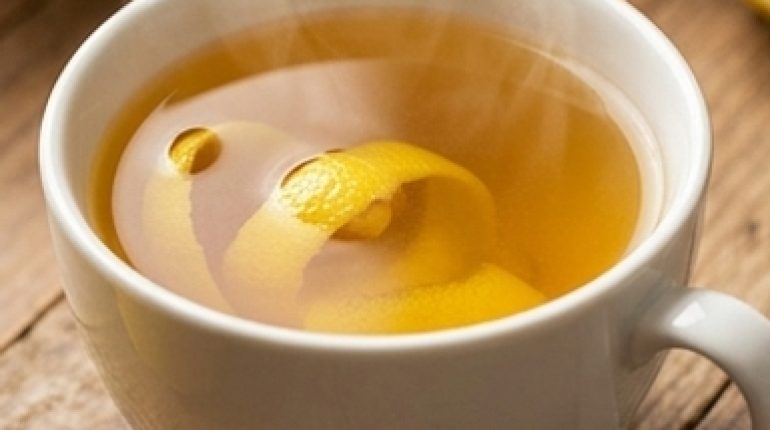
In the cup, the infusion takes on a very pale amber hue, almost like a white tea lightly tinted with turmeric. The steam rises gently, and the smell isn’t that of a sliced lemon — it’s rounder, softer, with a slightly herbal undertone reminiscent of bergamot tea. If you added ginger, there’s that little warm tingle that comes after, discreet but present. Nothing aggressive. Just comforting.
Why you’ll love this recipe
Ingredient Notes
Everything you need for this infusion: organic lemon zest, ginger, and a drizzle of honey.
- Organic lemons : Here, organic is not an option. You’re going to consume the skin, and conventional lemons are often surface-treated after harvest. Choose them firm, shiny, and heavy for their size — a heavy lemon is a lemon well-stocked with essential oils in its zest.
- The pith (the white layer) : This is the spongy part between the yellow skin and the flesh. A little pith won’t kill anyone, but too much makes the infusion bitter in an unpleasant, almost medicinal way. Keep the skin as thin as possible — the yellow zest is all you need.
- Fresh ginger : Optional on paper, indispensable in practice. A 1 cm slice is enough. Fresh ginger has a sharp kick that balances perfectly with the lemon. Ground ginger can work in a pinch, but the infusion will be less clear and slightly earthy.
- Liquid acacia honey : If you sweeten it, use acacia or a discreet wildflower honey — being fluid, it dissolves instantly and doesn’t overpower the lemon. Avoid strong forest or chestnut honeys that would take over everything else.
What people think is trash — and why they are completely wrong
There is something paradoxical about lemons. We buy them for their juice, or maybe for their zest grated over a cake. And the skin ends up in the bin. Yet, it is in this thin yellow layer that the essential oils live — which give the lemon its aroma far more than the acidity of the juice. When you plunge them into hot water, these oils are released gradually. Gently, like a well-brewed tea. The result is a drink that actually smells like lemon — not reconstituted syrup lemon.
The part everyone misses: how to peel properly
The technique matters. Wash your lemons in hot water by scrubbing them with a brush or the back of a hard sponge — even organic ones can have transport residues. Then, peel by hand if you can: your fingers immediately feel the essential oils escaping, it’s almost sticky, and it smells incredible. Remove the large pieces of white pith as best as you can, but don’t be obsessed. A little white is fine. What isn’t fine is neglecting the washing — that’s where bitterness really comes to ruin the rest.
Why I never go back to boiling instead of simmering
It’s the difference between a flat infusion and one with character. A vigorous boil makes the volatile aromas disappear too quickly — you get lemony water with little interest. A simmer is when the surface of the water barely trembles, with a few small bubbles rising lazily. There, the essential oils diffuse slowly, the color changes from a milky white to a characteristic pale amber, and the smell in the kitchen settles in for good. Allow 10 to 15 minutes at this pace. No need to watch it constantly. But don’t cover the pot — the aromas diffuse better uncovered.
Hot in the morning, iced in the afternoon: the same base, two different drinks
In the morning, pour directly into a cup, add a spoonful of honey, and drink while it’s still very hot — the warm steam with the lemon-honey aroma is the kind of little ritual that makes you want to get up. For the iced version, let it cool to room temperature then put it in the fridge in a sealed glass bottle. You can add the juice of half a lemon at that point for a sharper taste. Over crushed ice, it tastes like a light lemonade. Cinnamon goes better with the hot evening version — just a pinch, no more, or it will overwhelm everything.
Tips & Tricks
- Prepare a large batch at once and keep the rest in the fridge in a closed bottle for up to 3 days. The cold infusion develops a rounder, less acidic taste than the hot version — and many people prefer it that way.
- If your lemons come from the fridge, leave them at room temperature for 20 minutes beforehand. A cold lemon releases fewer essential oils in its zest — the result will be blander, even with the same recipe.
- The test to know if the infusion is ready: lean over the pot. If you clearly smell lemon as soon as you get close, it’s ready. If the smell is still weak and watery, give it another 5 minutes.
Can I use non-organic lemons?
It’s really not recommended here. You’re going to infuse the skin directly in the water, and conventional lemons are often surface-treated with fungicides after harvest. Good washing reduces residues but doesn’t eliminate them completely. For this recipe, organic isn’t a luxury — it’s the foundation.
Why is my infusion bitter?
The almost certain cause is the pith — the white spongy layer between the yellow skin and the flesh. It contains limonin, a naturally very bitter compound. Next time, take care to remove as much of this white part as possible when peeling. A few traces are okay, but a thick layer ruins the infusion.
How long can I keep the prepared infusion?
Up to 3 days in the refrigerator in a well-sealed glass bottle. It even develops a slightly different taste after a few hours — rounder, a bit less acidic. Don’t keep it at room temperature beyond the day.
Can I use other citrus fruits in the same way?
Yes, and that’s where it gets interesting. Orange zest gives a softer, sweeter infusion, while grapefruit zest is more bitter and powerful. You can also mix lemon + orange for a more complex version. The technique remains identical — the only variable is the intensity.
Can the infusion be drunk cold?
Yes, very well. Let it cool to room temperature then put it in the fridge. Serve over ice, possibly with a squeeze of fresh lemon juice — it’s like a light, low-sugar lemonade. It’s a completely different version from the hot one, and many people prefer it in the summer.
Can I freeze zest to use later?
Yes, and it’s a very good idea. Every time you squeeze a lemon, put the zest in a freezer bag. They keep for 3 months without a problem. You go straight from the freezer to the pot of boiling water — no need to defrost.
Homemade Lemon Zest Infusion
French
Beverage
An anti-waste herbal tea made from organic lemon zest gently simmered with ginger. Hot in the morning, iced in the afternoon — one recipe, two drinks.
Ingredients
- 2 organic lemons (zest only)
- 750 ml water
- 1 slice (1 cm) fresh ginger (optional)
- 1 tsp liquid acacia honey (optional)
- 1 pinch ground cinnamon (optional)
- ½ lemon, juiced (optional, for serving)
Instructions
- 1Scrub the lemons under hot water with a brush or hard sponge to remove surface residues.
- 2Peel the lemons by hand keeping only the yellow skin — remove as much of the white spongy pith as possible.
- 3Bring 750 ml of water to a boil in a small saucepan.
- 4Add the zest and the ginger slice if using. Immediately reduce the heat.
- 5Simmer uncovered for 10 to 15 minutes, until the water takes on a pale amber hue.
- 6Strain into a cup or a glass bottle. Add honey, lemon juice, or cinnamon to taste.
- 7Serve hot, or let cool and then refrigerate for an iced version.
Notes
• Storage: up to 3 days in the refrigerator in a closed bottle. Can be drunk cold over ice or reheated in a saucepan.
• More concentrated version: use the zest of 3 lemons for the same amount of water — ideal if you want to dilute it later with hot water like a base.
• Freezing zest: collect the zest from squeezed lemons in a freezer bag (up to 3 months). You can use them directly frozen in the saucepan.
Nutrition Facts (per serving, estimated)
| 22 kcalCalories | 0gProtein | 6gCarbs | 0gFat |