📌 Homemade lemon powder: three drying methods tested to preserve all the flavor of citrus fruits
Posted 2 February 2026 by: Admin
Preserving The Essence Of Lemon: Preparing The Zest
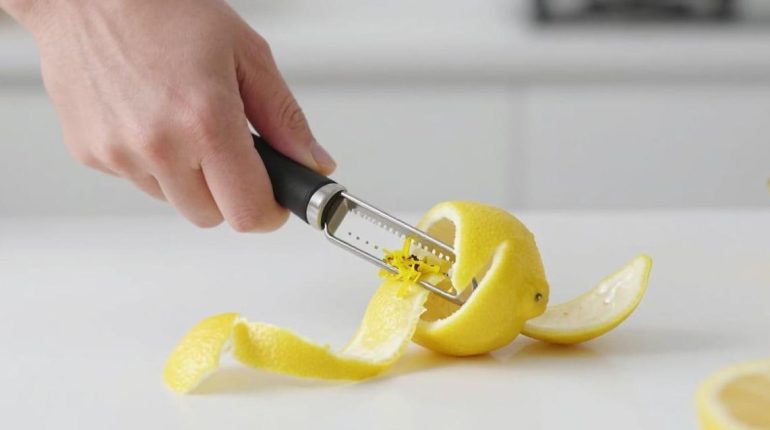
The success of homemade lemon powder relies on a precise technical gesture: the exclusive extraction of the aromatic part of the fruit. Start by selecting fresh lemons and wash them thoroughly to remove any trace of residue. The essential tool? A vegetable peeler or a zester that will allow you to take only the thin outer yellow layer, the one that concentrates the essential oils and aromatic intensity.
Vigilance is required during removal: absolutely avoid the white part located under the zest, that bitter area that would compromise the final quality of your powder. Use light and regular movements, following the natural curvature of the lemon. The resulting zest ribbons should reveal a bright yellow color, a sign that you have captured the pure essence of the fruit.
This meticulous preparation directly conditions the aromatic concentration of the final product. Each zest becomes the carrier of a vibrant flavor which, once transformed, will bring that intense lemony touch to culinary creations. The next step will transform these golden ribbons into concentrated matter, ready to release all its gustatory potential.
Dehydration: Transforming Fresh Into Aromatic Concentrate
Two options are available to dehydrate your zest: a professional dehydrator or a traditional oven. If you have a dehydrator, arrange the zest ribbons in a single layer on the trays, ensuring they do not overlap. For those opting for the oven, spread them evenly on a baking sheet lined with parchment paper.
Temperature determines the quality of the transformation. Set your dehydrator to a low temperature or preheat your oven to minimum heat. This gentle method preserves the essential oils that make up all the aromatic richness of the lemon. The process requires patience: allow several hours depending on the equipment used and the ambient humidity.
How to recognize successful dehydration? The zest must become brittle to the touch, without any trace of residual moisture. Test them by breaking them between your fingers: they should fragment easily, proof that all the water has evaporated. This crunchy texture guarantees that your zest is ready for the grinding stage.
Incomplete drying would compromise preservation and encourage the development of mold. So take the necessary time: it is better to prolong dehydration than to rush the process. These perfectly dry ribbons now contain all the lemony intensity in a stable form, ready to be pulverized into an exceptional powder.
From Dry Zest To Fine Powder: The Perfect Grind
Once your zest is perfectly dehydrated, the crucial grinding step will transform these brittle fragments into a fine and homogeneous powder. A coffee grinder or spice grinder is the essential equipment for this operation. These devices develop enough power to effectively pulverize the dry matter while preserving the concentrated aromas.
Place a small amount of dried zest in the grinder bowl. Avoid overfilling it: working in small portions guarantees a uniform grind. Operate the device in short pulses rather than continuously, which allows you to control the fineness obtained. Lightly shake the container between each pulse to redistribute the pieces and obtain a homogeneous texture.
The final consistency depends on your culinary needs. For pastry applications, prefer an ultra-fine powder that disperses easily in preparations. For seasonings or marinades, a slightly coarser grind provides more texture. Regularly check the progress: the powder should be fluid, without clumps or residual pieces.
Optionally sift the result to remove coarser particles and guarantee absolute fineness. This bright yellow powder, vibrant with lemony aromas, is now ready to enhance your culinary creations and reveal all its versatility in the kitchen.
Storage And Culinary Applications Of The Lemon Treasure
Your homemade lemon powder deserves proper storage to preserve its aromatic intensity. Transfer it immediately to an airtight container, ideally made of opaque glass or metal, which will protect it from moisture and light. These two enemies quickly degrade the essential oils concentrated in this preparation. Place the container in a dry cupboard at room temperature: thus packaged, your powder retains its taste qualities for six months to a year.
This preparation displays remarkable versatility in the kitchen. It enhances classic desserts: incorporate it into your cake batters, pastry creams, or frostings for a powerful and balanced lemony note. In savory cooking, it revolutionizes your preparations: sprinkle it over grilled fish, integrate it into marinades for poultry, or mix it with salt to create an original seasoning.
Compared to industrial products, your artisanal powder has decisive advantages. It contains only pure lemon, without additives, preservatives, or artificial flavors. Its aromatic intensity far surpasses that of commercial versions, which are often diluted or altered. You also control the source of your lemons, guaranteeing optimal quality.
This golden powder embodies the very essence of fresh lemon, concentrated and available all year round, transforming every dish into a refined creation thanks to this exceptionally fragrant natural condiment.