📌 Homemade fried shrimp: how to reduce calories and fat without losing the crunch
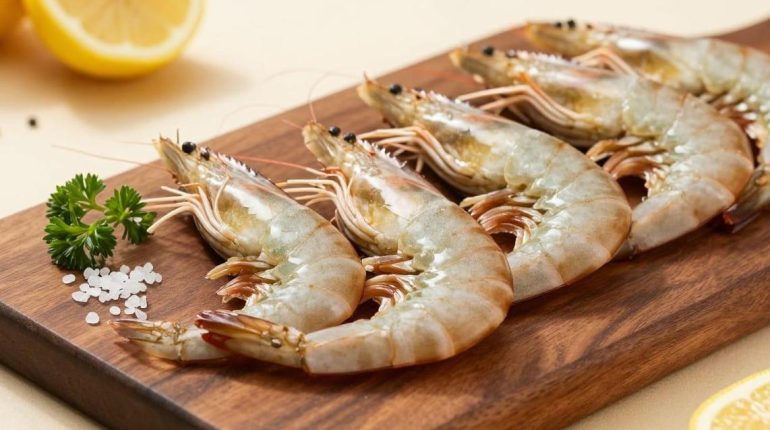
Posted 9 February 2026 by: Admin
The Secrets Of Perfect Fried Shrimp: Why This Dish Is Universally Loved
From family tables in Shanghai to the menus of gourmet restaurants in New York, fried shrimp transcend borders. This global popularity is based on a simple but irresistible equation: a golden, crispy exterior that gives way to reveal tender, juicy meat. This contrast of textures, combined with the natural sweetness of the crustacean, explains why this dish is equally at home at family dinners and festive receptions.
Beyond taste pleasure, shrimp possess remarkable nutritional assets. Naturally high in protein and low in carbohydrates, they concentrate essential nutrients: selenium for cellular protection, vitamin B12 for the nervous system, and omega-3s beneficial for cardiovascular health. A rare nutritional cocktail in the animal kingdom.
Yet, this native virtue faces a reality: frying radically transforms the profile of this crustacean. The oil absorbed during cooking and the coating multiply calories and fats. The dip in the boiling oil bath, which creates that sought-after texture, fundamentally changes the health equation. A metamorphosis that must be mastered to preserve the balance between indulgence and well-being.
The Nutritional Equation: When Frying Changes Everything
This caloric metamorphosis is not inevitable. Unlike the versions served in most restaurants, where frying oil is reused and the coating is overloaded, home preparation offers total control over every component. The choice of oil, the thickness of the breading, and the cooking temperature become adjustable variables to limit lipid absorption.
The numbers speak for themselves: while a portion of plain shrimp provides about 100 calories, the standard fried version can reach 300 to 400 calories depending on the coating. Classic vegetable oil, heated to high temperatures, seeps into the breadcrumbs and triples the energy intake. A considerable gap explained by the absorption capacity of traditional breading.
However, alternatives exist. Replacing white flour with almond flour reduces the glycemic index. Opting for avocado oil, with its high smoke point and monounsaturated fatty acids, improves the lipid profile. These simple adjustments allow for maintaining the sought-after crispy texture while mitigating the nutritional impact. Home preparation then becomes a rewarding experience: savoring an iconic dish without totally giving up on health goals. An equation finally mastered, provided you know the right ingredients.
The Precise List Of Ingredients For Guaranteed Success
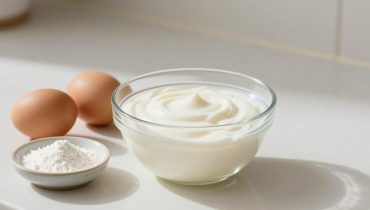
Mastering the nutritional equation requires knowing exactly the components involved. For 500 grams of large peeled and deveined shrimp, three successive layers guarantee the desired crunch: 1 cup of all-purpose flour, 2 large beaten eggs, and 1 cup of panko breadcrumbs. The latter, with its airy flakes, absorbs less oil than classic breadcrumbs while offering an incomparable texture.
Spices transform this basic trio into a memorable dish. A teaspoon of garlic powder brings aromatic depth, paprika adds a subtle smoky note, while black pepper and salt balance the whole. This limited palette avoids taste overload and highlights the natural sweetness of the shrimp.
Health alternatives integrate without compromising the result. Replacing white flour with almond or whole wheat flour reduces the glycemic impact. Avocado oil, with its smoke point of 270°C, stands up to heat better than standard vegetable oil and enriches the dish with monounsaturated fatty acids. Chopped parsley, optional, brings visual freshness, while lemon wedges complete the dish with their bright acidity.
This exhaustive list eliminates improvisation. Every gram in the coating counts, every spice plays a precise role. It remains to orchestrate these elements according to techniques that transform ordinary ingredients into an extraordinary dish.
Essential Techniques And Final Presentation
The orchestration of ingredients begins with the oil temperature. Between 175 and 190°C, frying instantly seals the coating without soaking the shrimp. A culinary thermometer eliminates guesswork: below this, the breading absorbs oil; above, it burns before the center cooks. Avocado oil, with its higher smoke point, tolerates these variations better than classic vegetable oils while reducing toxic compounds generated by excessive heat.
Immersion time is measured in seconds. Two to three minutes are enough for medium shrimp, four maximum for the largest. The uniform golden color signals success: too pale indicates insufficient cooking, too dark betrays overcooking. Removing the shrimp onto paper towels captures excess oil without softening the crust.
The finish transforms the technical dish into a sensory experience. Chopped parsley, sprinkled just before serving, adds a herby note that contrasts with the richness of the frying. Lemon wedges, squeezed at the last moment, cut through the richness with their bright acidity and wake up the taste buds between each bite.
These precise gestures, repeated with consistency, produce results worthy of the best tables. The difference between mundane and memorable fried shrimp lies in these seemingly minimal details that, when assembled, create excellence.