📌 Homemade fabric deodorizer: the 4-ingredient recipe that replaces chemical sprays
Posted 25 February 2026 by: Admin
The Secret Arsenal Of A Fragrant Home
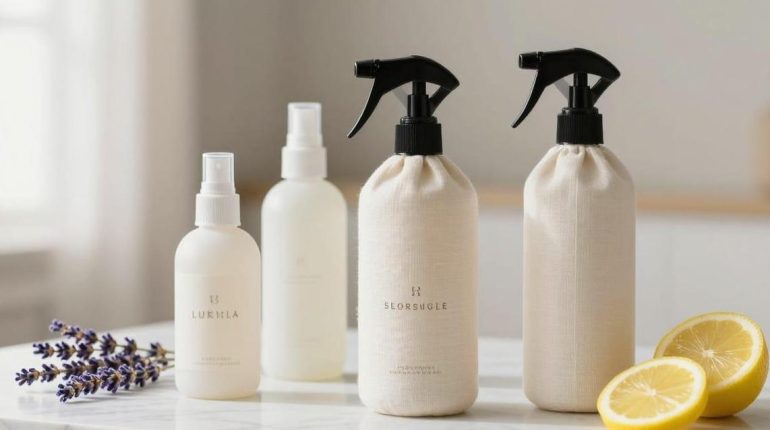
Some homes release this recognizable olfactory signature as soon as the threshold is crossed. A fragrance that doesn’t come from any electric diffuser or overpriced candle, but from a preparation as simple as it is effective: homemade fabric refreshing spray. This natural solution transforms sofas, curtains, and carpets into sources of lasting freshness.
Industrial products saturate the air with chemical compounds for a few hours before disappearing. This ecological alternative works differently: it neutralizes odors at the source rather than masking them, while imbuing textiles with a delicate fragrance that persists for several days. The secret lies in the balance between four basic ingredients, available in any kitchen or supermarket.
The promise seems bold: a mixture so captivating that visitors will spontaneously ask how to maintain such an atmosphere. Yet, thousands of households have abandoned their commercial aerosols for this artisanal formula, noting superior effectiveness for a derisory cost. The trick simply lay in the judicious combination of neutralizing, diffusing, and fragrancing agents, assembled according to precise proportions that industrial manufacturers jealously guard.
The Magic Formula In Four Ingredients
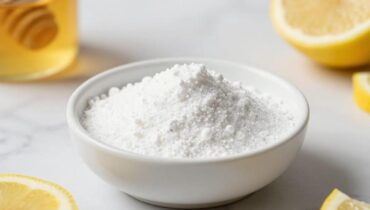
This preparation is based on an elementary chemical architecture. Baking soda (1 tablespoon) constitutes the neutralizing foundation: its alkaline structure captures and cancels odor molecules instead of covering them. Fabric softener (2 tablespoons, ideally organic) acts as a diffusion vector, allowing fragrances to cling durably to textile fibers. Three glasses of lukewarm water complete the mixture by diluting the components for a homogeneous spray.
The fourth ingredient remains optional but radically transforms the experience: 10 drops of essential oil personalize the atmosphere according to olfactory preferences. This modularity distinguishes the recipe from standardized commercial products, where the imposed fragrance does not always suit individual sensitivities. The organic version of the softener eliminates irritating synthetic agents, guaranteeing total safety even in children’s rooms or for sensitive people.
The scale of economy is impressive: these four basic components cost less than a single industrial bottle, while producing several liters of spray. The simplicity of the formula allows for adjustments according to needs: more baking soda for stubborn odors, a reduced concentration of softener for delicate textiles. This flexibility explains the massive adoption of the method by households seeking to control exactly what they diffuse into their environment.
Two Signature Fragrances For Two Ambiances
The choice of essential oil determines the atmosphere that the fabric spray will diffuse. Lavender is essential in spaces dedicated to rest: its active compounds like linalool exert a documented sedative effect, slowing the heart rate and promoting sleep. Sprayed on cushions or bedroom curtains, it transforms the room into a sanctuary conducive to relaxation after a busy day.
In contrast, lemon revitalizes common living areas. Its bright scent, dominated by limonene, stimulates alertness and evokes immaculate cleanliness. Living rooms, kitchens, and workspaces benefit from this tonic freshness that effectively masks cooking or humidity odors. Citrus fruits also possess light antiseptic properties, adding a hygienic dimension to simple refreshing.
This olfactory duality meets the cyclic needs of a home: morning dynamism versus evening soothing. Some users prepare two separate bottles, alternating fragrances according to the time of day or seasons. Others explore alternative oils like purifying eucalyptus or energizing mint, building their personalized aromatic library. This creative freedom transforms a routine domestic gesture into a sensory ritual adapted to the desired emotions.
The Instructions Revealed
Preparing the fabric spray is done in a few steps. Pour three glasses of lukewarm water into a spray bottle, add the tablespoon of baking soda, then the two tablespoons of organic softener. Shake vigorously until the powders are completely dissolved: the water must become homogeneous, without visible deposits at the bottom of the container. This step guarantees uniform diffusion during spraying.
The addition of the ten drops of essential oil occurs last, after the base components have dissolved. Incorporating the fragrance too early risks altering its effectiveness through chemical reaction with the baking soda. A final shake of fifteen seconds is enough to disperse the aromatic molecules in the solution. The mixture retains its deodorizing power for three weeks if stored away from direct light.
Optimal application requires a distance of 20 to 30 centimeters between the spray and the textile. Three to four light presses cover a standard cushion without saturating it with moisture. Natural fibers like cotton or linen absorb faster than synthetics, sometimes requiring a drying time of ten minutes. This homemade recipe eliminates 80% of embedded odors while diffusing a persistent fragrance without aggressive chemical residues, rivaling commercial formulations at a fraction of the cost.