📌 Homemade custard tart: how to get the perfect crispy-melting contrast in 20 minutes of preparation
Posted 13 March 2026 by: Admin
The Art Of A Timeless Classic: Origins And Secrets Of The Custard Tart
Some desserts transcend fashions and anchor themselves in the collective memory as childhood markers. The custard tart belongs to that rare category of recipes that cross decades without ever losing their evocative power. Each bite awakens memories of snacks from the past, kitchens smelling of vanilla, and family tables where time seemed suspended.
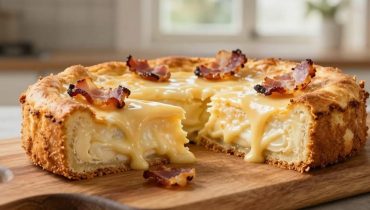
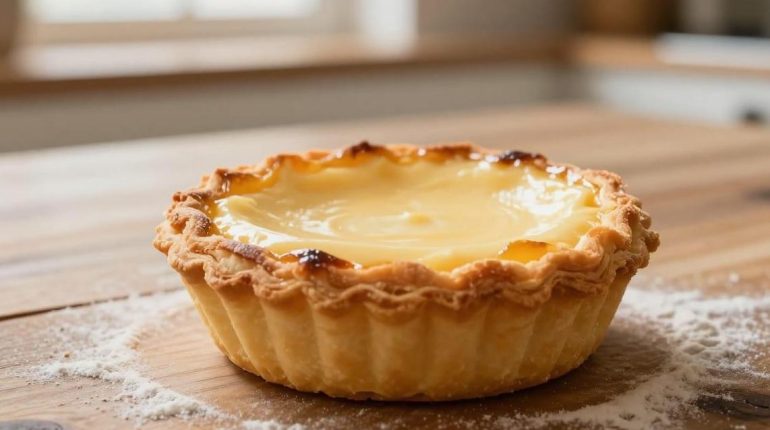
This pastry draws its strength from an apparent simplicity: milk, eggs, sugar, and cornstarch. Nothing exotic, no inaccessible ingredients. Yet, alchemy occurs with every bake. The contrast between the golden puff pastry, which cracks under the tooth, and the smooth cream that melts instantly on the palate creates a sensory experience that few desserts equal.
This marriage of textures explains why the recipe is passed down from generation to generation. The crispy pastry offers resistance, the vanilla cream brings sweetness. The perfect balance between structure and melting, between rusticity and elegance. A dessert that never grows old precisely because it focuses on the essentials: simple products, an accessible technique, and that magic that transforms ordinary ingredients into an imperishable memory.
Detailed Recipe: Steps For A Perfect Tart
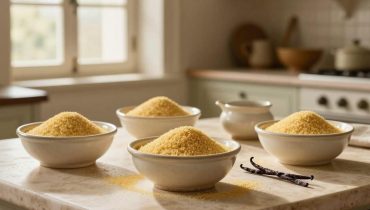
This gustatory alchemy relies on a precise method, accessible even to beginners. For 6 to 8 servings, gather 1 liter of whole milk, 4 eggs, 80 grams of cornstarch, 150 grams of sugar, and a packet of vanilla sugar. The equipment is limited to a mold, a bowl, a whisk, and a saucepan. That’s one hour of your time, including 20 minutes of active preparation.
Success first depends on the cream. Heat the milk with the vanilla until simmering. Meanwhile, whisk the eggs, sugar, and salt until a frothy texture is obtained. Incorporate the cornstarch to eliminate any lumps, then gradually pour in the hot milk while stirring. This incorporation technique avoids the sudden coagulation of the eggs. Put the mixture back on medium heat and whisk continuously until thickened.
Meanwhile, roll out the puff pastry in the mold and prick it with a fork to prevent swelling. Pour the hot cream directly onto the raw pastry, smoothing the surface. Bake for 35 to 40 minutes at 180°C. The surface should take on a characteristic golden hue, a sign that the cream has set without drying out.
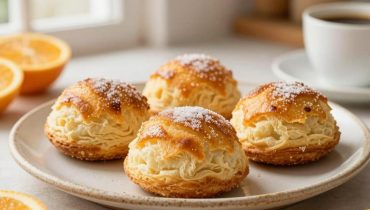
Let cool for at least 30 minutes. The cream firms up outside the oven, creating that melting texture that characterizes the dessert. A dusting of powdered sugar before serving enhances the presentation without altering the balance of flavors.
Secrets Of Success And Personalization
The difference between a decent tart and a memorable one lies in three technical details. Whole milk, not skimmed, brings that creaminess that distinguishes professional pastry creams. Constant mixing during cooking prevents the formation of lumps and guarantees a silky texture. The gradual incorporation of hot milk into the eggs tempers the mixture and avoids sudden cooking that would ruin the preparation.
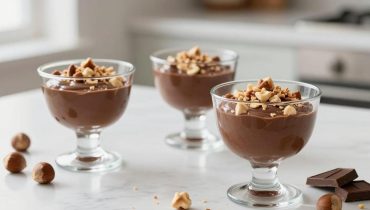
This mastered base opens a field of gourmet possibilities. For a fresh version, integrate the zest of a lemon into the hot cream. The lemony acidity balances the vanilla sweetness and brings a spring note. Chocolate lovers can incorporate 100 grams of melted dark chocolate into the still-hot cream, transforming the dessert into a cocoa variation. A drizzle of caramel poured before serving offers a third variation, more indulgent and contrasted.
Cooling remains crucial. These 30 minutes out of the oven are not just a wait, but a chemical phase where the cream gradually firms up. Serving too early compromises the hold, too late alters the temperature contrast with the pastry. The optimal moment is when the cream reaches room temperature, firm to the touch but melting in the mouth.
This versatility explains why the recipe crosses eras without aging, adapting to tastes without losing its soul.
Tasting And Storage: Maximizing Gourmet Pleasure
The moment of serving this tart deserves as much attention as its preparation. Accompanied by a strong coffee, it reveals all its vanilla depth. A light tea preserves the delicacy of the cream, while a hot chocolate amplifies the comforting dimension of the dessert. Fresh fruits, particularly strawberries and raspberries, bring a welcome acidity that balances the richness of the pastry cream.
This tart offers two distinct taste experiences depending on the serving temperature. Cold, straight from the refrigerator, it presents a firm and refreshing texture, perfect for hot days. Slightly warm, the cream regains its original softness and the pastry retains its crispness, creating a more marked sensory contrast.
Optimal storage is achieved in the refrigerator for a maximum of 2 to 3 days. Plastic wrap protects the surface from oxidation and preserves the moisture of the cream. Beyond that, the pastry gradually absorbs moisture and loses its crispness. With about 320 calories per slice, this dessert remains reasonable as part of a balanced diet.
Its versatility of use is its major asset: Sunday dessert, improvised snack, or gourmet finale to a meal with friends. This tart adapts to every occasion without ever disappointing, confirming its status as a reliable staple of home baking.