📌 Homemade cordon bleu: the chefs’ technique for ultra-crispy breading and cheese that doesn’t leak
Posted 27 March 2026 by: Admin
The Secret Of A Revisited Classic: The Fundamentals Of Homemade Cordon Bleu
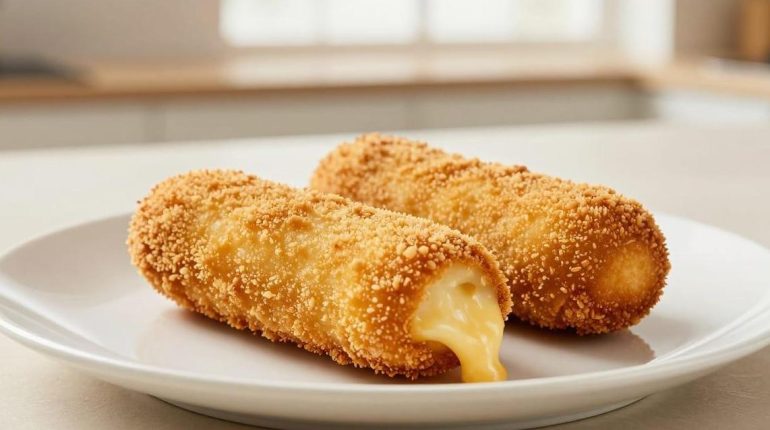
Behind its golden breading lies one of the most emblematic dishes of French family cuisine. Homemade cordon bleu seduces with a contrast of textures that defines its success: the crispy exterior gives way under the tooth to reveal a melting heart where warm cheese envelops the savory ham, all nestled in a perfectly tender chicken cutlet.
The difference with industrial versions jumps to the taste buds from the first bite. While frozen products often offer a breading that is too greasy masking a minimalist filling, the homemade version offers total control over quality: choice of fresh cutlets, selection of cheese according to your preferences, adjustment of the breading thickness. This mastery transforms an ordinary dish into an accessible gastronomic creation.
Contrary to popular belief, this recipe requires no advanced culinary skills. With four cutlets, ham, cheese, and the basic ingredients for breading, you get a result that impresses for barely 35 minutes of total investment. The technique relies on simple gestures that even beginner cooks perform without difficulty.
This convivial classic adapts to all occasions: express weekday meals when time is short, main course for entertaining guests, or even preparation in advance thanks to its excellent storage capacities. The versatility of cordon bleu makes it the ally of cooks looking for a balance between efficiency and indulgence.
The Infallible Technique In 4 Steps
Success with cordon bleu relies first on carefully flattening the cutlets. Placed between two sheets of parchment paper, they must reach a uniform thickness under the regular strokes of a rolling pin. This homogeneity guarantees simultaneous cooking of all areas and considerably facilitates rolling without risk of tearing.
Assembly requires precision and firmness. Place a slice of ham on each salted and peppered cutlet, then the cheese on top. Fold the sides toward the center like an envelope before rolling the cutlet firmly on itself. The pressure exerted during this step determines whether the filling will remain trapped or escape during cooking. Toothpicks are only necessary if your cutlets lack natural elasticity.
The triple breading constitutes the crispy signature of the dish. Three plates are lined up: flour to absorb moisture, beaten eggs to create adhesion, breadcrumbs for the final texture. Each cordon goes through this chain methodically. For an exceptional crust, repeat the egg-breadcrumb pass: this double layer resists intense heat better and develops incomparable crispness.
Two paths lead to perfection depending on your priorities. The pan with a drizzle of oil and a knob of butter requires 5 to 6 minutes per side over medium heat, producing deep browning and caramelized aromas. The oven at 180°C takes 20 to 25 minutes with a turn halfway through, offering a lighter version without constant supervision. The decisive tip remains resting for 10 minutes in the refrigerator before cooking: the cold firms up the structure and prevents any deformation during the heat.
Chef’s Secrets For An Exceptional Result
This technical mastery finds its fulfillment in decisive adjustments that separate the good from the exceptional. Enriching the breadcrumbs with grated parmesan radically transforms the aromatic profile: the aged cheese brings an umami dimension that amplifies every bite while browning more intensely under the effect of its proteins.
Cheese management determines whether your cordon bleu will explode during cooking or maintain its structure. Never overload: a single slice is enough, chosen from melting varieties like mozzarella or raclette cheese. These soft cheeses create that emblematic flowing heart without exerting excessive pressure on the chicken envelope. Firmly pressing each layer of breading against the meat eliminates air pockets where heat could create cracks.
Thermal control requires a progressive approach that amateurs often neglect. Start on medium heat to sear the breading and create that first golden barrier, then slightly reduce the intensity. This technique prevents the classic paradox: a charred exterior masking a pink interior. A cooking thermometer eliminates all guesswork by confirming that the heart reaches 75°C, the temperature where chicken fibers firm up without drying out.
The addition of butter during pan cooking transcends simple frying. This noble fat carries aromas and nourishes the breading with a richness that neutral oil cannot reproduce. A 20-gram knob is enough, melted in the oil before adding the cordon bleus, to obtain that deep flavor reminiscent of professional kitchens.
Gourmet Variations And Optimal Storage
These technical fundamentals open up a territory of adaptations that extend the pleasure well beyond the classic recipe. Substituting emmental with raclette cheese or mozzarella di bufala intensifies the melting effect to create a liquid heart that flows generously at the first cut. This variation simply requires sealing the edges well to contain this milky lava during cooking.
The light version responds to nutritional constraints without sacrificing pleasure. Replace white breadcrumbs with a whole-wheat version, eliminate frying in favor of oven cooking at 180°C on slightly oiled parchment paper. This method reduces fat intake by 30% while preserving a satisfying texture, reaching 350 kcal instead of the usual 500.
To enrich the experience, brush the inside of the cutlet with a thin layer of whole-grain mustard or thick crème fraîche before adding ham and cheese. These condiments bring acidity or creaminess that balance the richness of the dish. The vegetarian alternative substitutes ham with thin slices of grilled zucchini and eggplant, creating an unexpected variation that maintains the structure of the dish.
Classic side dishes follow a logic of balance: crispy fries or creamy mash marry the texture of the cordon bleu, while a vinegary green salad or steamed vegetables provide the necessary freshness to lighten the whole.
Storage is organized strategically: cooked cordon bleus keep for a maximum of 48 hours in the refrigerator, but frozen raw they wait for up to two months. Always reheat in the oven at 160°C for 12 minutes to resurrect the crispness that the microwave would irremediably destroy.