📌 Holy Basil (Tulsi): how this Indian plant protects your gums and naturally neutralizes bad breath
Posted 29 December 2025 by: Admin
Tulsi: An Ancestral Plant at the Service of Oral Hygiene
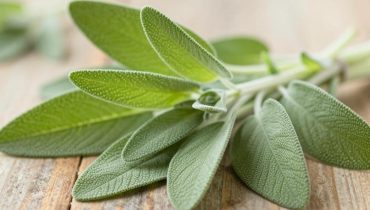
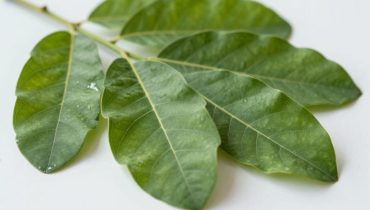
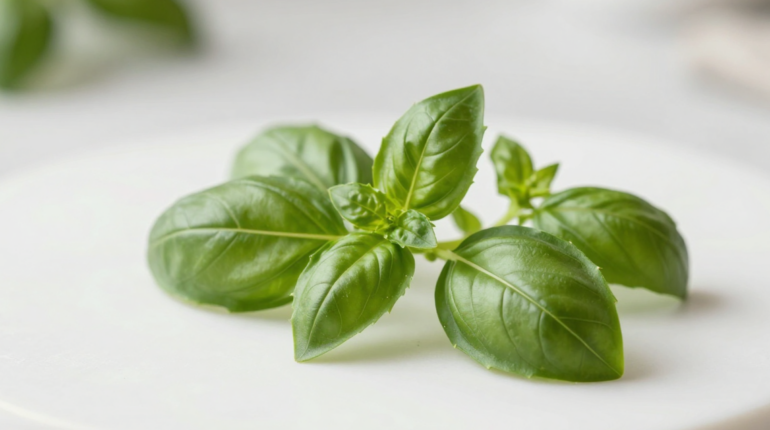
In the contemporary quest for natural alternatives to conventional products, a millenary plant is resurfacing with force: Holy Basil, known by its Sanskrit name Tulsi (Ocimum tenuiflorum). Native to the tropical regions of India, this member of the mint family has occupied a central place in Ayurvedic medicine for centuries, where it is revered for its cleansing, balancing, and protective virtues.
Beyond its culinary and spiritual uses, Tulsi has distinguished itself in traditional oral hygiene practices. Its active plant compounds — notably essential oils and polyphenols — create an oral environment unfavorable to excessive bacterial development, while preserving the natural balance of the oral flora. This double action explains why Ayurvedic practitioners already recommended rinsing with leaf infusions or direct chewing after meals.
What makes Tulsi particularly relevant today is its ability to simultaneously address several concerns: maintaining a clean mouth, supporting gum tissue, neutralizing odors, and protecting enamel. This holistic approach, inherited from a multi-millennial tradition, now resonates with a modern desire for less aggressive oral care, more respectful of the body and rooted in documented plant resources.
Four Traditional Benefits of Tulsi for Oral Health
This aromatic plant acts through four distinct mechanisms, each contributing to the general balance of the oral cavity.
First, Tulsi maintains a clean oral environment thanks to its natural antimicrobial compounds. Dental plaque results from unbalanced bacterial proliferation; the volatile oils contained in the leaves slow down this excessive growth without destroying the protective flora. Users report a sensation of prolonged freshness after rinsing, a sign of deep cleaning.
Second, its soothing properties support gum comfort. Sensitive or irritated gums often reflect chronic inflammation linked to bacterial accumulation. The phenolic compounds in Tulsi exert a calming action on gum tissue, promoting its resistance to daily aggressions. This characteristic explains its traditional use in cases of fragile gums.
Third, the plant naturally neutralizes odors responsible for bad breath. Anaerobic bacteria produce volatile sulfur compounds; Tulsi’s aromatic oils absorb and neutralize them, providing fresh breath without chemical additives. Chewing a few leaves after meals is an ancestral practice still valued today.
Finally, its antioxidants protect tooth enamel against food acidity. Acidic drinks and sugars create an environment favorable to demineralization; Tulsi helps buffer these attacks, progressively strengthening the tooth structure.
Three Traditional Methods of Using Tulsi in an Oral Routine
These benefits are realized through simple, accessible, and daily reproducible protocols.
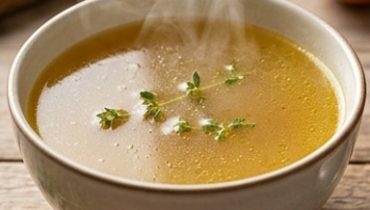
The most common method is to prepare a homemade mouthwash. Boil a handful of fresh leaves in 250 ml of water for 10 to 15 minutes, let cool, filter, and store in a clean glass container. Use this infusion twice a day as a gentle 30-second rinse. This preparation combines water-soluble active compounds, offering immediate cleansing and soothing action.
Chewing fresh leaves represents a particularly effective ancestral practice. After each meal, chew 2 to 3 leaves for one minute, then rinse with clear water. This technique releases essential oils directly in contact with teeth and gums, while mechanically stimulating the tissues. The freshness felt testifies to the action of the aromatic compounds on the oral flora.
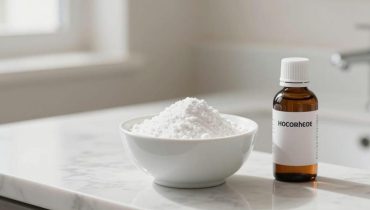
Finally, some enthusiasts create a homemade toothpaste by crushing fresh leaves mixed with a spoonful of coconut oil and a pinch of baking soda. This paste is used occasionally as a complement to regular brushing, providing a gentle herbal cleaning. Coconut oil carries the active principles while baking soda exerts a light mechanical action.
These three approaches share the same philosophy: gradually integrating the benefits of Tulsi without disrupting established hygiene habits.
Precautions for Use and Responsible Integration into Daily Hygiene
This progressive integration requires a responsible framework to avoid any therapeutic misuse.
Tulsi is a natural supplement, never a substitute for fundamental actions: twice-daily brushing for two minutes, daily flossing, and semi-annual dental consultations. These conventional practices mechanically remove plaque and allow for early diagnosis of pathologies. No plant, however virtuous, can replace this structured preventive approach.
Certain situations require increased vigilance. People allergic to Lamiaceae, pregnant or breastfeeding women, as well as patients under anticoagulant treatment should consult a professional before any regular use. Tulsi’s active compounds, although natural, interact with the body and may have specific contraindications. In the presence of severe gingivitis, abscesses, or tooth mobility, conventional medical treatment remains the priority.
The most coherent approach combines traditional wisdom and modern rigor: Tulsi enriches the hygiene routine by providing its soothing and cleansing properties, while professional care guarantees structural oral health. This synergy allows for the benefit of both worlds without opposing nature and science, tradition and modernity.
A healthy mouth results from a global approach where each element plays its complementary role.