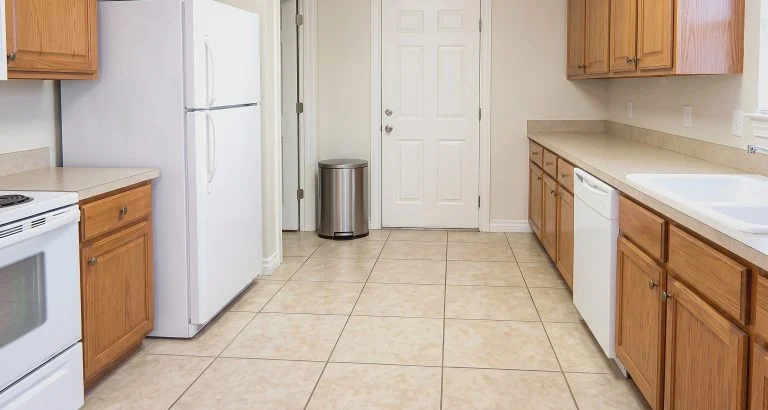
A couple’s vacation turned into a nightmare after the wife spotted a faint blinking light on a smoke detector — and discovered a hidden camera lens inside. The host’s defensive response only deepened suspicions that the surveillance had been intentional. The incident raises urgent questions about privacy, trust, and the limits of digital rental platforms.
En bref
- —A hidden camera was found inside a rental’s smoke detector
- —The host responded defensively, raising suspicion of intent
- —Photos later revealed a possible second hidden lens
A Blinking Light That Changed Everything
What began as a routine vacation quickly unraveled when a small detail caught the wife’s eye. A faint, blinking light on a smoke detector in the rental property prompted a closer look — and what she found was deeply alarming: a tiny hidden camera lens concealed inside the device.
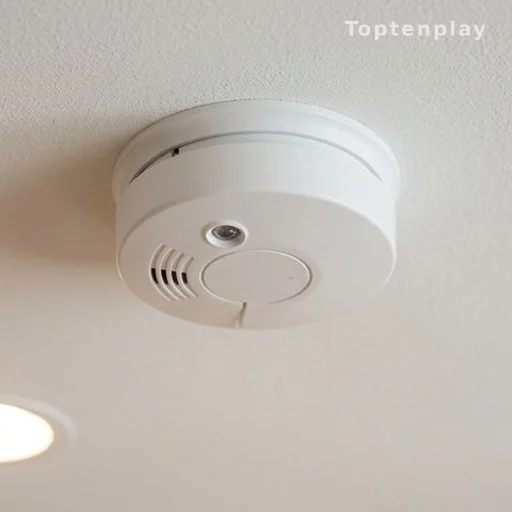
The couple had arrived to find the property exactly as advertised. Nothing appeared out of place at first. The unsettling discovery came only because one traveler paid attention to something most guests would have ignored entirely.
Once the lens was identified, the couple did not hesitate. They left the property immediately, choosing their privacy and safety over the inconvenience of finding alternative accommodation mid-trip.
Hidden cameras in rentals: a growing concern
Reports of hidden cameras discovered in short-term rental properties have multiplied in recent years alongside the rapid growth of platforms like Airbnb and Vrbo. While most platforms have policies prohibiting undisclosed recording devices, enforcement relies heavily on guest reports after incidents occur. The proliferation of miniaturized, affordable surveillance technology has made concealment increasingly easy.
A Suspicious Host Response Deepens Concerns
After leaving the property, the couple stopped at a nearby diner to process what had happened. Shaken but determined to warn others, they documented the device online, hoping to alert fellow travelers to the risk.
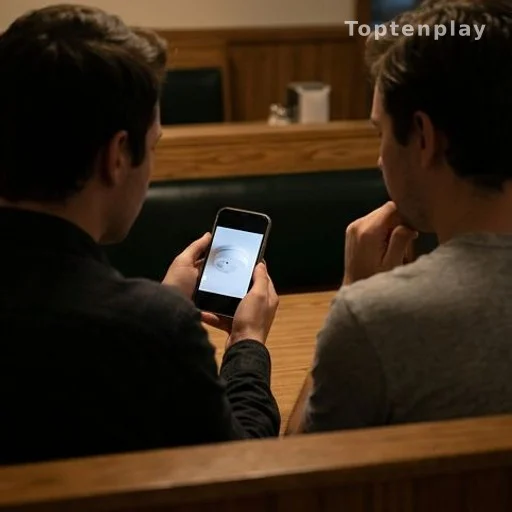
Rather than receiving an apology, they were met with a defensive response from the host. The language used suggested a degree of awareness that went beyond a simple mistake — raising the strong suspicion that the hidden camera had been placed there deliberately.
This reaction transformed an already disturbing situation into something more troubling. The couple was no longer dealing with a possible oversight; they were confronting the likelihood of intentional surveillance inside a private rental space.
A Second Lens and a Broader Pattern of Risk
The discovery did not end with the smoke detector. When the couple reviewed photos taken inside the property, they noticed reflections suggesting a second hidden lens positioned elsewhere in the rental. This confirmed what they had feared: the surveillance setup appeared deliberate and systematic.
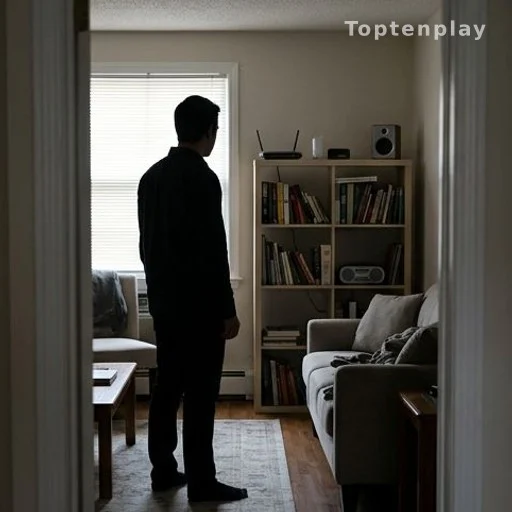
The revelation points to a wider vulnerability in the short-term rental market. Even listings with high ratings and verified host profiles can conceal hidden devices. The visual presentation of a property — its photos, reviews, and amenities — offers no guarantee of safety.
Digital platforms such as Airbnb typically respond to incidents after they are reported, rather than preventing them in the first place. This reactive model leaves a significant gap in traveler protection, placing the burden of vigilance largely on guests themselves.
What Travelers Can Do to Stay Safe
The experience forced the couple to adopt new habits on the spot: checking unfamiliar devices, securing personal accounts, and carefully documenting any suspicious equipment. Steps that once seemed unnecessary have become essential precautions for modern travelers.
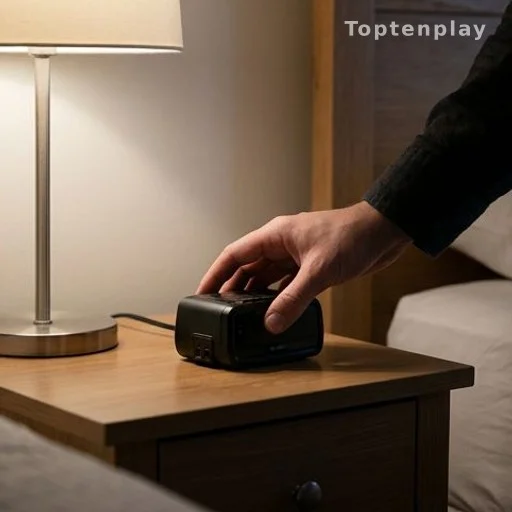
Experts and advocates increasingly recommend that guests inspect smoke detectors, alarm clocks, USB chargers, and other electronics upon arrival at any rental property. Hidden cameras are often concealed inside everyday objects precisely because they attract little attention.
Trusting one’s instincts also matters. As this case illustrates, a single blinking light — easy to dismiss — was the detail that exposed an entire surveillance setup. Convenience and an attractive listing should never take priority over personal safety.
Technology has made travel more accessible, but it has also introduced new forms of risk. Awareness, quick action, and a willingness to leave a property when something feels wrong are now as important as reading reviews before booking.
This couple’s experience is a stark reminder that the comfort and convenience of a well-reviewed rental listing can mask serious privacy risks. As surveillance technology becomes smaller and cheaper, the responsibility for personal safety increasingly falls on travelers themselves. Inspecting devices upon arrival, documenting suspicious equipment, and acting without hesitation when something feels wrong are no longer optional precautions — they are essential habits for anyone booking a short-term rental.