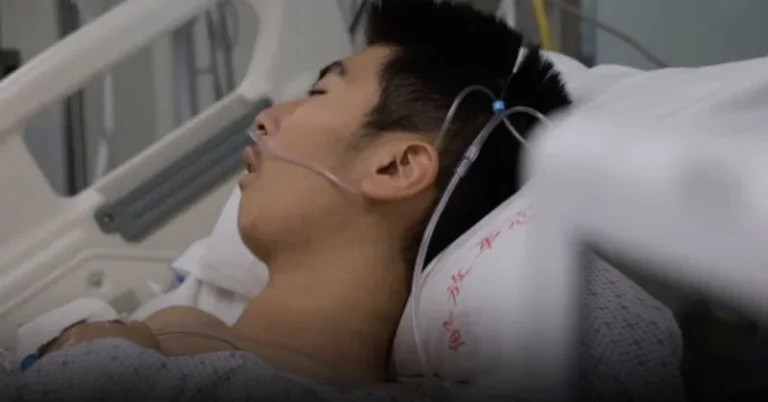
Women face a higher risk of misdiagnosis due to atypical symptom presentation
Heart attack symptoms are not identical across all patients. Women are more likely to experience subtler warning signs — fatigue, nausea, jaw pain and shortness of breath — without the chest pain that is typically associated with a cardiac event. This atypical presentation means heart attacks in women are sometimes misdiagnosed or overlooked entirely.

This difference makes awareness especially important. Any combination of the symptoms described — even without prominent chest pain — should prompt an immediate call to emergency services rather than a wait-and-see approach.
Medical guidance is clear on one point: do not attempt to drive to the hospital. Calling an ambulance allows treatment to begin en route, which directly improves the chances of survival and recovery. When in doubt, acting immediately is always the safer choice.
The key open question for patients and healthcare systems alike is whether public awareness campaigns are sufficient to close the gap in recognition — particularly for women, whose atypical presentations continue to result in delayed diagnoses. Ongoing medical education and broader dissemination of these symptom guidelines remain priorities in cardiovascular care.