Some traditional sources go further, listing specific therapeutic applications including diabetes, Alzheimer’s disease, insomnia, and hypopituitarism. These claims have not been scientifically validated, and the source itself acknowledges this, noting that many practitioners value the practice as part of a broader holistic wellness approach rather than as a medical treatment.
The spiritual dimension is also significant for many users. In Buddhist tradition, the gesture is said to be the one Lord Buddha held at the moment of enlightenment. Hindu accounts describe Lord Krishna using it while imparting the teachings of the Bhagavad Gita to Arjuna. These are traditional and spiritual claims rather than verified historical facts, but they illustrate why the gesture carries weight across multiple contemplative traditions.
Who should be cautious — and practical tips for getting started
Because the practice is traditionally believed to increase the air element in the body, those who experience difficulty with digestion or suffer from gas problems are advised not to overdo it. As the source cautions, "Those seniors who face difficulty in food digestion or suffer from gas problems in the stomach should not overdo this mudra. It may show some ill effects."
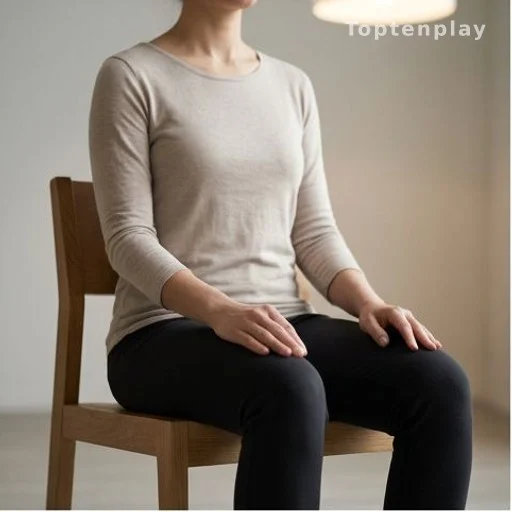
Practical guidance applies to everyone: practice on an empty stomach and avoid sessions immediately after tea, coffee, or a heavy meal. Anyone with back pain or physical limitations can adapt by sitting in a chair — the position itself matters less than maintaining focus and stillness. Stop immediately if any discomfort arises, and consult a yoga instructor or healthcare professional if needed.
For those building a new habit, the entry point is low: "With each touch of your fingertips, you invite a sense of calm and clarity to permeate your being," as one practitioner describes it. Five minutes in a quiet moment — before a meeting, during a commute, or before sleep — is a workable starting point that requires nothing beyond a comfortable seat and your own two hands.
Gyan Mudra asks very little to begin: a comfortable seat, a few minutes, and the simple act of touching thumb to index finger. The practice’s longevity across Buddhist, Hindu, and yogic traditions points to a gesture that has resonated with generations of practitioners — not as a medical solution, but as a daily tool for stillness and focus that, according to those who practice it consistently, compounds quietly over time.
Suggested Posts
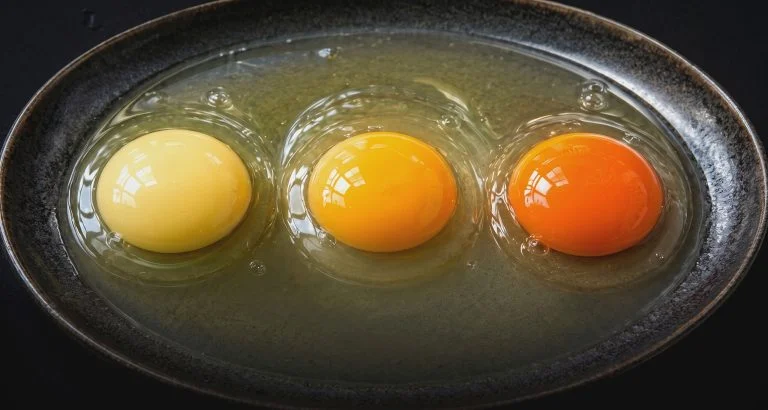
Egg yolk color doesn’t reveal what you think about your chicken
A deep orange egg yolk is widely taken as a sign of a healthier chicken and a more nutritious egg. That assumption is largely…