📌 Guava: Why eating the skin and seeds unlocks its true health benefits
Posted 7 December 2025 by: Admin
Nutritional Powerhouse And Composition
Guava stands apart as a nutritional anomaly in the tropical fruit world, delivering an exceptional concentration of essential nutrients in a single, compact serving. One fruit alone provides more than double the daily recommended intake of vitamin C, a fact that positions guava among the most potent natural sources of this vital immune-boosting compound. This remarkable nutrient density extends beyond ascorbic acid: the fruit simultaneously delivers substantial quantities of fiber, potassium, and antioxidants—each contributing to distinct physiological benefits.
The composition paradox becomes even more striking when caloric content enters the equation. At merely 37 calories per fruit, guava manages to pack this nutritional arsenal without the caloric burden typically associated with nutrient-dense foods. This efficiency explains its growing presence in health-conscious dietary protocols.
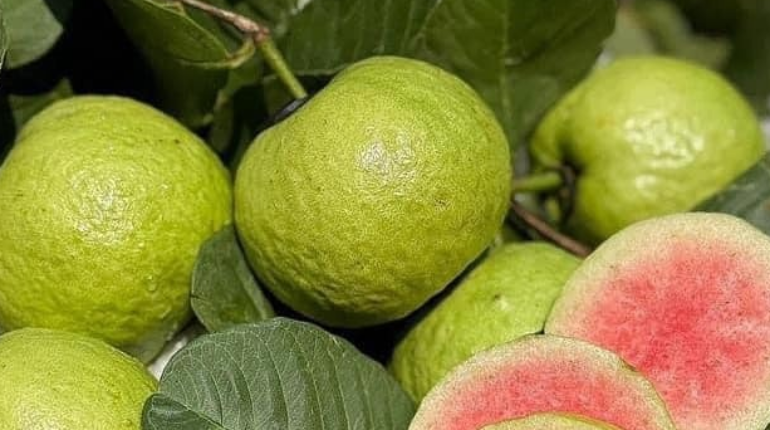
A frequently overlooked advantage lies in the fruit’s edible skin, which contains concentrated fiber and antioxidant compounds. Rather than a digestive barrier to remove, the thin green or yellow exterior functions as a nutrient-delivery mechanism, amplifying the health benefits of consumption. Similarly, the small, hard seeds nestled throughout the flesh contribute additional fiber and can be consumed either through chewing or swallowing whole, depending on personal preference.
This composition profile—high nutrient density coupled with minimal caloric impact—establishes guava as more than a simple tropical indulgence. It functions as a strategic nutritional intervention, particularly valuable for those seeking to optimize their daily micronutrient intake without compromising metabolic balance.
Digestive And Metabolic Benefits
The nutritional composition outlined above reveals only half the equation. What truly distinguishes guava is how efficiently the body processes and utilizes these compounds, creating a cascading series of internal benefits that extend far beyond simple nutrient delivery.
Guava’s exceptional fiber content acts as a metabolic catalyst, supporting digestive function with precision. Regular consumption prevents constipation while promoting optimal gut health—a foundational element often overlooked in discussions of superfood benefits. The edible seeds amplify this advantage, contributing additional fiber that enhances intestinal transit and microbiome balance. Beyond digestive mechanics, this fiber concentration directly addresses weight management: the same mechanism that aids digestion simultaneously creates sustained satiety, allowing the 37-calorie fruit to function as a strategically efficient snack.
The metabolic advantage intensifies when examining guava’s low glycemic index. Despite its natural sweetness, the fruit remains exceptionally suitable for individuals managing blood sugar levels—a distinction that separates guava from conventional sweet fruits. This combination of fiber abundance with minimal glycemic impact creates an unusual nutritional profile: a genuinely sweet fruit that supports, rather than destabilizes, metabolic stability.
This metabolic efficiency extends the fruit’s utility beyond casual consumption. For those navigating dietary constraints or seeking to optimize internal function, guava represents a rare intersection point—delivering substantial nutrients while actively supporting the body’s most critical regulatory systems. The implications become clearer when considering practical implementation strategies for consistent consumption.
Consumption Guidelines And Best Practices
The metabolic advantages guava provides demand deliberate consumption strategy to maximize benefits while avoiding potential drawbacks. Selecting the right fruit represents the foundational step in this optimization process.
When purchasing guava, prioritize fruits that yield slightly to gentle pressure with a fragrant aroma—clear indicators of ripeness and peak nutrient concentration. Avoid overly hard specimens or those bearing blemishes, as these signal either insufficient maturation or deterioration that compromises nutritional integrity. The difference between suboptimal and optimal selection directly impacts both taste and nutritional delivery.
Equally critical is respecting consumption limits. While guava’s nutritional profile invites generous intake, the very fiber concentration that provides digestive benefits can trigger bloating or stomach discomfort when excessive. The recommendation remains precise: limit consumption to 1–2 guavas daily. This boundary transforms guava from enthusiastic addition into sustainable dietary practice.
Guava’s versatility eliminates monotony from consistent consumption. Beyond raw consumption, the fruit adapts seamlessly to juice preparation, salad integration, smoothie blending, and dessert incorporation. This flexibility ensures long-term adherence to regular intake—a psychological advantage often underestimated in nutritional planning.
Proper storage extends this practical advantage. Unripe guavas thrive at room temperature until they reach optimal softness; refrigeration then preserves ripeness for up to one week. This simple protocol removes temporal constraints from fruit accessibility, enabling consistent consumption regardless of purchasing frequency.
Storage, Safety And Beauty Benefits
Preserving guava’s nutritional integrity extends beyond consumption strategy into storage and handling protocols. The fruit’s delicate composition demands respect for environmental conditions to maintain its concentrated nutrient density through the days following purchase.
Unripe guavas maintain quality at room temperature, allowing gradual maturation toward peak sweetness and nutrient bioavailability. Once softness indicates optimal ripeness, refrigeration extends shelf life up to one week—a practical window that eliminates waste while ensuring consistent access to premium specimens. This temperature transition preserves both flavor complexity and antioxidant potency during storage.
Safety precedes consumption enjoyment. Thorough washing removes dirt and pesticide residues that accumulate during cultivation and transit, transforming each fruit into a genuinely clean nutritional source. This simple practice eliminates contamination risks while respecting the fruit’s natural integrity.
Beyond internal health optimization emerges an equally compelling benefit: antioxidants and vitamins combat free radicals that accelerate skin aging and compromise complexion clarity. The polyphenols and vitamin C concentrated within guava actively prevent oxidative stress at the cellular level, promoting visible skin luminosity and structural resilience. Consistent consumption delivers what topical treatments merely promise—genuine beauty enhancement from internal nutritional support rather than external application.
Guava demonstrates that nutritional powerhouses need not compromise on accessibility or versatility, offering simultaneous benefits across metabolic function, food safety, and aesthetic enhancement within a single, economical fruit.