📌 Guava leaf tea: how this traditional infusion supports digestion, immunity, and metabolic balance
Posted 26 December 2025 by: Admin
Guava Leaf Tea: A Little-Known Botanical Treasure With Ancestral Virtues
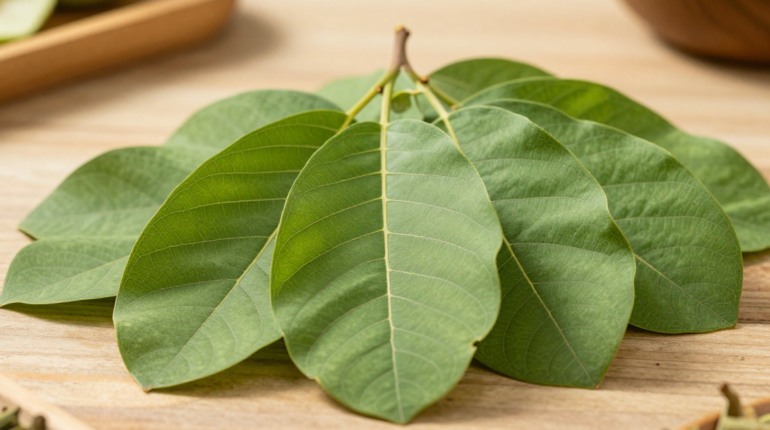
The guava fruit seduces with its tropical flavor and its richness in vitamin C. However, the leaves of this tree constitute a widely underestimated wellness resource, valued for centuries in the traditional medicines of Asia, Africa, and Latin America.
This ancestral infusion contains a remarkable concentration of antioxidants, notably flavonoids and tannins, associated with high levels of vitamin C. These plant compounds work in synergy to support the body’s internal balance, from digestion to metabolic regulation and joint comfort.
Unlike many expensive exotic superfoods, guava leaf tea stands out for its accessibility. A few fresh or dried leaves are enough to prepare a daily infusion, without specialized equipment or complex protocols. This simplicity explains why this ritual spans generations in tropical regions, where it represents a natural care gesture integrated into daily life.
The contemporary resurgence of interest in gentle botanical approaches gives this traditional practice a place in modern wellness routines. Between the search for naturalness and the quest for plant-based alternatives to industrial supplements, guava leaf tea embodies a return to basics: a plant, hot water, and the patience of a beneficial infusion.
This rediscovery is accompanied by legitimate questions about the real properties of this millennial drink.
Seven Recognized Traditional Benefits: From Digestion To Immune Support
Traditional uses of guava leaf tea are based on empirical observation passed down through the centuries. Active compounds identified by contemporary research—flavonoids, tannins, vitamin C—confirm the potential of this infusion to support several essential physiological functions.
Metabolically, this drink is traditionally consumed to support glycemic balance, particularly after carbohydrate-rich meals. The polyphenols contained in the leaves are thought to help modulate sugar absorption, thus promoting more stable energy levels. This property extends to maintaining a balanced lipid profile, with antioxidants playing a role in natural cholesterol management.
Digestive comfort is another preferred area of application. The tannins present exert a soothing action on the gastric mucosa, reducing bloating sensations and promoting regular digestion. At the same time, the infusion supports the filtration organs—liver and kidneys—in their function of eliminating daily metabolic waste.
On the circulatory side, flavonoids encourage gentle vascular relaxation, while natural anti-inflammatory compounds soothe stressed joints. Finally, the density of vitamin C strengthens natural defenses, positioning this tea as an accessible seasonal ally.
These supportive effects, although documented by traditional use, never substitute for medical advice. The true strength of this infusion lies in its ability to integrate harmoniously into a balanced lifestyle.
Home Preparation: Two Simple And Authentic Recipes
Integrating this ritual into your daily life requires neither sophisticated equipment nor special skills. The traditional method is based on a gentle infusion that preserves the integrity of the active compounds while revealing the subtle aromas of the leaves.
For the classic version, bring two cups of water to a boil before adding six to eight fresh leaves—or one to two teaspoons of dried leaves. Reduce the heat and simmer for ten to fifteen minutes. Strain, then enjoy plain or enhance with a squeeze of lemon and a spoonful of honey according to your preferences. This simple base is enough to extract the beneficial flavonoids and tannins.
The ginger variant amplifies the digestive and circulatory properties. Add two to three centimeters of finely sliced fresh ginger during boiling, then follow the same infusion procedure. This combination creates a plant synergy appreciated for its warming effect and reinforced metabolic support.
The key lies in regularity rather than intensity. A cup in the morning or late afternoon is enough to anchor this beneficial habit, without disrupting your existing routine. The accessibility of this preparation—a few minutes, basic ingredients—makes it a realistic and sustainable self-care gesture, far from the complex protocols that often discourage the best intentions.
Responsible Use: Precautions And Progressive Integration
Any beneficial practice requires discernment. The quality of the leaves is the first criterion: prioritize certified organic sources, free from pesticides and contaminants. Soiled leaves or those of doubtful origin compromise the sought-after benefits and expose you to unnecessary risks.
Progressive introduction is a fundamental rule. Start with one cup daily during the first week, observe your body’s reactions, then stabilize your consumption between one and two cups maximum. This moderation prevents any imbalance and allows you to evaluate your individual tolerance to the active compounds.
Certain situations require increased vigilance. People managing their blood sugar should consult a professional before integrating this infusion, as tannins influence glucose regulation. Similarly, those under treatment for blood pressure or taking anticoagulants require prior medical advice. Pregnant or breastfeeding women should avoid any consumption without medical validation.
This herbal tea represents a wellness supplement, never a therapeutic substitute. It supports the body’s natural balance within the framework of a global healthy lifestyle—balanced diet, regular physical activity, sufficient sleep. Consider it as an additional brick in the building of your health, not as an isolated miracle solution. This lucidity guarantees realistic expectations and a sustainable practice, anchored in traditional wisdom as much as in modern prudence.