📌 Guava leaf tea: how this natural infusion supports digestion, blood sugar, and immunity daily
Posted 3 February 2026 by: Admin
Guava Leaves: A Little-Known Tropical Treasure With Ancestral Virtues
Beneath the lush tropics, the guava tree hides a well-kept secret. While its juicy fruit has captivated taste buds for centuries, its leaves contain powerful plant compounds that traditional medicines have exploited for generations. Rich in flavonoids, tannins, and vitamin C, these dark green leaves contain a concentration of antioxidants that rivals that of the most celebrated superfoods.
In the ancestral practices of Latin America, Southeast Asia, and Africa, guava leaf infusion has long accompanied daily well-being rituals. Traditional healers prescribed them to soothe digestive disorders, relieve aching joints, and strengthen general vitality. This empirical wisdom now finds a scientific echo: modern research confirms the presence of bioactive compounds capable of supporting several bodily functions simultaneously.
This renewed interest is no accident. In an era where consumers seek accessible natural alternatives, guava leaf infusion stands out as an affordable and simple-to-prepare option. Unlike expensive food supplements or complex treatments, this herbal tea is easily grown and requires no industrial processing.
Key remains the nuance: this infusion constitutes a gentle daily support, not a medical remedy. It is part of a prevention and maintenance approach, offering natural accompaniment to the body’s protection and balance mechanisms.
Seven Documented Daily Benefits For Body And Mind
These bioactive compounds act on several body systems simultaneously. The antioxidants present in guava leaves support liver and kidney functions by neutralizing oxidative stress, thus promoting natural filtration and elimination processes. This protective action unfolds gently, without excessively taxing the organs.
The infusion also intervenes in the regulation of the glycemic response. Consumed after meals, it helps stabilize blood glucose variations, a mechanism particularly appreciated in traditions where metabolic balance is prioritized over blunt interventions. The flavonoids contained in the leaves appear to modulate carbohydrate absorption.
On the circulatory level, plant tannins encourage a healthy lipid balance and promote vascular relaxation. This combined action supports circulation fluidity while keeping arterial walls flexible. At the same time, natural anti-inflammatory properties soothe occasional joint stiffness and contribute to muscle comfort after exercise.
The digestive system benefits from notable relief: bloating, gas, and abdominal discomfort diminish thanks to the infusion’s calming compounds. Finally, vitamin C present in significant quantities strengthens natural defenses, completing a spectrum of action that extends from the liver to the joints, from the heart to immunity.
This versatility explains why traditional practitioners considered this herbal tea a global ally for daily well-being.
Home Preparation: Two Simple And Effective Recipes
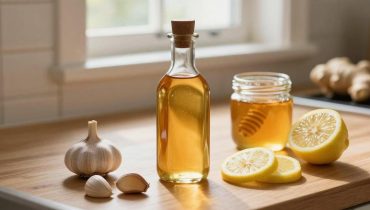
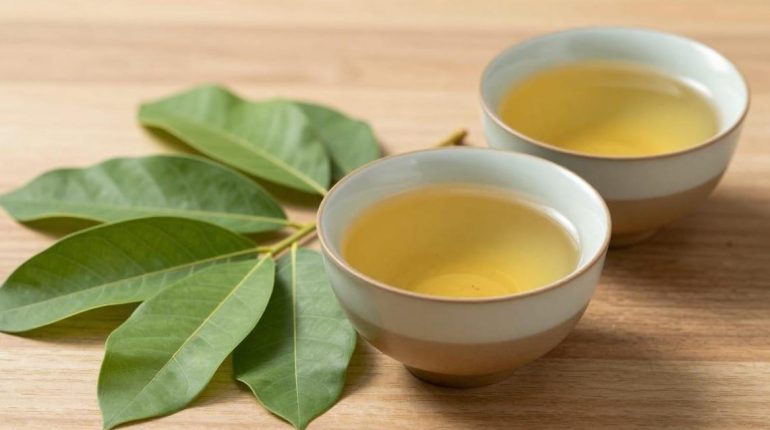
Transforming these leaves into an infusion requires neither sophisticated equipment nor special skills. The classic method uses 6 to 8 fresh leaves—or 1 to 2 teaspoons of dried leaves—steeped in 2 cups of boiling water. The key lies in simmering over low heat for 10 to 15 minutes, allowing the active compounds to be released gradually. Once filtered, the preparation reveals an amber hue with a light herbaceous taste, softened by a drizzle of honey or a slice of lemon according to preference.
To amplify digestive and circulatory effects, the ginger variant is a natural choice. Simply add 2 to 3 centimeters of sliced fresh root to the guava leaves once boiling. Ginger, recognized for its warming and anti-inflammatory properties, extends the action of the flavonoids while bringing a welcome spicy note. Both plants simmer together following the same time protocol, creating an aromatic and therapeutic synergy.
These two protocols share a common philosophy: simplicity of execution guarantees sustainable adoption. Preparing this infusion becomes a daily gesture as natural as morning coffee, without technical constraints or financial investment. The accessibility of this practice explains its persistence through generations, transcending passing fads to anchor itself in lasting well-being routines. It remains to determine the optimal frequency and precautions to observe to maximize benefits without risk.
Usage Tips And Integration Into A Balanced Routine
This simplicity of preparation should not overshadow the importance of dosage. Traditional practitioners recommend 1 cup daily at the start of adoption, with a strict limit of 2 cups maximum. Beyond that, the tannins present in the leaves risk disrupting the absorption of certain nutrients. This moderation is all the more crucial for people on hypoglycemic or hypotensive treatment, as the infusion potentializes these medicinal effects. Pregnant or breastfeeding women must systematically consult a health professional before any regular consumption.
The timeline for results varies according to the targeted body systems. Digestive comfort generally manifests within 3 to 5 days, while joint and circulatory benefits emerge after 2 to 4 weeks of continuous use. This progressive temporality serves as a reminder that the infusion acts as a biological accompaniment, not a rapid pharmacological intervention. Its effectiveness depends directly on its integration into a coherent lifestyle: a diet rich in plants, sufficient hydration, regular physical activity, and stress management.
Prioritizing organic leaves, carefully washed and from reliable sources, guarantees the absence of chemical residues. This qualitative requirement transforms the act of drinking into a conscious ritual, a moment of pause where delicate flavors and measured benefits converge. Guava infusion does not replace any medical treatment but enriches a lifestyle already oriented toward balance. Testimonials converge: those who adopt it long-term report an overall feeling of lightness and renewed vitality.