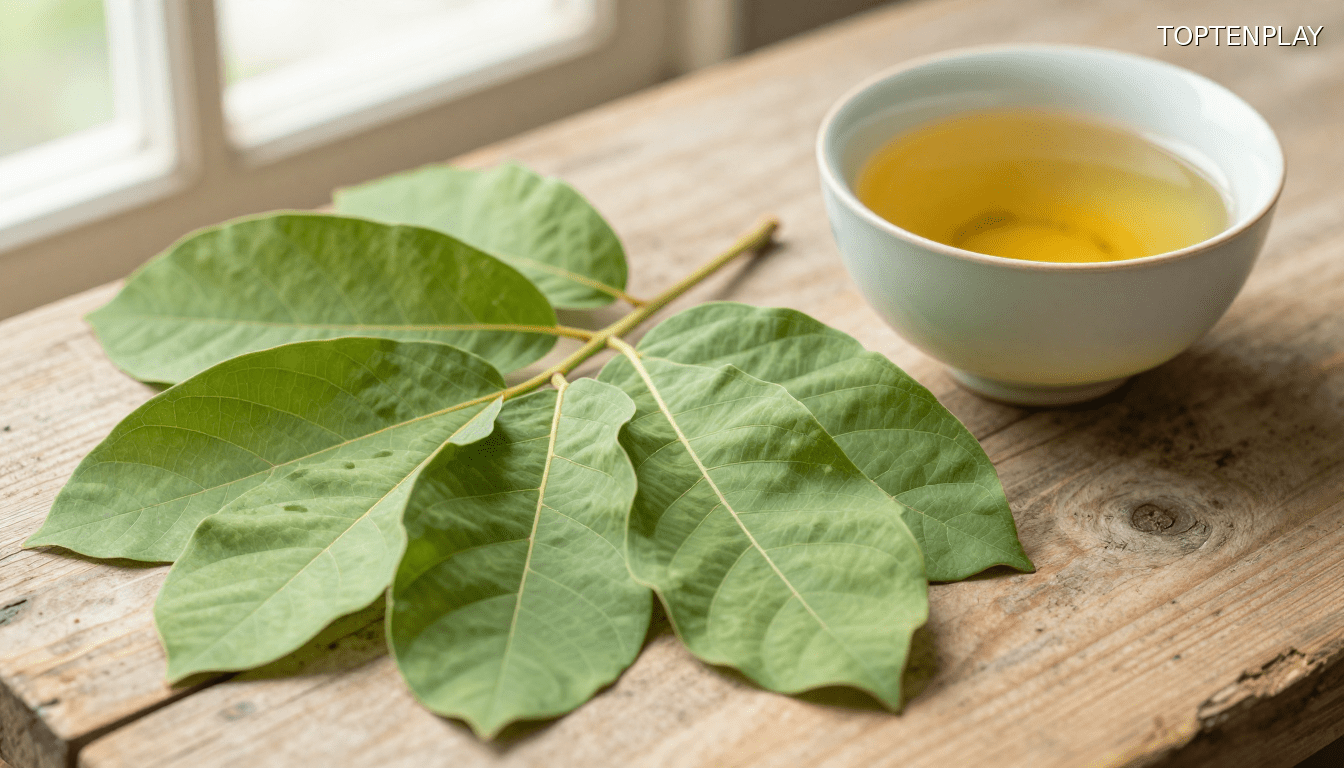
Guava Leaf Tea: A Little-Known Treasure of Traditional Phytotherapy
While the guava fruit occupies market stalls and gourmet recipes, its leaves hide an unsuspected wealth. For generations, tropical populations have prepared an infusion with recognized virtues, now rediscovered by followers of natural well-being.
This herbal tea contains flavonoids, tannins, and vitamin C in significant concentrations. Unlike the fruit which appeals with its flavor, it is precisely these bioactive compounds present in the foliage that explain its ancestral use to support digestion, metabolic balance, and general vitality.
Emerging research is progressively validating these traditional practices. The natural antioxidants concentrated in the leaves act on several physiological mechanisms, from slowing sugar absorption after meals to supporting liver and kidney filtration functions.
This accessible alternative easily integrates into a daily routine. No specialized equipment is required: a few leaves, boiling water, and fifteen minutes are enough to prepare this infusion that has spanned centuries. Simple, economical, and deeply rooted in transmitted knowledge, it embodies that everyday phytotherapy that our modern lifestyles are rediscovering with interest.

Seven Documented Virtues for Daily Balance
The bioactive compounds concentrated in these leaves are not a myth: they are the subject of scientific studies that shed light on their mechanisms of action. Guava leaf tea is not a medicine, but a natural ally whose potential benefits deserve a factual approach.
Oxidative stress attacks our filtration organs daily. The natural antioxidants present in this infusion support the liver and kidneys in their work of eliminating metabolic waste, an essential process for keeping the body in balance.
After meals, the ability to slow sugar absorption represents a major metabolic asset. The tannins contained in the leaves intervene precisely at this level, contributing to a more stable blood sugar level without replacing an existing medical treatment.
Cardiovascular health also benefits from this infusion. Phytochemical compounds participate in cholesterol balance and promote relaxed circulation, thanks in particular to the total absence of caffeine which allows for soothing consumption.
Natural anti-inflammatory properties provide joint comfort appreciated by those seeking a gentle approach to mechanical discomfort. Simultaneously, the digestive system benefits from a soothing of bloating and a regulation of transit, particularly after heavy meals.
Finally, vitamin C and antioxidants strengthen immune resilience, transforming this daily cup into a natural prevention ritual during seasonal changes or periods of intense demand.