📌 Green, yellow, or spotted bananas: here is which one contains the most antioxidants and truly helps your digestion
Posted 5 January 2026 by: Admin
The Nutritional Metamorphosis Of Bananas
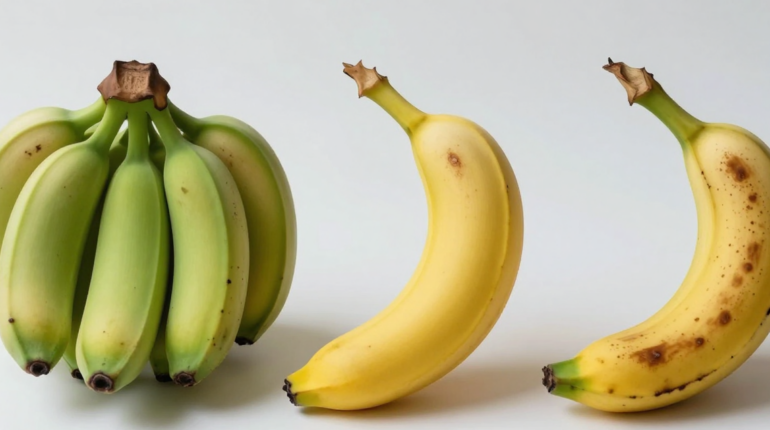
The transformation of a banana, from vibrant green to characteristic brown spots, is not a matter of chance. This meticulous process reflects a complete biochemical restructuring that radically alters the fruit’s composition. Chlorophyll gradually breaks down while complex starches convert into simple sugars: glucose, fructose, and sucrose. This metamorphosis explains why a spotted banana offers a significantly sweeter flavor than a fruit that is still firm and greenish.
Contrary to popular belief, these brown spots do not signal spoilage. On the contrary, they reveal an increased concentration of precious antioxidants. Levels of dopamine and catechins increase substantially with ripening, giving ripe bananas superior beneficial properties compared to their younger counterparts. This biochemical evolution also transforms the texture: the flesh becomes softer, the fibers loosen, thus facilitating nutritional assimilation.
Resistant starch, predominant in green bananas, gradually disappears in favor of directly assimilable carbohydrates. This conversion fundamentally changes the metabolic impact of the fruit according to its stage of maturity. Understanding these mechanisms allows for tailoring consumption to the specific needs of the body, whether it’s controlling blood sugar or benefiting from quickly available energy.
Green Bananas: The Asset For Slimming And Satiety
The resistant starch in green bananas operates differently from the simple sugars found in ripe fruits. This complex molecular structure passes through the stomach without being immediately digested, functioning like dietary fiber. The process slows gastric emptying, mechanically prolonging the feeling of fullness long after consumption. This characteristic strategically positions green bananas in diets focused on appetite control.
Unlike spotted bananas, rich in quickly assimilable carbohydrates, unripe versions maintain stable blood sugar levels. Resistant starch ferments in the colon, feeding beneficial gut bacteria and producing short-chain fatty acids. These compounds improve insulin sensitivity and participate in the regulation of energy metabolism. People seeking to limit glycemic spikes find a valuable ally in this stage of ripeness.
The firm texture and less sweet taste deter some consumers, yet these attributes precisely reflect the distinct nutritional composition sought. The absence of conversion into simple sugars preserves the integrity of the resistant starch, maximizing its effects on digestion. This biochemical specificity explains why a green banana provides progressive energy, avoiding the sharp fluctuations observed with riper fruits.
Spotted Bananas: Digestive Sweetness Revealed
The complete transformation of complex starches into simple sugars gives spotted bananas a little-known property: optimal digestibility for fragile gastrointestinal systems. The simplified molecular structure requires less enzymatic effort, reducing the load on the stomach and intestines. This ease of assimilation explains why people suffering from digestive discomfort tolerate this stage of ripeness better than green versions, which are more demanding on the digestive system.
The soft texture results directly from the breakdown of cell walls during ripening. This biochemical process transforms firm flesh into a creamy consistency, minimizing the mechanical work required for digestion. Digestive enzymes access nutrients more quickly, accelerating absorption without causing the heaviness sometimes associated with high-insoluble-fiber foods.
The fibers present in brown bananas retain their effectiveness despite the starch conversion. They stimulate intestinal peristalsis, promoting regular evacuation and preventing constipation. This dual action—ease of assimilation and transit support—positions spotted bananas as a therapeutic choice for anyone seeking both gastric comfort and digestive regularity.
The documented increase in antioxidants reinforces these digestive benefits. Dopamine and catechins protect the intestinal mucosa against oxidative stress, creating a favorable environment for harmonious digestion. This unique combination of quickly available sugars and protective compounds clearly distinguishes this stage of ripeness from less ripe alternatives.
Which Stage To Choose According To Your Needs
This variable nutritional richness depending on ripeness necessitates a strategic choice adapted to individual goals. Green bananas are essential for glycemic control: their resistant starch slows carbohydrate absorption, avoiding blood glucose spikes while prolonging satiety. This characteristic naturally destines them for weight management programs and for diabetics seeking lasting metabolic stability.
Conversely, yellow and spotted bananas deliver immediately available energy thanks to their simple sugars. Athletes exploit this property for post-effort recovery, when the body requires rapid restoration of glycogen stores. The high concentration of antioxidants—dopamine and catechins—amplifies this effect by reducing muscle inflammation and oxidative stress generated by intense physical activity.
For sensitive digestions, the stage of ripeness determines tolerance. The firm fibers of green bananas can irritate some fragile intestines, while the creamy texture and pre-digested sugars of spotted versions offer optimal gastric comfort. This mechanical and enzymatic difference directs the choice toward brown bananas for anyone prioritizing digestive gentleness.
The optimal nutritional response therefore lies in the alignment between the fruit’s profile and physiological needs: resistant starch and prolonged satiety for green ones, natural sugars and antioxidant protection for spotted ones. This adaptability transforms a simple fruit into a customizable nutritional tool, maximizing its benefits according to the metabolic context and individual health priorities.