📌 Ginger-Turmeric Vitality Infusion
Posted 7 April 2026 by: Admin
The smell arrives before everything else. As soon as the ginger slices hit the hot water, something spicy and alive settles throughout the kitchen. This herbal tea is five ingredients, fifteen minutes, and an honest result.
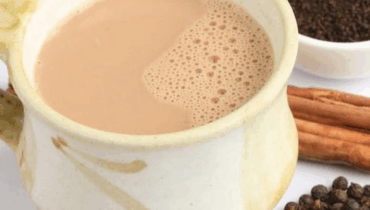
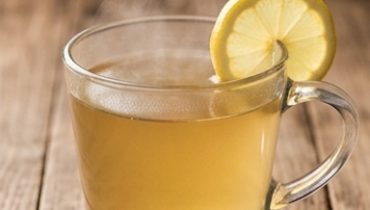
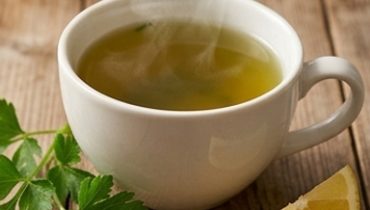
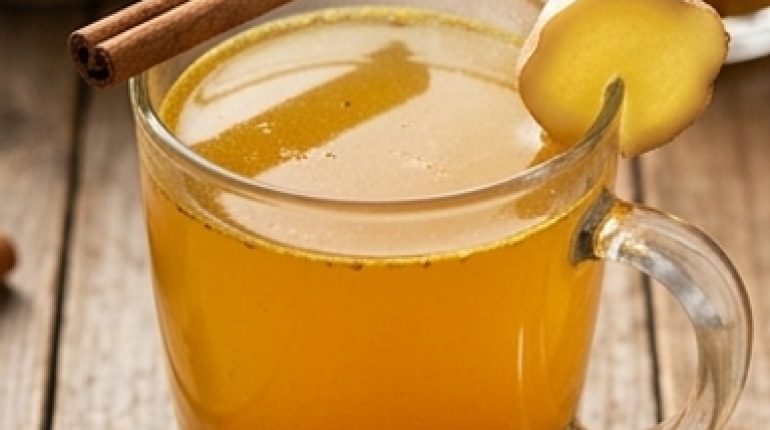
In the cup, the liquid takes on a golden hue like a very light caramel — almost translucent, with fine turmeric particles in suspension that swirl when you stir. The scent mixes the frank heat of ginger with the woody sweetness of cinnamon. The first sip is warm, slightly sharp, with that sweet undertone that honey deposits at the back of the mouth. This tea has character.
Why you’ll love this recipe
Ingredient Notes
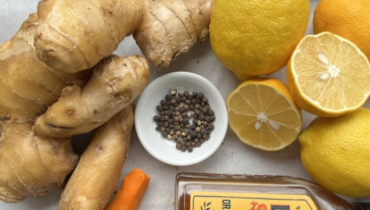
All the vitality tea ingredients: fresh ginger, turmeric, cinnamon, cloves, lemon, and honey.
- Fresh Ginger : This is what gives it character. Fresh is much more vibrant than powder — spicier, more fragrant, with a light lemony note not found in the dried format. Pick a firm piece, with no soft spots or wrinkled skin. No need to peel it if you strain it later.
- Turmeric : Powdered or fresh, both work. Powder is more convenient and gives that beautiful intense golden hue. If you find fresh turmeric — it looks like miniature ginger with thinner skin — the taste is slightly milder and earthier. Warning: it stains absolutely everything it touches.
- Cinnamon : A whole stick is better than powder here. It infuses gently and gives a rounder, less harsh flavor. If you only have powder on hand, half a teaspoon is enough, and strain well.
- Honey : Any liquid honey does the trick. Always add it off the heat — once heated, it loses its qualities and its taste goes completely flat. This is rule number one with honey, and it’s the one everyone ignores.
- Lemon : The juice of half a lemon is exactly what’s needed to cut through the earthiness of the spices and bring liveliness. The same logic as honey: off the heat, otherwise the acidity disappears and only a flat bitterness remains.
Why I never go back to anything but fresh ginger
For a long time, I used powder because it was simpler. Result: a decent tea, but nothing special. The day I took a real piece of fresh root and sliced it — that sharp snap under the knife, that bright and almost peppery scent that rises immediately — I understood the difference. Fresh ginger infuses giving something alive, a warmth that rises gradually in the throat and stays for a long time. Powder gives a flat flavor in comparison. It’s really worth the trip to the produce aisle.
The part everyone messes up: never let it reach a rolling boil
The classic mistake is putting it on high heat and walking away. When water boils violently, the aromas of ginger and cinnamon go into the air instead of staying in your cup. What we want is a simmer — the surface trembling slightly, with a few small bubbles rising lazily, not an agitated boil. At this stage, the water whispers. Let it whisper for ten to fifteen minutes. The color changes from pale yellow to a more pronounced gold, almost amber like light black tea. That’s when you know.
The exact moment to add honey and lemon — and it’s not during cooking
Remove the pot from the heat. Wait two minutes. Only then, add the lemon juice and honey. This is not a trivial detail: at high temperatures, honey degrades and lemon loses its fresh acidity to become bitter. Stir gently, strain through a fine mesh to hold back the ginger pieces and cloves. What remains in your cup is clear, hot, with a light steam rising and a sweet-spicy scent that envelops your hands around the ceramic.
How to adjust it to your liking
There is no single version. If the ginger is too intense for you, reduce it to one centimeter instead of three. If you like the bite, keep the skin on and add a few extra slices. The longer you let it infuse, the more the turmeric takes over — its earthy and slightly bitter taste becomes dominant after twenty minutes. For a milder evening version, use two spoons of honey and remove the ginger after only ten minutes. The tea bends to whatever you need from it.
Tips & Tricks
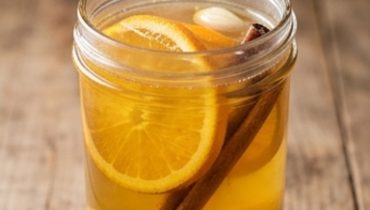
- Make two cups at once and keep the rest cool in a closed jar for up to 48 hours. Reheat gently without boiling — the taste is even a bit more balanced the next day, once the spices have finished blending.
- If you don’t have a strainer, a coffee filter placed over your cup works perfectly. The result is cleaner than with a large-hole strainer, and you don’t have to buy anything.
- The color you get depends on your turmeric: some powders give an almost electric yellow, others a matte and warm gold. Both are normal; it varies according to the origin and freshness of the powder.
Can I use ginger powder instead of fresh?
Yes, but the result is significantly different. Powder gives a flatter and less vibrant flavor. If you don’t have fresh on hand, use ½ teaspoon of powder — no more, otherwise it becomes harsh. Fresh ginger is really preferable for this recipe.
Can I prepare it in advance and store it?
No problem. Prepare a double or triple batch, strain and store in a closed jar in the refrigerator for up to 48 hours. Reheat gently in a saucepan without boiling — the taste is even slightly more balanced the next day, once the spices have had time to mingle.
Why add honey and lemon off the heat?
Heat destroys the lemon’s aromas and degrades the properties of honey — it loses its natural sweetness and the lemon becomes flat, or even slightly bitter. Wait for the tea to cool for two minutes before adding these two ingredients. It’s the detail that really changes the final taste.
How do I know the tea has infused long enough?
Color is the best indicator: it should go from pale yellow to an amber gold, similar to a light black tea. The smell also changes — the ginger becomes more subtle and the cinnamon takes more space. Generally, 12 to 15 minutes of simmering is enough.
Can I replace honey with another sweetener?
Yes. Maple syrup works very well and brings a pleasant slight woody note. Unrefined cane sugar can also do the trick, but dissolve it during the infusion rather than at the end. Avoid artificial sweeteners — they create strange tastes when in contact with spices.
Can you drink it cold?
Absolutely. Let it cool after straining, then refrigerate. Over ice with a bit of sparkling water, it becomes a refreshing drink in summer. In this case, add the honey and lemon just before serving to preserve their freshness.
Ginger-Turmeric Vitality Infusion
International
Hot beverage
A spicy and comforting herbal tea made with fresh ginger, turmeric, cinnamon, and honey. Ready in twenty minutes, it warms up without over-stimulating and easily adapts to all tastes.
Ingredients
- 250 ml water
- 3 cm (approx. 10 g) fresh ginger, sliced into rounds
- 1 tsp (2 g) turmeric powder, or 2 cm grated fresh turmeric
- 1 cinnamon stick
- 2-3 cloves
- ½ lemon (15 ml) fresh lemon juice
- 1 to 2 tsp (10-14 g) liquid honey
Instructions
- 1Pour water into a small saucepan and bring to a simmer over medium heat.
- 2Add ginger slices, turmeric, cinnamon stick, and cloves.
- 3Reduce to low heat and simmer for 12 to 15 minutes. The surface should tremble slightly, without a rolling boil.
- 4Remove from heat and let cool for 2 minutes.
- 5Strain into a cup through a fine mesh sieve or coffee filter.
- 6Add lemon juice and honey, stir, and enjoy hot.
Notes
• Storage: strain and pour into an airtight jar. Keeps for 48 hours in the refrigerator. Reheat gently without boiling.
• Milder evening version: reduce ginger to 1 cm, use 2 teaspoons of honey and remove the ginger after 10 minutes of infusion.
• Absorption tip: add a pinch of freshly ground black pepper — it significantly improves the absorption of turmeric by the body.
Nutrition Facts (per serving, estimated)
| 55 kcalCalories | 0.4gProtein | 13gCarbs | 0.2gFat |