📌 Ginger & Clove Tonic
Posted 10 April 2026 by: Admin
Grandmother’s herbal teas are either a revelation or a total disappointment. This one — ginger and cloves simmered together — keeps its promises. No miracles, no magic: just a decoction that warms you to the core and smells wonderful even before the cup touches the table.
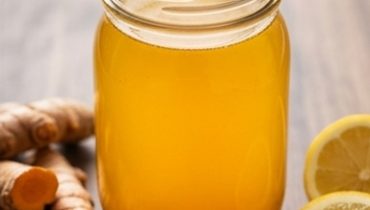
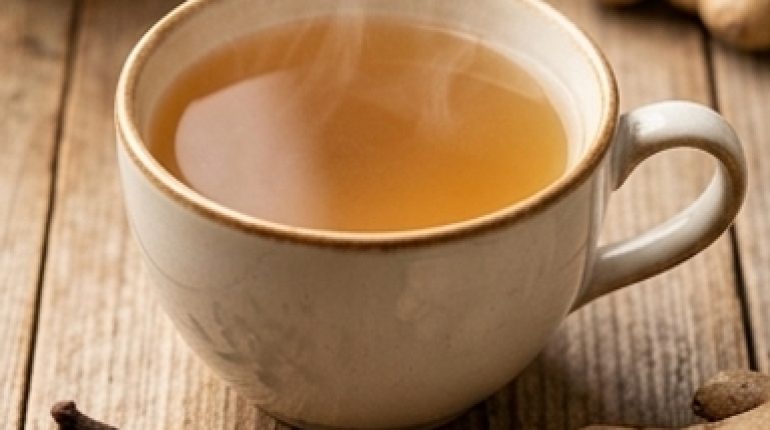
In the cup, it’s dark amber, almost like cognac without the alcohol. The steam rises in fine spirals. The scent hits you before anything else: sharp, spicy, with that sweet-woody note of clove that settles into the whole kitchen. One sip, and it’s instant warmth — not like a coffee that burns your throat, but a heat that descends slowly and stays there.
Why you’ll love this recipe
Ingredient Notes
Fresh ginger, whole cloves, lemon and honey: four simple ingredients for a drink with recognized wellness benefits.
- Fresh ginger : The backbone of this drink. Not the ginger powder from the back of the cupboard — fresh, with its slightly pinkish-beige skin, firm under the fingers. Two to three centimeters are enough for one cup. You can grate it (more power, stronger taste) or slice it thinly (milder, less spicy). Pro tip: keep the rest of the rhizome in the freezer; it can be grated directly while frozen without even thawing it.
- Whole cloves : Five to seven, no more. These little brown-black cylinders found in every grocery store have an incredibly strong smell as soon as they are broken. Whole, they infuse gently without being aggressive. If you really don’t have any, a pinch of cinnamon can work in a pinch — but the result is truly different, less complex.
- Honey : Optional, but honestly recommended. Ginger alone can be a bit sharp. A spoonful of wildflower honey — no need for 18-euro acacia honey — softens the whole thing without overpowering the taste. Add it after straining, when the drink is still hot but no longer boiling.
- Lemon : Half a lemon squeezed at the end really changes the mouthfeel. The acidity cuts through the spicy heat and gives clarity to the whole mix. Fresh zest, meanwhile, brings a floral aroma that no bottled juice can reproduce.
Why I prefer decoction over simple infusion
There is a real difference between pouring boiling water over ginger and simmering spices. Decoction — the slightly technical term for ‘boiling and leaving on low heat’ — extracts many more compounds from fresh ginger. You hear the light simmer of the water, you see the ginger slices slowly soften and lose their pearly white to become almost translucent. It starts smelling strong after five minutes. That’s a good sign. Leave it for another ten minutes on very low heat: the liquid takes on a light caramel color, deeper than a classic herbal tea, and the clove aroma settles in for good.
The part everyone misses: straining at the right time
Straining is where people get lazy. A fine-mesh sieve, not a coffee filter that catches everything. Pour slowly. The liquid comes out clean, translucent, without small bits floating around — and then, you truly see its exact color: warm amber, like a well-brewed strong tea. Now is when we add the honey, while it’s still very hot but no longer boiling. The lemon comes last, just before serving — its acidity is much more vivid when it hasn’t been heated.
Serving this tonic to guests: the detail that changes the impression
A thick ceramic cup, not a plastic mug. Ginger and cloves deserve better than that. Place a slice of fresh ginger or a lemon zest on the rim — not to be fancy, but because it indicates what’s inside and smells good just by bringing the cup close. If you’re hosting in winter, prepare the decoction ten minutes before people arrive. The scent wafting through the entryway does more work than any interior decoration.
Tips & Tricks
- Make a large quantity at once — triple the amounts — and keep the strained tonic in the fridge for up to three days. All you have to do is reheat it in a pot. The smell returns as soon as it’s hot, as if it were freshly prepared.
- If the ginger seems too aggressive at the end of the cup, it’s often because it simmered too long. Fifteen minutes maximum — after that, it becomes biting rather than warming, and the balance disappears.
- For an even more aromatic version, lightly crush the cloves with the flat of a knife before putting them in the water. Just crush, don’t grind into powder — you release the essential oils without fully dissolving them, and the smell in the kitchen is immediately richer.
Can I prepare this tonic in advance and store it?
Yes, no problem. Prepare a large quantity, strain the liquid well, and keep it in the refrigerator in a closed jar for up to 3 days. Simply reheat the desired amount in a saucepan or microwave — the aroma returns immediately. Just avoid adding the lemon in advance, as it loses its zing.
Can I use ground ginger instead of fresh ginger?
Technically yes, but it’s really not as good. Fresh ginger gives a rounded, aromatic heat; ground ginger is more aggressive and can make the tonic cloudy and bitter. If that’s all you have, use half a teaspoon per cup and taste before adding more.
What can I use instead of honey?
Maple syrup works well and brings a slight woody note that goes with the clove. Coconut sugar gives a more caramel-like version. Agave syrup is more neutral. In terms of quantity: one teaspoon is enough to start, then adjust to your taste.
What is the difference between a decoction and a simple infusion?
An infusion is pouring hot water over ingredients and waiting. A decoction is boiling then simmering the ingredients directly in water. For fresh ginger and whole cloves, decoction extracts many more aromatic compounds — the result is more concentrated, more fragrant, and the color is significantly darker.
Exactly how many cloves should I use?
Between 5 and 7 for a cup — that’s the reasonable range. Below 5, you barely taste them. Above 8, the tonic can become medicinal and slightly bitter. If it’s your first time, start with 5 and adjust next time according to your preferences.
Is this tonic suitable for everyone?
For the vast majority of people, yes. However, pregnant women should limit their consumption of ginger in large quantities. People on blood thinners should be careful as ginger has a slight blood-thinning effect. When in doubt, medical advice remains the best course of action.
Ginger & Clove Tonic
World drink
Hot drink
A warm and aromatic decoction made from fresh ginger and cloves, ideal as a comforting daily ritual. Ready in 20 minutes, it perfumes the whole kitchen even before being served.
Ingredients
- 15g (2-3 cm) fresh ginger, sliced or grated
- 5-7 whole cloves
- 250ml (1 cup) water
- 1 tsp honey (optional)
- 1/2 lemon, juiced (optional)
Instructions
- 1Pour the water, sliced ginger, and cloves into a small saucepan.
- 2Bring to a boil over medium heat, then reduce heat and simmer gently for 10 to 15 minutes.
- 3Strain the liquid through a fine-mesh sieve directly into the cup.
- 4Add honey and stir until completely dissolved.
- 5Squeeze the half lemon into the cup, taste and adjust according to preference. Serve hot.
Notes
• Storage: make 3 cups at once (triple the doses) and store the strained tonic in the refrigerator for up to 3 days in a closed jar. Reheat in a saucepan before serving.
• Intensity: for a milder version, slice the ginger thinly without grating it. For a more powerful version, lightly crush the cloves with the flat of a knife before adding them to the water.
• Sugar-free: honey and lemon are entirely optional. The decoction alone, unsweetened, is quite pleasant and very slightly bitter.
Nutrition Facts (per serving, estimated)
| 30 kcalCalories | 0gProtein | 8gCarbs | 0gFat |