πŸ“Œ Ginger and Clove Tea

Posted 15 April 2026 by: Admin #Recipes

Prep Time
5 minutes
Cook Time
10 minutes
Total Time
15 minutes
Servings
2 servings

Have you ever had one of those days where your body craves something warm, simple, and direct? Not a complicated smoothie or a mysterious decoction with eight hard-to-find plants. Just two ingredients that you probably already have in your spice drawer.
Advertisement:
Final result
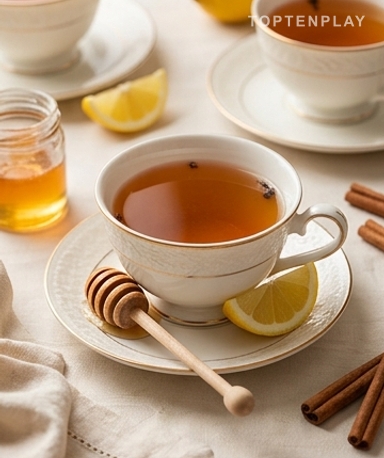
Two steaming cups of ginger-clove tea, served with a drizzle of honey and a lemon slice.

In the cup, the tea takes on a deep amber hue — almost the color of aged caramel. A thin spiral of steam rises. The scent is bold: the ginger tingles the nostrils slightly, and the cloves bring that woody, slightly sweet note associated with commercial chai, but in a rawer form. One sip, and the warmth goes straight down the throat like a hand placed on your shoulders on a cold day.

Why you’ll love this recipe

Two ingredients, that’s it : No need to buy ten different herbs. If you have fresh ginger and cloves in your kitchen, you can make it right now. That is true simplicity.
Ready in under 15 minutes : From slicing the ginger to the first sip, it rarely takes more than a quarter of an hour. Less time than waiting for a capsule coffee while searching for where you put the capsules.
Warming without being overpowering : Unlike some herbal teas overloaded with spices, this one has a real balance. The ginger heats, the clove aromatizes — without one crushing the other.
Adaptable to your mood : Honey if you want it sweet. Lemon if you want it tangy. Nothing if you prefer it raw. The base is clean enough to welcome whatever you feel like adding.

Ingredient Notes

Ingredients

Advertisement:

Fresh ginger, whole cloves, honey, and lemon: four simple ingredients for a drink that feels good.

  • Fresh ginger : This provides the character. Good ginger should be firm to the touch — if it gives or shrivels when pressed, leave it at the bottom of the bin. No need to peel: rinse well, slice into 4 to 5 mm rounds. The skin doesn’t cause any issues with infusion and you make life unnecessarily difficult by removing it.
  • Whole cloves : Whole, not powdered. Powder disperses in the liquid and gives too strong a taste, sometimes frankly acrid. Whole cloves infuse gently and gradually. Four to six cloves is the right range — beyond that, it can turn into a trip to the dentist’s office.
  • Honey : Add it after heating, directly into the cup. At high temperatures, honey loses some of its qualities and its taste changes. A small teaspoon is usually enough — start there before adding more.
  • Lemon : Just a squeeze of juice, not the whole pressed fruit. Half a lemon for two cups, no more. it brings a lightness that contrasts well with the warm-spicy side and prevents the tea from feeling heavy.

Why I never mess up the amount of ginger anymore

The classic trap is under-dosing for fear it will be too spicy. Three thin slices in a liter of water, and you get an insipid tea that tastes vaguely like wet wood. The right amount for two cups: at least five generous rounds. At this dosage, the ginger finally does what it’s supposed to do. It bites the tongue slightly, leaves a lingering warmth after the sip — no aggression, just character. If you want even more punch, let it simmer for two or three extra minutes. The liquid will darken slightly, and the scent will become more intense.

Why I never mess up the amount of ginger anymore
Ginger slices and cloves are added to simmering water, releasing their aromas within the first few seconds.

The part everyone gets wrong: the infusion time

Most people boil the water, throw in ginger and cloves, and serve after two minutes. Result: a lukewarm liquid that smells vaguely of spices but has no depth. Eight to ten minutes of gentle simmering is the minimum. From the seventh minute, the water takes on that characteristic amber color — like light black tea but with orange reflections. The smell changes too: the clove softens, the ginger becomes less aggressive, rounder. That’s when you know it’s ready.

Advertisement:

Hot in the morning or evening — and why it changes everything

There is no bad time for this herbal tea, but two are particularly suitable. In the morning, on an empty stomach — an empty stomach captures aromas differently, and the heat starts things up gently without brutality. In the evening, in a large bowl (not a small cup), with both hands wrapped around it to warm up. You can prepare a larger quantity and keep the rest in a thermos or in the refrigerator until the next day, reheated over low heat without re-boiling.

Hot in the morning or evening — and why it changes everything
The tea simmers gently, allowing the ginger and cloves to infuse all their aromatic compounds into the water.

Tips & Tricks
  • Let it simmer over very low heat, not a full boil — violent boiling makes the aromas evaporate too quickly. You want quiet little bubbles simmering on the surface, not a volcano.
  • If the clove taste seems too pronounced the first time, start with three cloves next time. It’s better to adjust progressively than to end up with something that reminds you of mouthwash.
  • Put the honey directly in the cup, not in the pot — this avoids heating it unnecessarily and everyone can dose according to their own taste.
Close-up
The deep amber color of the tea and the shiny reflection on its surface — a sign that the infusion is ready.
FAQs

Can I use ginger powder instead of fresh ginger?

Advertisement:

It is possible but the result is really different. Powder gives a more acrid and less fresh taste, and it disperses in the liquid without filtering properly. If you have no choice, use a quarter teaspoon for two cups. But fresh ginger remains much preferable here.

How long can this tea be kept?

Up to 24 hours in the refrigerator in an airtight container or a thermos. The taste of clove tends to intensify as it cools, so expect a stronger tea the next day. Reheat over low heat without boiling.

Advertisement:

The clove taste is too strong — how to fix it?

Start by reducing to three cloves next time. In the moment, you can dilute it by adding a little hot water to your cup, or balance it with a squeeze of lemon and a spoonful of honey which attenuate the clove’s dominance.

Can I add other spices?

Advertisement:

Yes, this base works well for that. A small cinnamon stick during simmering brings roundness. Two slightly crushed cardamom pods give a floral note. Avoid vanilla — it completely changes the profile and makes it lean towards dessert.

Do I need to peel the ginger before slicing it?

No, it’s not necessary for an infusion. A good rinse with water is enough. The skin does not alter the taste of the tea and brings nothing unpleasant. It’s a step you can skip without any regret.

Advertisement:
Ginger and Clove Tea

Ginger and Clove Tea

Easy
International
Hot drink
Prep Time
5 minutes
Cook Time
10 minutes
Total Time
15 minutes
Servings
2 servings

An aromatic herbal tea made from fresh ginger and whole cloves, prepared in less than 15 minutes. Warming, simple, and customizable to your mood.

Ingredients

  • 500 ml water
  • 20 g (5 rounds) fresh ginger
  • 5 whole cloves
  • 1 tsp honey (optional)
  • ½ lemon, juice (optional)

Instructions

  1. 1Bring 500 ml of water to a boil in a small saucepan.
  2. 2Add the ginger rounds and the cloves.
  3. 3Reduce heat to minimum and simmer for 8 to 10 minutes at a gentle simmer.
  4. 4Strain the tea into cups using a fine mesh strainer.
  5. 5Add honey and lemon juice to taste, directly in the cup. Serve immediately.

Notes

• Storage: keeps up to 24h in the refrigerator in a closed container. Reheat over low heat without bringing to a boil.

Advertisement:

• Spice dosage: for a milder taste, start with 3 cloves and 3 rounds of ginger, then adjust to your tolerance.

• Winter variation: add a small cinnamon stick and 2 crushed cardamom pods while simmering for a more complex version.

Nutrition Facts (per serving, estimated)

20 kcalCalories 0 gProtein 5 gCarbs 0 gFat

Advertisement:
Share it!

Thanks for your SHARES!

You might like this

Add a comment:

Latest posts

Build-Your-Own Japanese Bowls β€” Tsukurioki Meal Prep

Vegetable Salad and Carrot Tartare, Chef Style

Homemade Rosemary Tea

Cheesy Pizzettes with Mushrooms and Peppers

Tomato Carrot Lemon Juice

Creamy Cancoillotte Risotto with Crispy Smoked Sausage

Walking Taco Casserole

Homemade Hamburger Steaks

Homemade Oven-Baked Chicken Nuggets

Gua Bao with Marinated Chicken and Crunchy Vegetables

Loading...