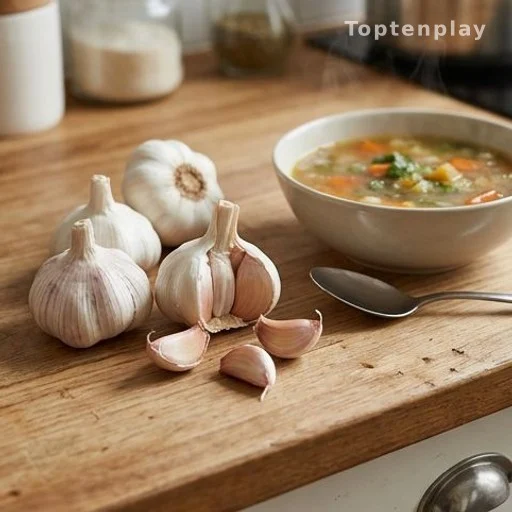
After learning about garlic’s potential health properties, he began incorporating it into his daily meals. His routine reportedly included raw garlic with breakfast, garlic added to soups and vegetables, and garlic used in homemade sauces. Crucially, he also made several other simultaneous changes: reducing processed food intake, improving hydration, and continuing his prescribed medical treatment.
Garlic was therefore one component of a broader overhaul of his habits — a detail that would prove central to how doctors interpreted the results.
What is nephritis?
Nephritis is the medical term for kidney inflammation. It can interfere with the kidneys’ ability to filter waste and excess fluid from the blood. Depending on its cause and severity, treatment typically combines medication, dietary management, and lifestyle changes — making nutrition a genuinely relevant factor in disease management, even if no single food constitutes a treatment.
Follow-up evaluations showed real improvements — with an important caveat
After several months, medical follow-up reportedly showed better blood pressure control, reduced signs of systemic inflammation, improved overall dietary habits, and healthier weight management. These were described as encouraging findings.

Healthcare professionals were nonetheless explicit: the improvements could not be attributed solely to garlic. Better nutrition, reduced processed food consumption, adequate hydration, consistent medical treatment, and broader lifestyle modifications all likely contributed.
This distinction matters. Presenting the outcome as a garlic success story, medical experts suggested, risks obscuring the real drivers of the man’s progress — and could mislead others with similar conditions into replacing professional care with a dietary shortcut.
What research actually says about garlic and kidney function
Garlic’s most studied bioactive compound is allicin, which forms when fresh garlic is crushed or chopped. Researchers have examined it for antioxidant activity, anti-inflammatory effects, blood pressure support, and cholesterol management.
Kidneys are particularly vulnerable to oxidative stress — damage caused by free radicals — and garlic’s antioxidant properties may offer some protective effect. Separately, some studies suggest garlic may contribute to modest reductions in blood pressure in certain individuals, which is relevant because high blood pressure is both a cause and a consequence of kidney disease.
Suggested Posts

The study desk puzzle that tricks your brain into missing the obvious
A study desk with books, pens, and a lamp sounds like the easiest possible setting for a spot-the-difference puzzle. Yet that very familiarity is…