📌 Four-Leaf Herbal Tea: Avocado, Mango, Soursop & Citrus
Posted 5 April 2026 by: Admin
For a long time, I found fresh leaf herbal teas bland and pretentious. A vague taste of wet grass, an uninviting brownish color, and health promises inflated with helium. This combination of four leaves changed my mind—not because of the supposed benefits, but because it is genuinely good.
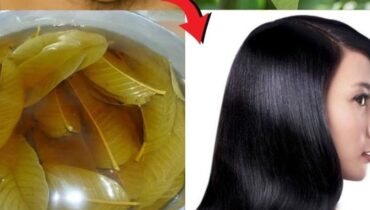
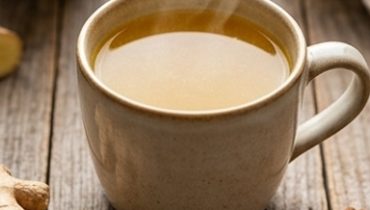
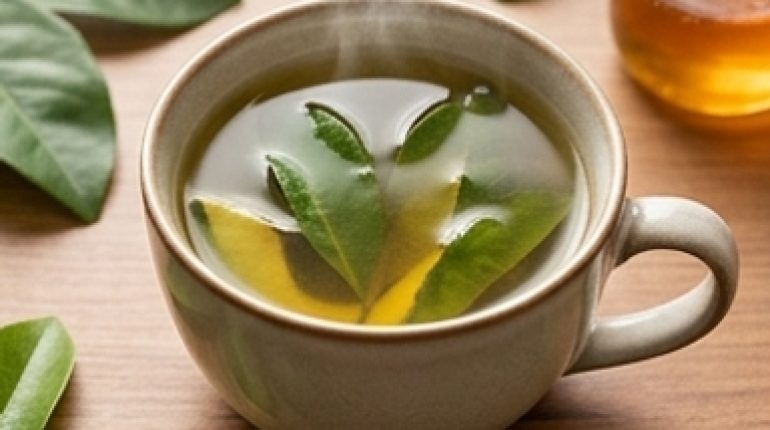
In the cup, the tea takes on a pale golden-green hue, almost the color of a light Japanese green tea. It smells of fresh leaf—herbaceous, slightly earthy—with a lemony undertone that rises when it’s still hot. Holding the cup between your palms, the heat gently spreads to your wrists. One sip, and what strikes you is the lightness: nothing heavy, nothing bitter, just a clean vegetal taste with a hint of citrus at the finish.
Why you’ll love this recipe
Ingredient Notes
Avocado, mango, soursop, and citrus: four leaves with complementary properties combined in a single infusion.
- Avocado leaves : The least known of the four. Look for firm, shiny dark green leaves without brown spots or dried edges. They bring a slightly aniseed and earthy base to the infusion. Dried leaves work as well as fresh ones—sometimes better, as drying concentrates the aromas without weighing them down.
- Mango leaves : Choose young leaves if you have the choice—they are a tender green leaning towards copper when they first sprout, and their taste is mild, slightly sweet, very different from the fruit. You can easily find them in dried bags year-round in Caribbean or African grocery stores.
- Soursop leaves (Corossol) : The star of this tea. The smell when you rub them between your fingers is characteristic: herbaceous, a bit resinous, with a slight green bitterness that almost entirely disappears with gentle cooking. If you can’t find fresh leaves, herbalist bags do the trick perfectly.
- Citrus leaves : Lemon, lime, orange, mandarin—any citrus leaf works. These provide the most immediately recognizable fragrance and the freshness that lightens the whole blend. If you have a lemon tree at home, a few fresh leaves make a noticeable difference.
- Honey : Optional, but highly recommended to soften the taste without masking it. An acacia honey, liquid and discreet, lets the leaf aromas express themselves. Avoid overly strong honeys like buckwheat or rosemary—they would overpower everything else.
Where to find these leaves without searching for hours
This is the least romantic part of the recipe. Avocado, mango, and soursop leaves aren’t found in your usual supermarket. Look toward African, Caribbean, or Asian markets—you’ll be surprised what you find there. Well-stocked herbalists often have all four in dried bags, clean and ready to use. For citrus leaves, an organic market or a neighbor’s garden will suffice. When you find them, buy in bulk: dried leaves keep for several months in an airtight jar away from light, without losing any of their fragrance.
The cooking step everyone rushes too fast
Where many go wrong is the heat setting. Too high, and the leaves release an aggressive bitterness that ruins everything. The right setting is a barely visible simmer—a few bubbles rising lazily, not an active boil. Ten minutes at this pace, and the water gradually takes on that cloudy gold-green hue similar to a long-steeped green tea. Then, turn off the heat. The five-minute rest in the still-hot water is as important as the cooking itself: this is when the most delicate aromas are released, those that direct heat would have scorched.
Why the filter and the cup matter more than you think
Strain the tea through a fine sieve or a tea filter—not a coffee filter, which retains too much matter. In the cup, the filtered liquid is clear, a beautiful light amber with green highlights depending on the light angle. This is when the scent truly rises: herbaceous, slightly lemony, with that characteristic earthy base of soursop leaves. If you add honey, wait until the tea has cooled slightly—just enough not to burn your tongue. The spoonful of honey dissolves in seconds in the warm liquid, and the smell changes immediately, becoming softer and rounder.
The time of day that makes all the difference
Cold or lukewarm, this tea loses much of its appeal. It should be drunk hot, with both hands around the cup, without rushing. In the morning on an empty stomach, it’s a quiet moment before the day truly starts. In the evening, it’s the opposite: something warm that signals to your body it’s okay to exhale. The recommended regimen is about ten to fifteen consecutive days, followed by a one-week break. Not because it’s dangerous—but because a ritual that returns after an absence is always more pleasant than a daily automatism.
Tips & Tricks
- Never boil vigorously—a gentle simmer is enough. A hard boil extracts bitter tannins from the leaves and turns a pleasant tea into something hard to finish.
- The five-minute rest off the heat is not optional. It is during this phase that the most volatile aromas diffuse gently without being destroyed by direct heat.
- If you prepare a large quantity in advance, keep it in a glass bottle in the refrigerator for up to 48 hours. Reheat in a saucepan over very low heat—the microwave destroys the delicate aromas in seconds.
Where can I find avocado, mango, soursop, and citrus leaves?
African, Caribbean, and Asian markets are the best options for fresh or dried leaves. Well-stocked herbalists often offer them in bags. For citrus leaves, an organic market or a neighbor’s lemon tree is more than enough.
Can I use dried leaves instead of fresh leaves?
Yes, no problem. Dried leaves work just as well, sometimes better, as drying concentrates the aromas. Use the same quantity in terms of number of leaves—no need to reduce or increase the dosage.
How long does the prepared tea keep?
In the refrigerator in an airtight glass bottle, it keeps for up to 48 hours. Always reheat over very low heat in a pot—the microwave degrades the delicate aromas in seconds.
Can I drink this tea every day indefinitely?
A course of 10 to 15 consecutive days followed by a one-week break is the most reasonable way to proceed. This rhythm prevents habituation and allows you to appreciate the tea’s return. Pregnant or breastfeeding women and people under medical treatment should consult their doctor first.
Can I replace the honey with something else?
Honey is entirely optional. If you want to sweeten without honey, a bit of agave syrup or maple syrup works well. A half-slice of fresh lemon in the cup also gives a great result without any sweetener.
Can I mix other leaves or herbs into this infusion?
Yes, in moderation. A sprig of fresh mint added off the heat after cooking integrates well without distorting the flavor profile. Avoid ginger or cinnamon, which easily dominate and crush the four basic leaves.
Four-Leaf Herbal Tea: Avocado, Mango, Soursop & Citrus
Caribbean / African
Hot beverage
A traditional, mild, and vegetal infusion based on four complementary leaves. Light, aromatic, ideal in the morning on an empty stomach or in the evening before bed.
Ingredients
- 5 avocado leaves (fresh or dried)
- 5 mango leaves (fresh or dried)
- 5 soursop leaves (fresh or dried)
- 5 citrus leaves (lemon, lime, or orange)
- 1 litre water
- 1 teaspoon acacia honey (optional)
Instructions
- 1Rinse all the leaves thoroughly under cold water and drain them.
- 2Bring 1 litre of water to a boil in a saucepan.
- 3Add the four types of leaves, immediately lower to low heat and let simmer for 10 minutes.
- 4Turn off the heat and let infuse covered for another 5 minutes.
- 5Strain the tea through a fine sieve or tea filter and pour into cups.
- 6Add a teaspoon of honey if desired, once the tea has cooled slightly.
Notes
• Storage: pour the rest into an airtight glass bottle, keep in the refrigerator for up to 48 hours. Reheat over very low heat in a pot.
• Recommended course: 1 cup in the morning on an empty stomach + 1 cup in the evening, for 10 to 15 consecutive days, followed by a one-week break.
• Dried leaves: they replace fresh ones perfectly in the same quantity. They keep for several months in an airtight jar away from light.
Nutrition Facts (per serving, estimated)
| 15 kcalCalories | 0gProtein | 4gCarbs | 0gFat |