US-Mexico Tomato Trade War: A 30-Year Agreement Crumbles
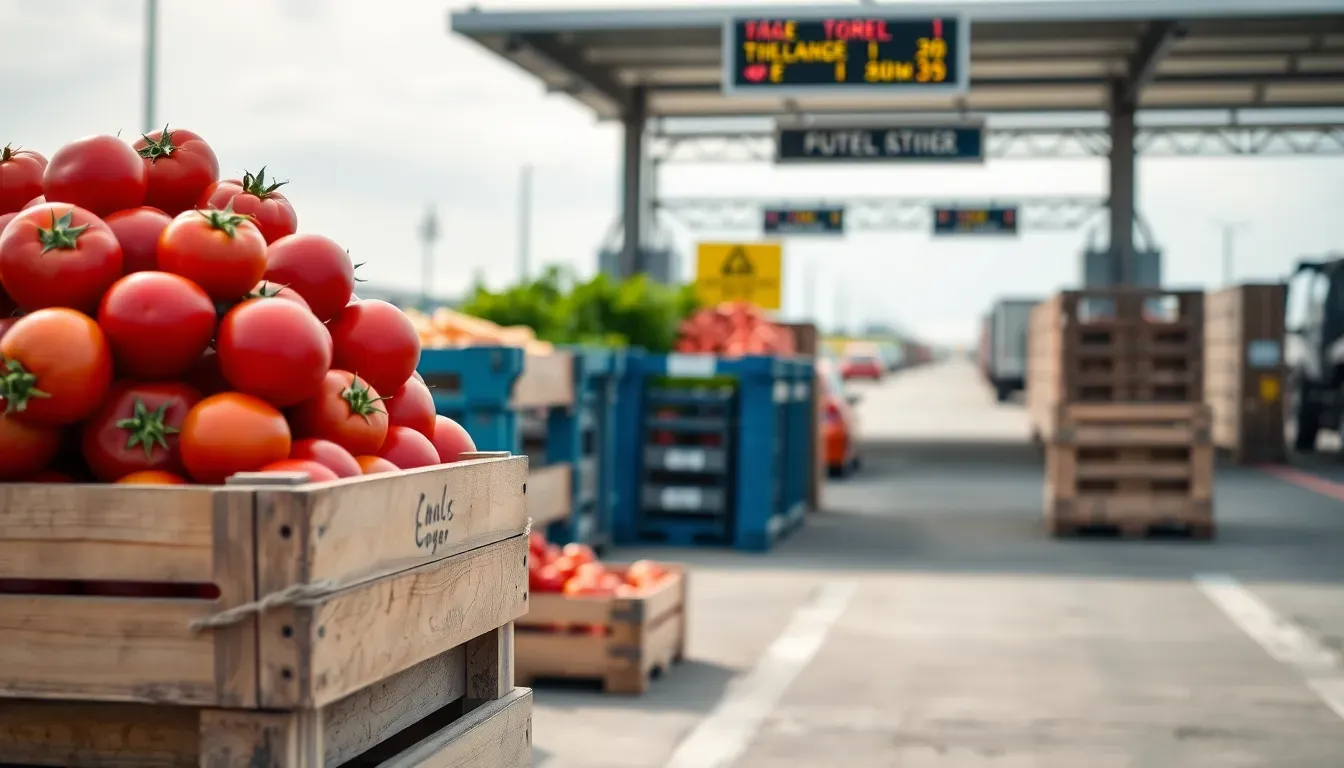
After nearly three decades of uneasy cooperation, the US-Mexico tomato trade relationship stands on the brink of collapse. On July 14, the Tomato Suspension Agreement that has governed cross-border tomato commerce since 1996 faces termination, triggering automatic 20.9% tariffs on most Mexican tomato imports.
The Commerce Department’s dramatic withdrawal in April sent shockwaves through the agricultural sector. Officials cited the agreement’s fundamental failure to shield American growers from what they characterize as systematic unfair pricing practices. The decision marks the end of a trade framework that essentially set minimum price floors for tomato imports.
Robert Guenther, executive vice president of the Florida Tomato Exchange, delivered a scathing assessment of the failed partnership. « For more than three decades, five consecutive agreements have failed to stop the illegal dumping of unfairly priced tomatoes into the U.S. market from Mexican producers, » he told CNN. This accusation of “dumping” – selling exports below fair market value to undercut domestic competition – forms the cornerstone of American growers’ grievances.
The tariff implementation represents President Trump’s latest trade disruption, adding fresh uncertainty to global agricultural markets. Mexican producers, who have supplied American consumers with affordable tomatoes for decades, now face a potential pricing crisis that could reshape North American food supply chains.
The stakes extend far beyond farm gates, threatening to impact every American who buys tomatoes.

Small Business Owners Face Financial Ruin As Costs Skyrocket
For entrepreneurs like Teresa Razo, those threatened Americans include herself. The owner of two Argentine-Italian restaurants in Southern California delivered a chilling prediction about her business survival. « I give it three months, and then we go bankrupt, » Razo said, calculating the devastating impact of higher tomato costs on her operations.
Her restaurants, Villa Roma in Laguna Hills and Cambalache Grill in Fountain Valley, depend heavily on tomatoes for salads, marinara sauce, pizzas, and pasta dishes. The looming tariffs represent an existential threat to her carefully balanced profit margins.
The ripple effects extend beyond individual businesses to consumer behavior. Razo anticipates a dramatic shift in dining patterns as restaurants pass increased costs to customers. « Somebody that would dine out three times a week, maybe now they’ll do it once or twice because we have to increase our prices, » she explained.
The uncertainty has taken a psychological toll on business owners already struggling with economic pressures. Razo admitted she’s stopped following daily news updates for her mental health, describing the tariffs as creating « instability » and « fear. » Her wait-and-see approach reflects the broader anxiety gripping the restaurant industry.
With often last-minute changes to tariff implementation throughout the year, small business owners face an impossible planning challenge. « We don’t need more of that, » Razo said. « We already have enough. »
The human cost of trade wars has found its voice in America’s kitchens.
Consumer Impact: 10% Price Surge Expected At Grocery Stores
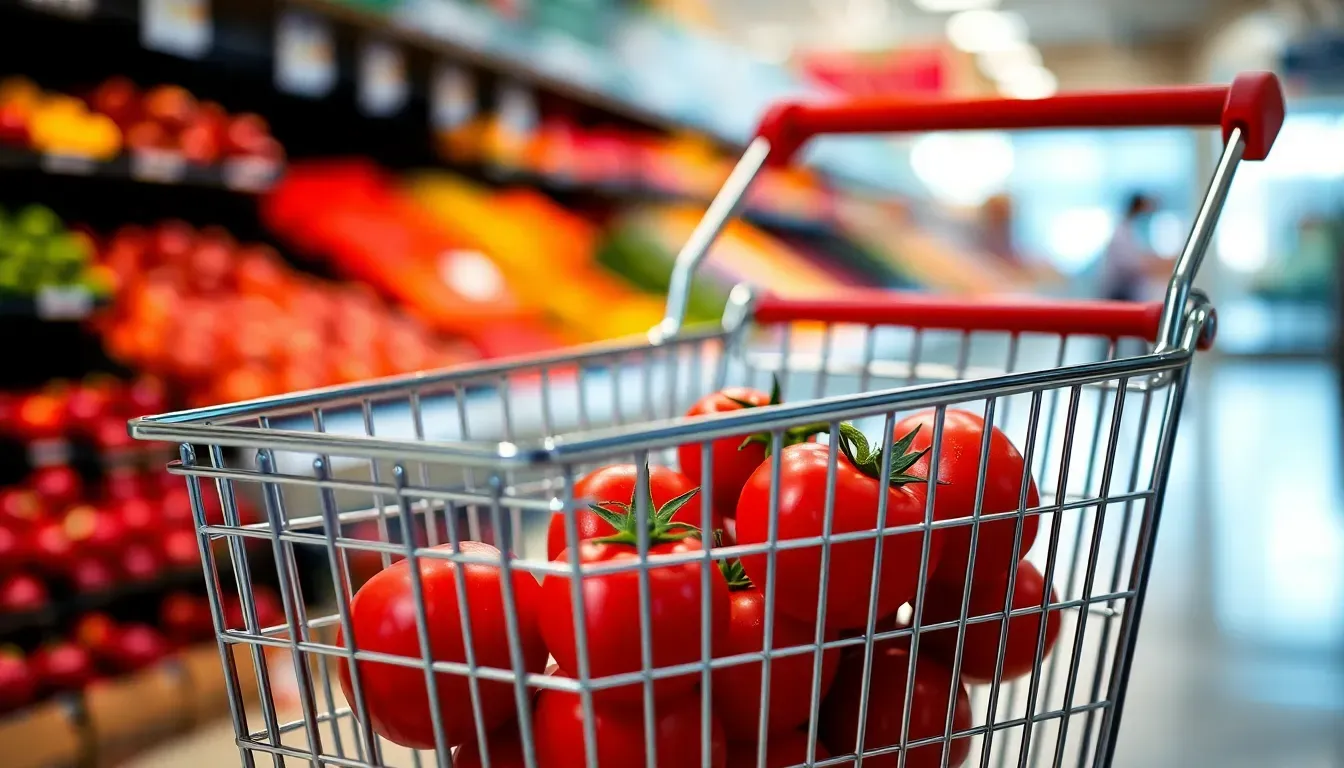
These kitchen struggles will soon reach American consumers directly. Field-grown tomatoes currently cost US shoppers about $0.70 per pound, but that baseline price is about to shift dramatically upward.
Timothy Richards, a professor of agribusiness at Arizona State University, projects consumer tomato prices could rise by approximately 10% once the tariffs take effect. The ripple effects won’t stop at higher prices—demand may fall by 5% as shoppers adjust their purchasing behavior to cope with increased costs.
The impact extends far beyond grocery store produce aisles. Pizza parlors nationwide will face difficult choices between absorbing costs or passing them to customers. Restaurants serving Italian cuisine, Mexican food, and countless other tomato-dependent dishes must recalculate their entire pricing structures.
The United States serves as the top market for Mexican tomato exports, making this disruption particularly significant for American consumers. The June report from the US Department of Agriculture confirmed these fears, finding that the new tariffs would likely trigger both reduced imports and higher prices across the board.
For millions of American families, the 10% price increase represents more than statistics—it means tighter grocery budgets and difficult choices at checkout. The economic mathematics are simple: what costs consumers $7 for 10 pounds of tomatoes today will jump to $7.70 tomorrow.
The trade war’s casualties now include every American who opens a refrigerator door.

Industry Divided: US Growers Vs Mexican Producers In Heated Dispute
Behind this consumer crisis lies a bitter industry feud that has split producers across borders. The Florida Tomato Exchange stands firmly behind the tariffs, viewing them as overdue protection against unfair competition.
Robert Guenther, executive vice president of the Florida Tomato Exchange, delivers a scathing assessment: “For more than three decades, five consecutive agreements have failed to stop the illegal dumping of unfairly priced tomatoes into the U.S. market from Mexican producers.” His organization argues that American farmers have suffered under what they consider predatory pricing practices.
The accusation strikes at the heart of international trade law—that Mexican producers have been systematically undercutting American prices through illegal dumping practices. Guenther maintains that domestic growers possess the technological capabilities and geographic diversity to supply American consumers year-round without Mexican imports.
But Mexican producers fire back with equal intensity. Walberto Solorio, a Mexican tomato grower and president of the Baja California Agricultural Council representing over 120 producers, dismisses the American claims entirely. “I see it as more of a political issue than a commercial one, not logic or numbers,” Solorio counters, suggesting the tariff push stems from political motivations rather than legitimate trade concerns.
Solorio insists his industry has maintained strict compliance with trade regulations. Mexican imports undergo thorough quarterly audits, and producers have consistently met minimum reference prices and border quality inspections. He argues that small violations by individual producers shouldn’t justify destroying an entire three-decade agreement.
The battle lines are drawn: American growers seeking protection versus Mexican producers defending their market access.